
Many buyers trying to simplify their lifestyle hit the same wall: everything starts to look similar. Condos promise low maintenance. Townhomes offer space. Then someone asks what is a patio home, and suddenly the decision gets confusing.
The reality is, choosing the wrong property type can quietly cost you time, money, and flexibility over the next decade. That’s why understanding what is a patio home isn’t just about definitions—it’s about knowing how it fits your daily life, your budget, and your long-term plans.
Table of Contents
ToggleWhat Is a Patio Home?

A patio home is a type of residential property designed for low-maintenance living, typically built on a smaller lot with proximity to neighboring homes. Unlike traditional houses, these homes prioritize simplicity, accessibility, and outdoor usability rather than large yards or expansive land.
If you’re wondering about the patio home meaning, think of it this way:
- You own the home itself
- You often own a small portion of land
- Maintenance responsibilities may be shared through an HOA
- The design focuses on easy living and outdoor comfort
Most patio homes are single-level living homes, which makes them especially attractive for retirees, busy professionals, or anyone looking to avoid stairs and extensive upkeep.
Another common way to describe what is a patio house is:
A compact, efficient home with private outdoor space but minimal exterior maintenance.
Patio Home Meaning vs Other Property Types
Understanding how patio homes compare to other housing options is where most buyers gain clarity.
What Is a Patio Home vs Townhomes

When comparing patio homes vs townhomes, the biggest difference comes down to structure and ownership.
- Patio homes are usually detached or semi-detached
- Townhomes share walls with neighbors on one or both sides
- Patio homes often include a small private yard
- Townhomes may have less outdoor privacy
Townhomes can feel more urban and compact, while patio homes offer a slightly more independent feel without the burden of full property maintenance.
What Is a Patio Home Compared to a Condo

The comparison between a patio home vs condo often confuses first-time buyers.
Here’s the key distinction:
- Condo owners typically do not own the land
- Patio homeowners usually own both the home and a portion of land
- Condos rely heavily on shared spaces
- Patio homes offer more personal outdoor areas
If you want a bit more autonomy but still want low-maintenance homes, patio homes strike a better balance.
Patio Homes vs Single-Family Homes
Traditional single-family homes provide space and independence—but at a cost.
- Larger lots = more maintenance
- Higher upkeep expenses
- More time spent on yard work
Patio homes reduce these responsibilities significantly. You still get privacy, but without the constant demands of maintaining a full-sized property.
Key Features of Patio Homes

Patio homes aren’t just smaller houses—they’re intentionally designed for a specific lifestyle.
Here’s what you’ll typically find:
- Compact layouts with efficient use of space
- Single-level design for accessibility
- Attached garages or small driveways are common features, and understanding asphalt vs. concrete driveways can help buyers choose a surface that fits both their budget and maintenance preferences.
- Private patios or small yards
- Proximity to neighbors, but with separation
Many developments also include shared amenities such as walking paths, community centers, or landscaping services.
Who Should Consider a Patio Home

Patio homes are not for everyone—but for the right buyer, they’re a perfect fit.
They work especially well for:
- Retirees who want to downsize without giving up ownership
- Busy professionals who don’t want weekend maintenance
- First-time buyers looking for affordability with ownership
- Small families needing manageable space
- Investors targeting stable, low-maintenance rentals
If your priority is simplicity, flexibility, and reduced upkeep, patio homes align well with that goal.
HOA and Maintenance Responsibilities

Most HOA patio homes come with shared maintenance agreements, which help answer what a patio home is in practical terms, but it is both a benefit and something to evaluate carefully.
Typical HOA responsibilities include:
- Lawn care and landscaping
- Exterior maintenance (in some communities)
- Roof repairs (varies by development)
- Community amenities upkeep
However, not all HOAs are the same. Some cover extensive maintenance, while others only handle common areas.
Before buying, always check:
- Monthly HOA fees
- What’s included vs excluded
- Rules regarding property changes
- Long-term reserve funds
Before buying, always check what HOA fees cover, including landscaping, exterior maintenance, amenities, and any services that remain the homeowner’s responsibility.
This is where many buyers make mistakes—assuming all maintenance is covered when it’s not.
Costs of Owning a Patio Home

Understanding the full cost picture helps you avoid surprises.
Purchase Price Ranges
Patio homes are generally more affordable than traditional houses, but pricing varies by location. Buyers looking for value often compare them with homes for sale under $400K in growing suburban and smaller metropolitan markets.
Typical ranges:
- Smaller markets: $180,000 – $350,000
- Mid-range cities: $300,000 – $500,000
- High-demand areas: $450,000 – $800,000+
You’re paying for convenience and location, not land size. Buyers relocating to the cheapest city to live in Florida often find patio homes to be an affordable alternative to larger single-family properties.
HOA Fees and What They Cover
HOA fees usually range from:
- $100 to $400 per month
Higher-end communities may charge more, especially if they include:
- Clubhouses
- Pools
- Security services
- Full exterior maintenance
Always compare HOA costs against what you’d spend maintaining a traditional home.
Maintenance Cost Comparison
One of the biggest advantages of patio homes is reduced maintenance expenses, which is why many buyers comparing low-maintenance housing options also look at similar budget-friendly properties, such as homes for sale under 400k in suburban areas.
Typical annual costs:
- Patio home: $1,000 – $3,000
- Single-family home: $3,000 – $8,000+
The difference comes from:
- Smaller outdoor areas
- Shared maintenance responsibilities
- Simpler home systems
Over 10 years, that gap becomes significant.
Benefits of Patio Homes

Patio homes are gaining popularity for a reason—they solve real lifestyle problems.
Key benefits include:
- Lower maintenance workload
- Reduced long-term costs
- Accessible design (ideal for aging)
- More predictable expenses
- Better balance of privacy and community
They’re especially appealing if you value time over space, particularly in some of the cheapest places to live in Florida and Texas, where lower housing costs make downsizing even more attractive.
Another underrated benefit: less mental load. Managing a large home can feel like a constant project. Patio homes remove that burden.
Limitations and Things to Watch Out For
No property type is perfect. Patio homes come with trade-offs.
Important considerations:
- Limited outdoor space
- HOA restrictions on modifications
- Closer proximity to neighbors
- Resale value depends on location and HOA quality
Some buyers also find that the lack of yard space becomes a downside over time.
The key is knowing your priorities upfront when deciding what a patio home is and whether it fits your lifestyle. If you love gardening or large outdoor gatherings, this may not be the best fit.
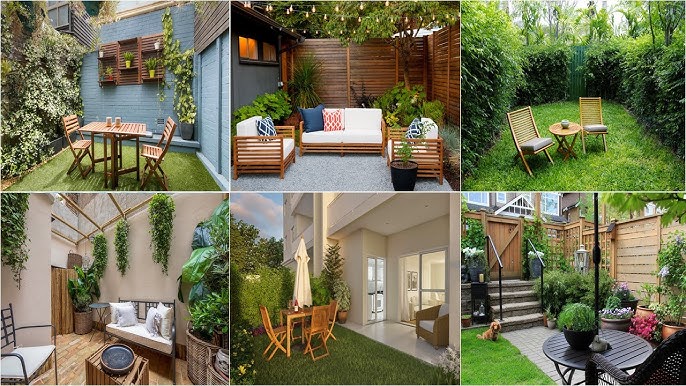
Outdoor Living Space Design in Patio Homes

One of the most attractive aspects of understanding what is a patio home is how these properties maximize small outdoor areas.
Good outdoor living space design focuses on:
- Multi-functional furniture
- Vertical gardening
- Defined seating zones
- Compact fire pits or grills
- Shade structures like pergolas can be paired with porch screening to create a more functional outdoor living area while maintaining airflow and comfort.
Even a small patio can feel spacious when designed properly, and adding screen enclosures can make the space more comfortable by reducing insects and improving year-round usability.
For example:
- A 10×12 ft patio can comfortably fit seating for 4–6 people
- Adding lighting and plants can completely change the atmosphere
- Built-in benches save space while adding storage
The goal isn’t size—it’s usability. If you eventually need more functionality, adding a bathroom may provide more value than moving to a larger home.
Tips for Buying the Right Patio Home

Buying a patio home requires a slightly different approach than buying a traditional house, and using a walk-through home checklist can help you identify maintenance issues, HOA-related concerns, and potential repair costs before closing.
Here are practical tips:
1. Evaluate the HOA carefully
Don’t just look at fees—understand coverage.
2. Check future development plans
Nearby construction can affect privacy and value.
3. Inspect shared walls or proximity
Noise and privacy matter more in compact communities.
4. Compare resale trends
Look at how similar homes perform in the area.
5. Think long-term
Will this home still fit your needs in 5–10 years? Understanding potential home addition costs can help you decide whether expanding later is more practical than relocating again.
Small decisions here can have a big impact later.
FAQ
Are patio homes a good investment, and what is a patio home?
Yes, especially in areas with aging populations or demand for low-maintenance housing. They tend to have stable resale value when located in well-managed communities.
Do patio homes have HOAs?
Most do. HOA involvement is common because shared maintenance is part of the appeal.
Is a patio home the same as a condo?
No. Condos usually involve shared ownership of common areas and no land ownership, while patio homes typically include ownership of both the structure and some land.
Are patio homes cheaper than regular houses, and what is a patio home in terms of cost comparison?
Often, yes. Purchase prices and maintenance costs are generally lower, but HOA fees should be factored into the total cost.
Who maintains the yard in a patio home?
It depends on the HOA. In many cases, landscaping is included, but some communities require partial owner responsibility.
Conclusion
Choosing the right home isn’t about finding the biggest space—it’s about finding the right balance. Understanding what is a patio home helps you see where it fits between condos, townhomes, and traditional houses. It offers a middle ground: ownership with simplicity, privacy with lower responsibility, and comfort without constant upkeep.
If your goal is to reduce maintenance, simplify your lifestyle, and still retain control over your property, patio homes are worth serious consideration.
Before making a decision:
- Compare HOA structures
- Evaluate long-term costs
- Match the property to your lifestyle
The right choice isn’t the one with the most features—it’s the one that makes everyday living easier.