Anyone learning how to construct a tiny house quickly realizes it involves more than just building a small structure. A young couple buys a small rural lot for $18,000, hoping to build their first home. They want something affordable, simple, and efficient. Instead of building a traditional 2,000-square-foot house, they decided on a 350-square-foot tiny home. The plan sounds straightforward at first, but they quickly realize there are dozens of decisions involved: zoning laws, foundation choices, structural framing, insulation, utilities, and permits.
Many people searching for how to construct a tiny house imagine a quick DIY project. While basic DIY home repairs can build useful skills, constructing an entire home requires much more planning and technical knowledge. In reality, even small homes require careful planning and structural design. A well-built tiny home must still handle wind loads, support roof weight, resist moisture, and meet safety standards.
This guide explains the full process of building a tiny house, including land planning, structural design, construction steps, and the factors that determine what makes a house stand safely for decades.
What Is A Tiny House And Why People Build Them

A tiny house is generally defined as a residential structure under 400 square feet of living space. Some models are even smaller, ranging from 150 to 300 square feet.
People build tiny homes for several reasons:
- Lower construction costs
- Reduced property taxes
- Simpler living
- Lower energy consumption
- Ability to build on smaller lots
People build tiny homes for several reasons because they are one of the most popular affordable housing alternatives for buyers who want to reduce overall housing costs.
In many cases, building a tiny home costs far less than a traditional house. While the national average cost of a new home in the U.S. can exceed $400,000, a tiny home may cost between $25,000 and $120,000, depending on materials and labor.
Some builders also start with a house with a shed structure or convert a prefabricated shed into a small living space. These builds can be simpler and cheaper, but still require structural upgrades to meet housing standards.
How To Build A Tiny House

Before construction begins, careful planning is essential. The process starts with understanding how to construct a tiny house safely and legally. It also begins with buying land for a tiny house that meets local zoning requirements and provides access to essential utilities.
Choosing a Size and Layout
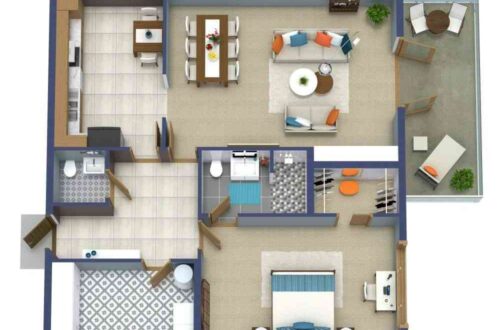
Choosing the right house blueprints is one of the most important steps because an efficient floor plan makes every square foot more functional.
Tiny homes rely on efficient design. Every square foot matters.
Common features include:
- Loft sleeping areas
- Combined kitchen and living spaces
- Built-in storage
- Multipurpose furniture
A typical layout for a 320-square-foot tiny house might include:
- 150 sq ft living area
- 80 sq ft kitchen
- 50 sq ft bathroom
- 40 sq ft loft sleeping area
Efficient layout planning reduces construction costs and improves livability.
Choosing a Build Type
Tiny homes are typically built in two ways:
- Foundation-built homes
- Trailer-based homes
Foundation homes are permanent structures and usually follow local building codes. Trailer homes are technically classified as RV-style structures and can sometimes avoid certain zoning restrictions.
Land, Zoning, And Permit Considerations

One of the biggest obstacles for tiny home builders involves local zoning laws. Many cities require minimum home sizes. Some municipalities mandate houses be at least 800–1,000 square feet. Before starting construction, always check local zoning laws and review US residential building codes such as the International Residential Code (IRC) provided by the International Code Council (ICC), along with housing guidelines from the U.S. Department of Housing and Urban Development (HUD):
- Zoning regulations
- Minimum square footage rules
- Accessory dwelling unit (ADU) regulations
- Setback requirements
Rural vs Suburban Zoning
Tiny homes are easier to build in rural areas.
For example:
A buyer might purchase a $15,000 rural lot and spend another $6,000–$10,000 installing utilities before building a small home.
Suburban neighborhoods often have stricter rules, especially regarding lot size and building permits.
Permit Costs
Permits for small homes typically cost:
- Building permits: $500–$2,000
- Electrical permits: $100–$300
- Plumbing permits: $100–$400
Permits ensure the home meets structural and safety requirements.
Step-By-Step Process Of How To Construct A Tiny House

Understanding how to construct a tiny house requires breaking the project into clear stages.
Step 1: Preparing the Site
Site preparation includes:
- Clearing vegetation
- Leveling the ground
- Marking foundation boundaries
Site preparation costs typically range from $1,000–$4,000 depending on terrain.
Step 2: Building the Foundation
Foundation types include:
- Concrete slab
- Pier foundation
- Trailer base
A concrete slab foundation may cost $5–$10 per square foot.
For a 350-square-foot home, the foundation may cost $2,000–$3,500.
Step 3: Framing the Structure
Framing is the skeleton of the house.
Common framing materials include:
- Dimensional lumber
- Engineered lumber
- Steel framing components
This stage determines what makes a house structurally sound.
Proper framing distributes weight from the roof through the walls to the foundation.
Step 4: Installing Roofing and Exterior Walls
Roof structures must handle environmental loads.
Snow loads in northern states may require stronger framing than roofs in warm climates.
Roofing materials may include:
- Metal panels
- Asphalt shingles
- Composite roofing
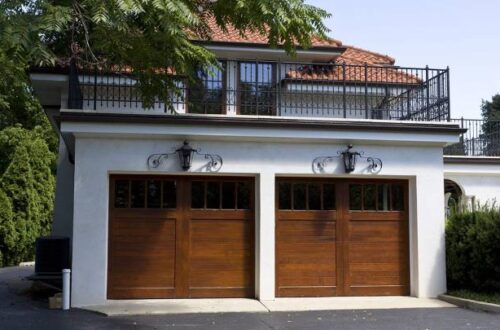
If you’re also building outdoor structures like garages or decks, selecting durable materials is equally important.
Metal roofs are popular for tiny homes because they are lightweight and durable.
Step 5: Electrical, Plumbing, and Insulation
Utility installation includes electrical wiring, plumbing, and insulation, which are also major expenses when finishing interior spaces in larger homes.
A small home may cost $3,000–$8,000 for these systems, with bathroom plumbing costs often accounting for a significant portion of the overall budget.
Insulation is especially important because tiny homes have less thermal mass than larger houses.
Foundations, Framing, And Structural Strength

Many new builders underestimate the importance of structural design.
Understanding what makes a house stand involves several engineering principles.
Load Distribution
Buildings must support several types of loads:
- Dead load – weight of the structure itself
- Live load – people and furniture
- Environmental load – wind, snow, and seismic forces
Proper framing safely transfers these loads to the foundation.
Wind Resistance
Tiny homes often have taller rooflines relative to their size.
Strong wind gusts can create significant pressure on walls and roofs.
Builders often reinforce corners using:
- Metal brackets
- Hurricane ties
- Structural sheathing
These components strengthen the frame and help maintain stability.
Materials That Make A House Strong And Durable

Material selection plays a major role in durability.
Engineered Lumber
Engineered wood products, such as laminated beams, provide greater strength than traditional lumber.
They are often used in tiny homes to maximize structural efficiency.
Steel Reinforcement
Some tiny homes include steel framing components.
These materials resist warping and provide additional structural support.
High-Quality Fasteners
Screws and structural bolts are often stronger than traditional nails.
Builders sometimes use structural screws to improve frame rigidity.
These choices contribute to what makes a house stand safely during storms or earthquakes.
Cost Breakdown Of Building A Tiny House

Construction costs vary widely depending on materials and labor. Planning a realistic construction budget helps avoid unexpected expenses, whether you’re building a tiny house or expanding an existing home.
Typical cost ranges include:
- Foundation: $2,000–$4,000
- Framing materials: $5,000–$12,000
- Roofing: $2,000–$5,000
- Lumbing and electrical: $3,000–$8,000
- Insulation and drywall: $2,000–$6,000
A DIY build might cost $30,000–$60,000; however, professionally built tiny homes may exceed $100,000.
Moreover, understanding these expenses helps builders estimate the cost of constructing a tiny house realistically, especially when comparing the cost per square foot to build a house.
Converting A Shed Into A Livable Tiny Home

Many people begin tiny house projects by converting a house with a shed structure.
Sheds provide a prebuilt shell, reducing construction time.
Shed Conversion Costs
A prefabricated shed may cost:
- $4,000–$10,000 depending on size
Converting it into a livable home requires additional upgrades, such as:
- Insulation
- Electrical wiring
- Plumbing
- Windows and doors
However, a finished shed conversion may cost $30,000–$60,000, depending on features.
Structural Considerations
When converting a house with a shed, structural reinforcement may be necessary.
Builders often strengthen:
- Floor joists
- Wall studs
- Roof framing
These upgrades ensure the structure meets residential safety standards.
Common Mistakes When Building Small Homes

First-time builders often encounter several common problems.
Ignoring Zoning Rules
Building without checking local laws may lead to fines or forced removal.
Underestimating Utility Costs
Installing septic systems, wells, and electrical connections can cost $5,000–$15,000.
Poor Insulation
Tiny homes heat and cool quickly.
Without proper insulation, energy costs may increase significantly.
Weak Structural Framing
Poor framing can compromise what makes a house stand during severe weather.
Structural integrity should always be prioritized because quality framing and foundation work are major capital improvements that protect both safety and long-term property value.
Frequently Asked Questions
How much does it cost to build a tiny house, and how to construct a tiny house?
Typically, most tiny homes cost between $25,000 and $120,000, depending on materials and labor.
Can you legally live in a tiny house everywhere?
No, in fact, many cities have zoning rules requiring minimum home sizes.
Are shed homes safe and durable?
A properly reinforced house with a shed conversion can be safe and durable if built to residential standards.
What foundation is best for tiny homes?
Common foundations include, for example, concrete slabs, pier foundations, and trailer bases.
How long does it take to build a tiny house?
A DIY build may take 3–6 months, while professional builders may complete a tiny home in 6–10 weeks.
Do tiny houses increase property value?
In some areas, they can increase value, especially when used as accessory dwelling units or rental properties.
Conclusion
Learning how to construct a tiny house involves more than simply building a small structure. Successful tiny home construction requires careful planning, proper permits, structural design, and thoughtful material selection.
To begin with, understanding zoning rules, choosing the right foundation, and selecting strong framing materials all contribute to what makes a house stand safely over time. For those just starting, beginners considering a tiny home project should focus on preparation. In addition, by researching regulations, estimating realistic costs, and prioritizing structural strength, builders can create a durable and comfortable small home that lasts for decades.