
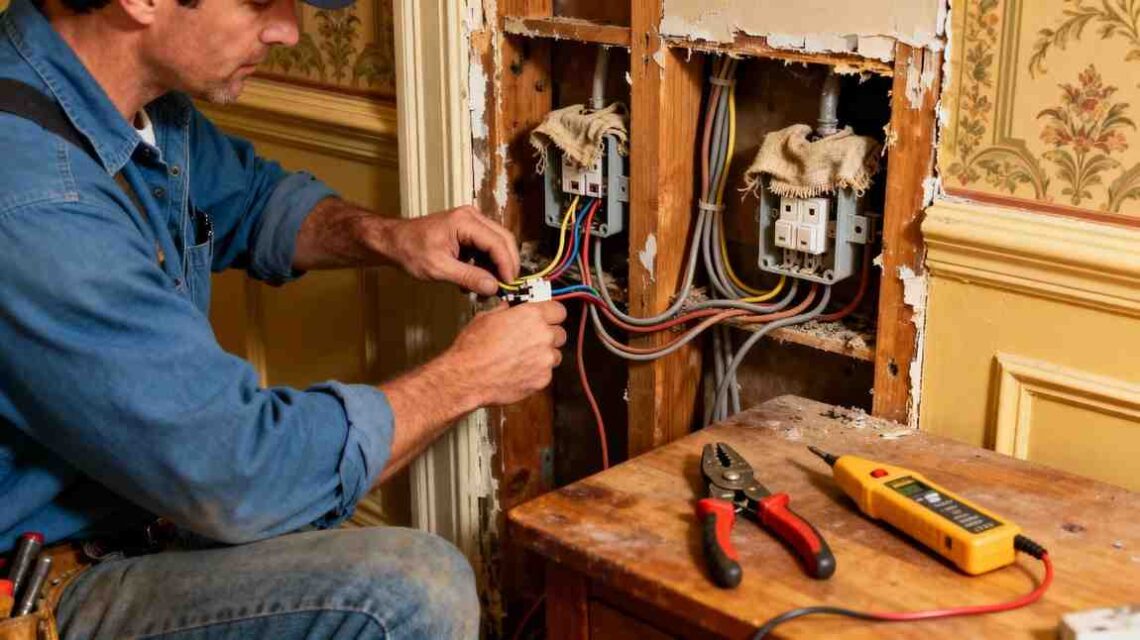
Older homes often contain electrical systems that were installed decades ago. While many of these systems were reliable at the time, modern households require more power and safer infrastructure to handle appliances, electronics, and HVAC systems. One of the most common electrical systems found in older properties is knob and tube wiring. This early wiring method was widely used in homes built before the 1940s. Today, many homeowners and property buyers want to understand how knob and tube wiring works, whether it is safe, and what it costs to upgrade an electrical system.
In this guide, we will explain what knob and tube wiring is, how modern outlets such as the duplex outlet work, the role of a fuse panel and fuse block, the purpose of a heavy duty-reset-wall-socket-plug in modern electrical systems, and how much to rewire a house when older wiring needs replacement.
What Is Knob and Tube Wiring
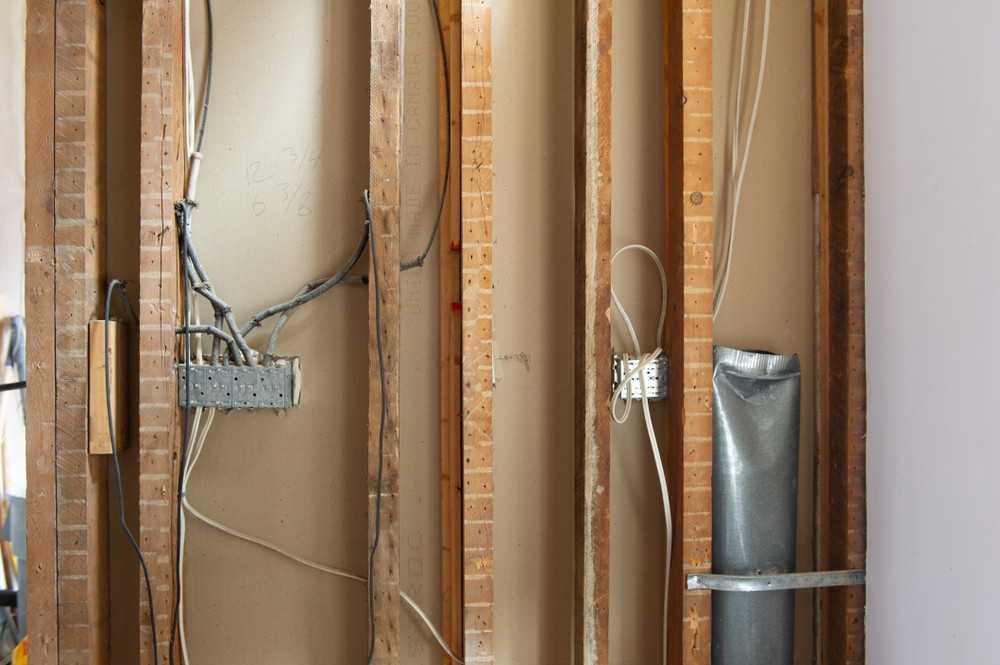
Knob and tube wiring is one of the earliest residential electrical systems used in North America and many other countries. It was widely installed between the late 1800s and the 1930s.
The system uses two ceramic components:
- knobs, which hold electrical wires away from wood framing
- tubes, which protect wires when they pass through joists or wall studs
Unlike modern wiring that bundles multiple conductors inside insulated cables, knob and tube wiring uses individual copper wires separated by air space. This design originally helped prevent overheating.
Why Older Homes Used Knob and Tube Wiring
When it was introduced, knob and tube wiring was considered a safe and efficient method for distributing electricity in residential buildings.
Advantages at the time included:
- excellent airflow around wires
- durable ceramic supports
- simple installation in wood-framed houses
However, homes today use far more electricity than homes built a century ago, according to data from the U.S. Department of Energy. Because of this, knob and tube wiring may struggle to meet modern electrical demands.
Is Knob and Tube Wiring Safe
Many homeowners wonder whether knob and tube wiring is still safe to use.
In some cases the wiring itself may still function, but it lacks modern safety features such as grounding. Electrical codes have evolved significantly, and many electricians recommend upgrading older wiring systems according to standards from the National Fire Protection Association.
Common Concerns With Older Wiring
Several issues can arise with older electrical systems:
- insulation deterioration
- overloaded circuits
- lack of grounding protection
- difficulty adding modern outlets
Because of these limitations, replacing knob and tube wiring is often recommended during home renovations or before selling a property.
Duplex Outlet
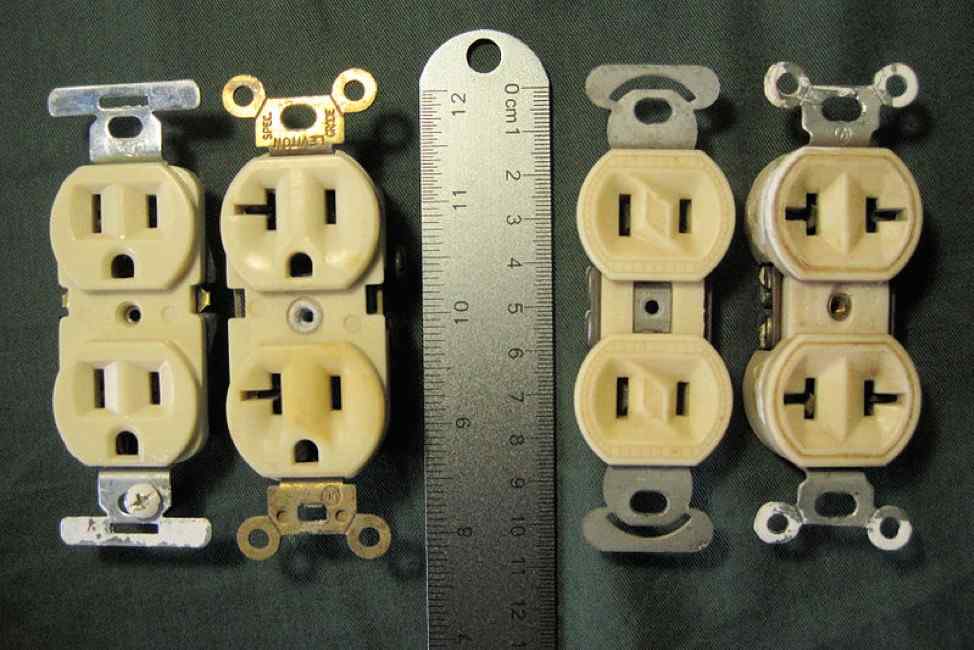
A duplex outlet is the standard electrical outlet used in most modern homes. It contains two plug sockets within a single outlet plate, allowing two devices to be connected simultaneously.
When electricians upgrade older homes, installing a grounded duplex outlet is one of the most common improvements.
Benefits of a Duplex Outlet
Modern outlets provide several advantages:
- grounded protection improves safety
- compatibility with modern appliances
- ability to power multiple devices
In houses that previously relied on knob and tube wiring, electricians often replace outdated outlets with grounded duplex outlets to meet modern safety standards.
When a Duplex Outlet Should Be Replaced
Even newer outlets can wear out over time. Homeowners should replace a duplex outlet if they notice:
- loose plugs
- burn marks
- cracked outlet plates
- outlets that feel warm
Replacing worn outlets helps maintain a safe electrical system.
Heavy Duty Reset Wall Socket Plug
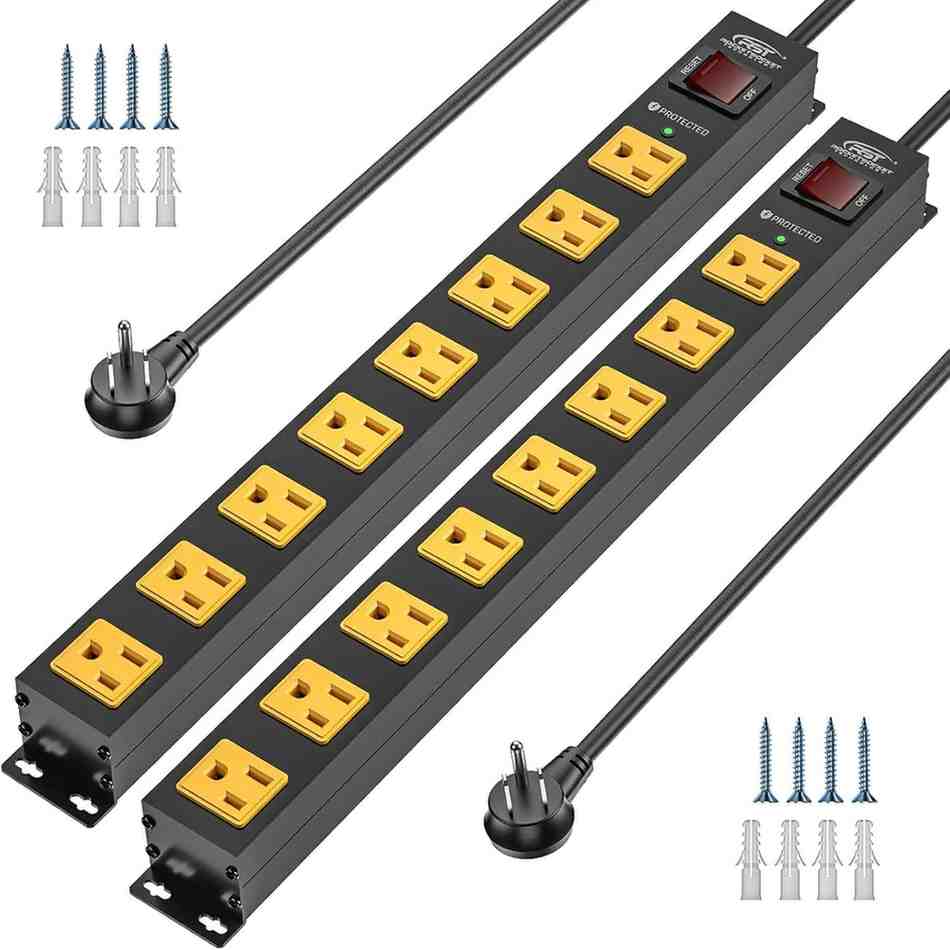
Certain areas of a home require stronger outlets designed to handle higher electrical loads. A heavy duty reset wall socket plug provides additional protection against electrical overload and short circuits.
These outlets typically include a reset button that allows homeowners to restore power after a circuit interruption.
Where Heavy Duty Reset Outlets Are Used
A heavy duty reset wall socket plug is commonly installed in areas where appliances draw more power, such as:
- kitchens
- garages
- laundry rooms
- workshops
- basements
These outlets help prevent electrical hazards when running power tools, washing machines, or other high-demand appliances.
Installing a heavy duty reset wall socket plug can improve electrical safety, especially when upgrading older homes.
Fuse Panel vs Fuse Block
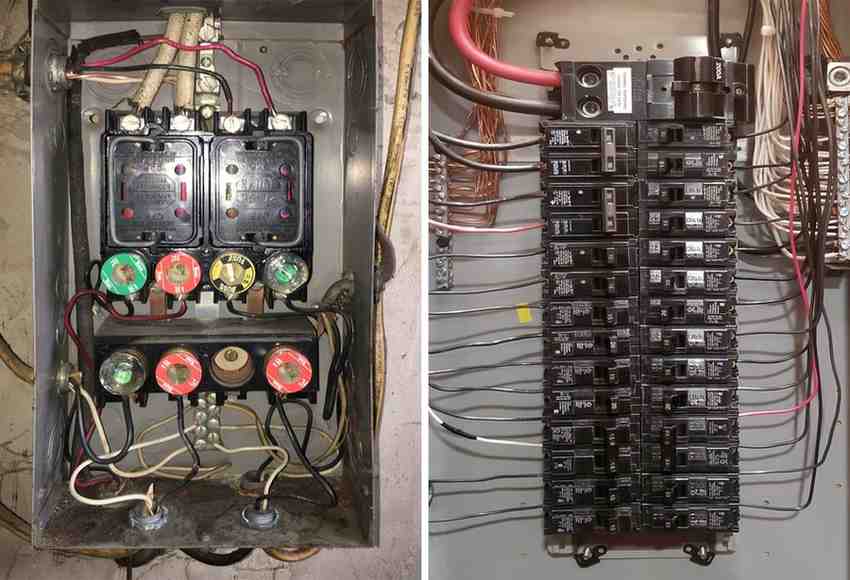
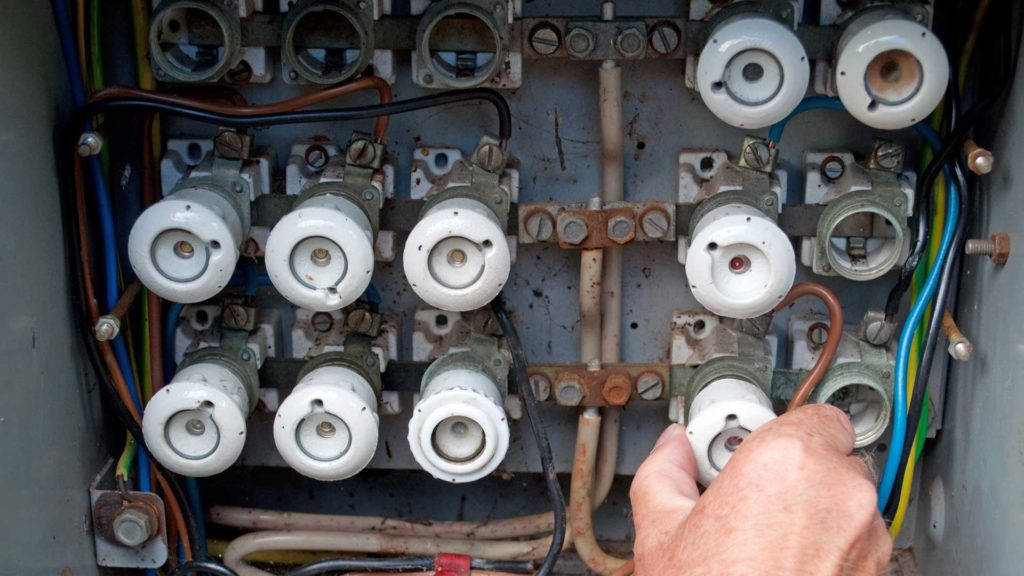
Before circuit breakers became common, homes relied on fuse-based electrical systems. These systems used components such as a fuse panel and fuse block to protect circuits from overload.
Understanding how these systems work helps homeowners decide when an electrical upgrade is necessary.
Fuse Panel
A fuse panel is the central distribution point for electricity in older homes. Each circuit inside the fuse panel contains a fuse designed to melt if electrical current becomes too high.
This safety mechanism prevents wires from overheating and reduces the risk of electrical fires.
Signs an Older Fuse Panel Needs Replacement
- frequently blown fuses
- limited capacity for appliances
- difficulty adding new circuits
Many electricians recommend replacing an outdated fuse panel with a modern circuit breaker panel.
Fuse Block
A fuse block is a smaller component inside older electrical systems that holds individual screw-in fuses. Each fuse block protects a specific circuit within the home.
When a circuit overload occurs, the fuse inside the fuse block melts and stops the flow of electricity.
Advantages of modern electrical panels include:
- easier reset capability
- higher circuit capacity
- improved electrical protection
Upgrading systems that rely on a fuse block is often recommended when modernizing an electrical system.
Signs Your House Needs Knob And Tube Wiring
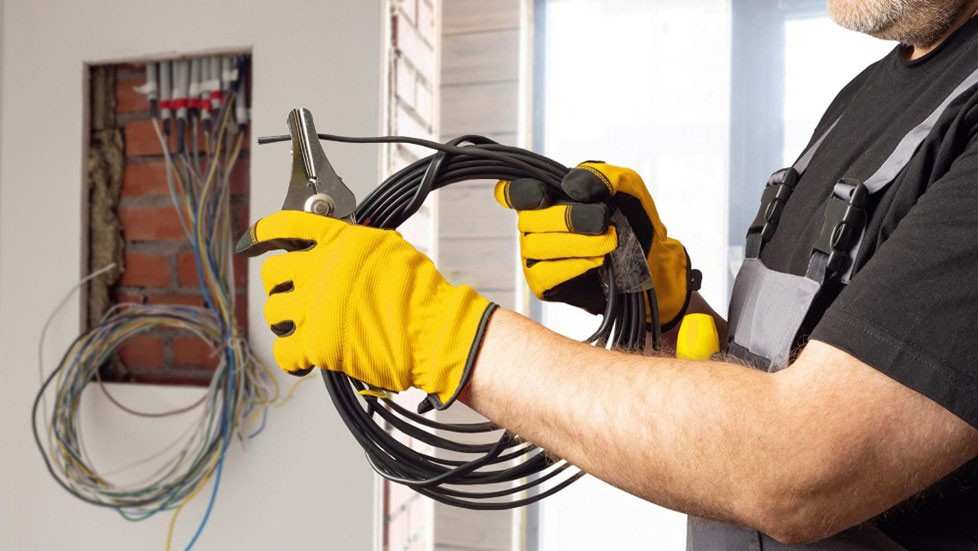
Electrical systems naturally age over time. Homes built many decades ago may eventually require a full wiring upgrade.
Common Indicators
Homeowners should watch for these signs:
- knob and tube wiring still in use
- two-prong outlets without grounding
- frequently blown fuses
- flickering lights
- buzzing switches or outlets
- warm electrical outlets
If these problems appear, it is important to have the electrical system inspected by a licensed electrician and follow guidelines from the Electrical Safety Foundation International.
How Much to Rewire a House
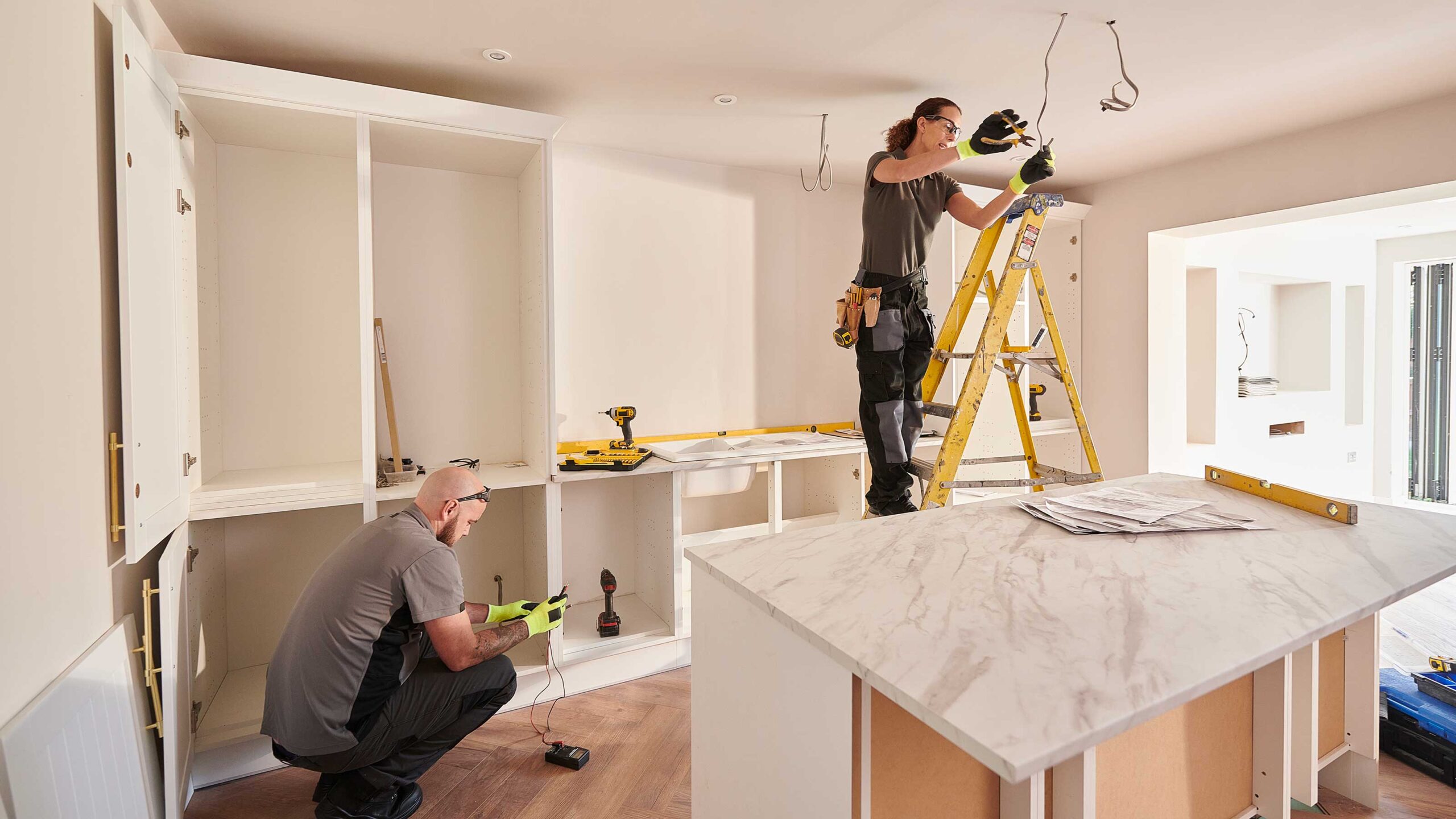
One of the most frequently asked questions homeowners ask is how much to rewire a house.
Electrical rewiring costs vary depending on the size of the home and the complexity of the electrical system.
Factors That Affect Rewiring Costs
Several factors influence how much to rewire a house:
- total square footage of the property
- number of electrical circuits
- accessibility of walls and ceilings
- upgrades to the electrical panel
- regional labor costs
Older homes with knob and tube wiring often require a complete system replacement.
Average Cost to Rewire a House
| Home Size | Estimated Cost |
| Small home | $6,000 – $10,000 |
| Medium home | $10,000 – $18,000 |
| Large home | $18,000 – $30,000 |
These estimates provide a general idea of how much to rewire a house.
Does Knob and Tube Wiring Affect Home Value
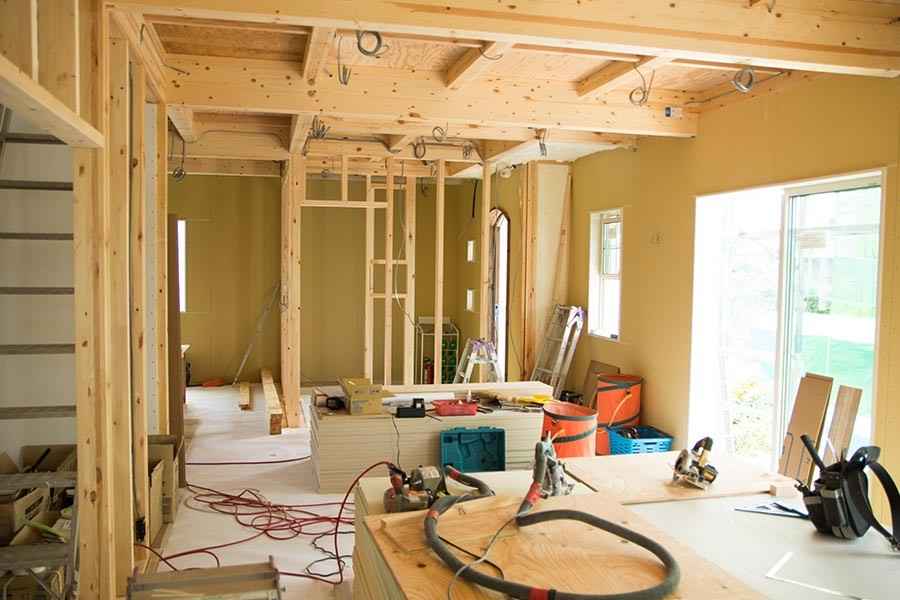
Electrical systems play a major role in real estate transactions.
Homes that still contain knob and tube wiring may face challenges during inspections or insurance evaluations.
Benefits of Replacing Knob and Tube Wiring
- improved safety
- easier home insurance approval
- increased resale value
- compatibility with modern appliances
Replacing this is often viewed as a valuable improvement when preparing a property for sale.
Electrical Safety Tips for Homeowners
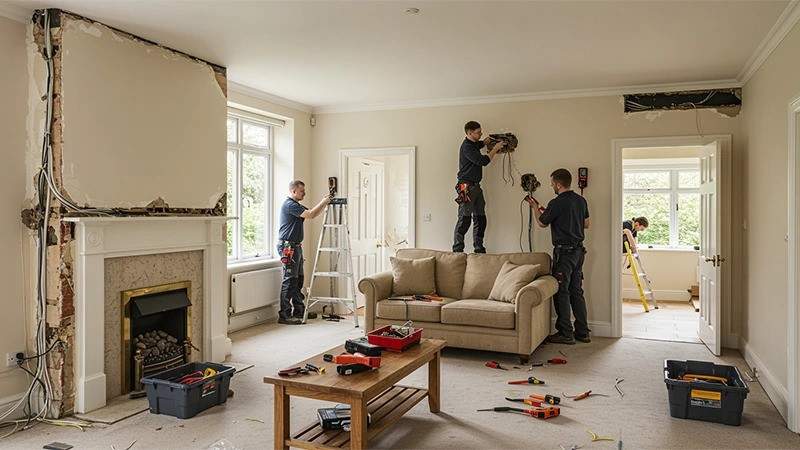
Regardless of the age of a home, following basic electrical safety practices helps reduce risks.
Safety Guidelines For Knob and Tube Wiring
Homeowners should:
- avoid overloading outlets
- replace damaged cords immediately
- upgrade outdated wiring systems
- schedule periodic electrical inspections
- install grounded duplex outlets where possible
Maintaining a safe electrical system protects both the property and its occupants.
FAQ: Home Electrical Systems
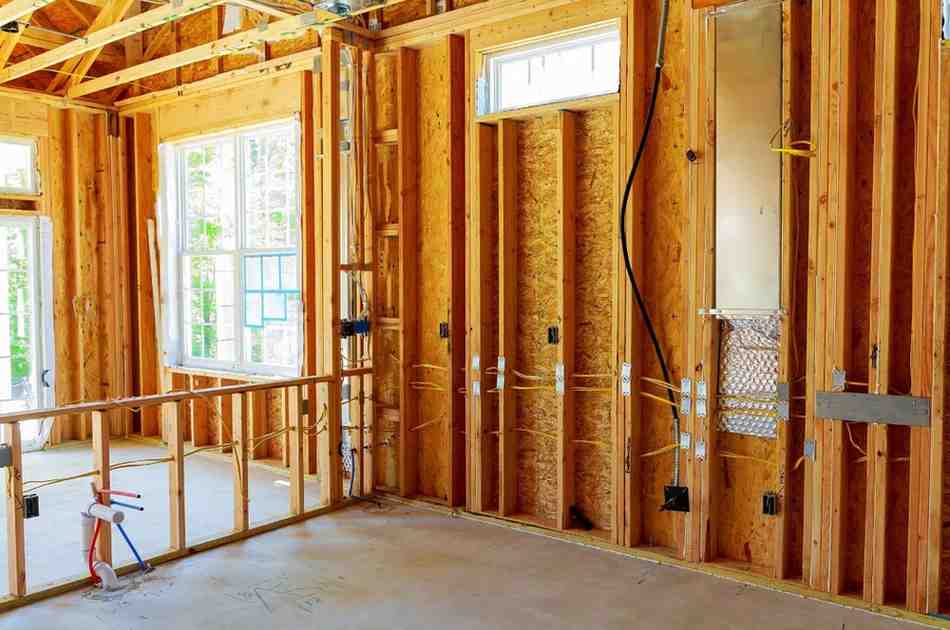
Is knob and tube wiring dangerous?
This can still function but lacks grounding protection and may not support modern electrical loads.
Can you insure a house with knob and tube wiring?
Some insurance companies provide coverage, but others may require replacement of knob and tube wiring.
How long does it take to rewire a house?
Most projects take between three and ten days depending on the size of the home.
How much to rewire a house in an older property?
Most homeowners spend between $6,000 and $30,000 when replacing outdated wiring systems.
Conclusion
Understanding home electrical systems is essential for homeowners, property buyers, and real estate investors. Older wiring systems such as knob and tube wiring, outdated fuse panels, and aging fuse blocks were designed for a different era of electricity use.
As homes adopt modern appliances and technology, upgrading electrical infrastructure becomes increasingly important. Installing grounded duplex outlets, modern panels, and safety outlets like a heavy duty reset wall socket plug can significantly improve reliability and protection.
For homeowners considering upgrades, learning how much to rewire a house and consulting a licensed electrician are important steps toward creating a safer and more efficient home electrical system.

