
A torn window panel in the middle of summer usually gets ignored for weeks—until mosquitoes start showing up at night or dust begins settling on every surface. Then, that small opening is often a sign that the mesh screen you chose years ago may not match your current needs. The right material doesn’t just keep bugs out; it controls airflow, affects visibility, and even influences indoor comfort.
This guide breaks everything down in a practical, beginner-friendly way so you can make a smart decision without second-guessing.
Table of Contents
ToggleWhat Is a Mesh Screen and Why Does It Matter
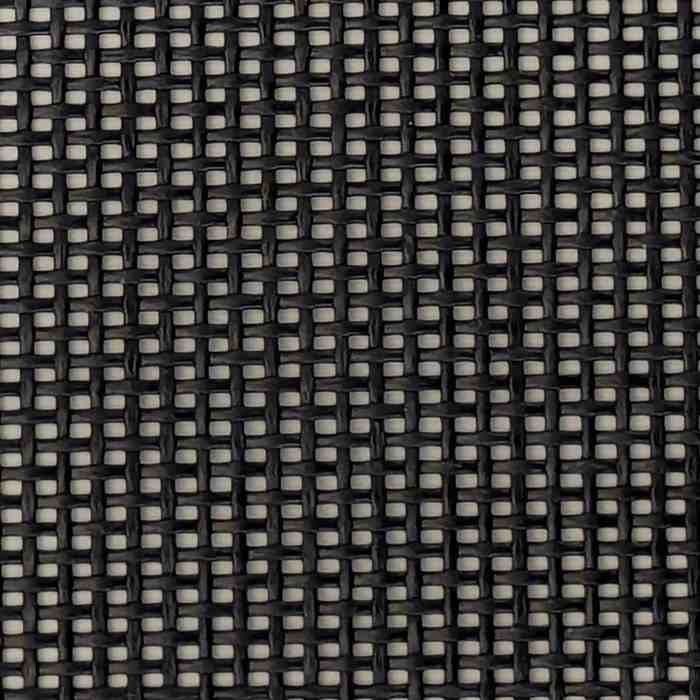
A mesh screen is a woven material designed to cover openings like windows, doors, or outdoor enclosures. Its main job is simple: allow air and light to pass through while blocking insects, debris, and sometimes even fine dust.
However, not all screens perform the same way. A poor-quality option might:
- Tears easily after one season
- Block airflow, making rooms feel stuffy
- Reduce visibility more than expected
In contrast, a well-chosen screen can improve ventilation, reduce reliance on air conditioning, and create a more comfortable indoor environment.
In many homes, especially in warmer climates, screens act as a passive cooling system. That’s why material choice matters more than most people think.
Types of Mesh Screens (Materials Comparison)

Choosing the right material is where most people get stuck. Each type has a clear purpose, and picking the wrong one often leads to early replacement.
Fiberglass Mesh Screens
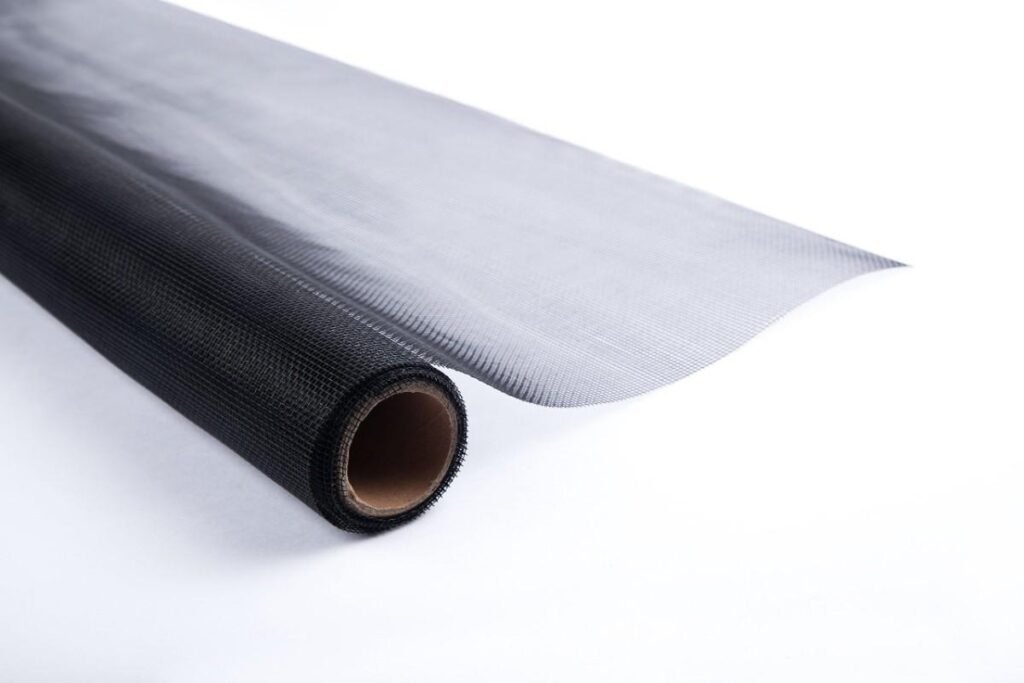
Fiberglass is the most common option in residential homes.
Why people choose it:
- Affordable
- Flexible and easy to install
- Resistant to rust and corrosion
However, fiberglass can stretch over time. It’s not ideal for areas with pets or heavy usage.
Aluminum Mesh Screens
Aluminum offers a more rigid structure.
Key benefits:
- Stronger than fiberglass
- Holds shape better
- Resistant to sagging
Typical lifespan: 10–15 years
On the downside, it can dent and crease easily, especially during installation or cleaning.
Stainless Steel Mesh Screens
This is the premium choice.
Best for:
- High-security applications
- Harsh weather conditions
- Homes needing extra durability
Advantages:
- Extremely strong
- Long lifespan (15–20+ years)
- Resistant to corrosion
The trade-off is cost. Stainless steel screens are significantly more expensive.
Polyester Mesh Screens
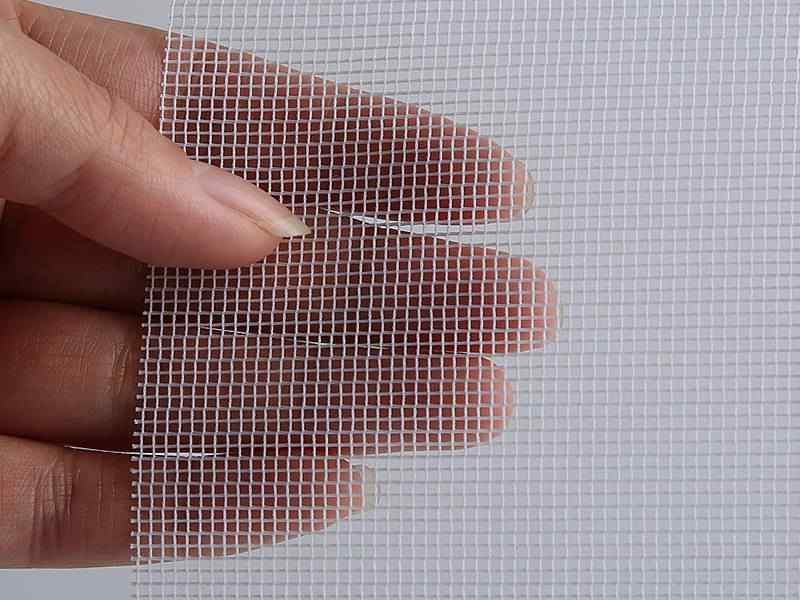
Polyester is often used in heavy-duty or pet-resistant screens.
Why it stands out:
- Tear-resistant
- Flexible yet strong
- Suitable for high-traffic areas
This is a smart choice if pets frequently scratch or push against screens.
Common Uses of Mesh Screens
Screens aren’t limited to windows anymore. They’ve become part of modern home design and outdoor living.
Windows
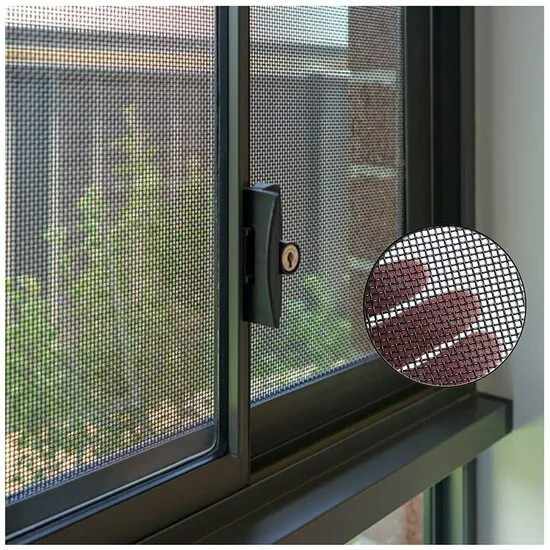
The most common application.
A good screen:
- Improves airflow
- Blocks insects
- Maintains clear outside visibility
Homes in humid regions especially benefit from high-quality window screens.
Doors
Sliding and hinged doors often require stronger materials.
For example:
- Polyester works well for pet doors
- Aluminum suits the main entryways
Door screens typically face more wear than window ones, so durability becomes critical.
Outdoor Areas
This is where screens add real value.
They’re used for:
- Patios
- Porches
- Gazebos
Creating enclosed outdoor spaces allows you to enjoy fresh air without dealing with insects.
What is Screen Eze, and when to Use It

Screen Eze is a framing system designed to simplify screen installation, especially for large openings.
Instead of traditional spline methods, it uses aluminum frames that clamp the mesh in place.
When it makes sense:
- Large patios or porches
- DIY installations
- Projects where flexibility is needed
Why people prefer it:
- Easier installation
- Cleaner finish
- More durable frame structure
If you’re building a screened outdoor area, this system can save both time and frustration.
What Is a Screen House (Benefits and Use Cases)

A screen house is a fully enclosed structure made with screened walls instead of solid materials.
Think of it as a hybrid between a gazebo and a porch.
Common uses:
- Backyard relaxation areas
- Outdoor dining spaces
- Temporary event shelters
Benefits:
- Protection from insects
- Improved airflow compared to solid walls
- Lower construction cost than traditional rooms
Cost range:
- Basic setups: $200–$500
- Mid-range structures: $500–$1000
- Premium builds: $1000–$1500+
A screen house is a practical solution if you want outdoor space without investing in full construction.
Using Mesh Screens for AC Filter Window Solutions

Many homeowners overlook how screens can support air filtration.
An AC filter window setup combines mesh with filtration material to improve indoor air quality.
How it works:
- A screen holds a filter layer in place
- Air passes through while dust and particles are trapped
When to use it:
- Homes in dusty environments
- Areas with high pollution levels
- Rooms relying on natural ventilation
Key tip:
Use a fine mesh combined with replaceable filters for the best results. This setup is especially useful in urban environments where air quality fluctuates.
How to Choose the Right Mesh Screen

Making the right choice depends on your environment and priorities.
Climate
- Humid areas → fiberglass or polyester
- Coastal regions → corrosion-resistant materials
- High-wind zones → stronger options like aluminum
Durability
Ask yourself:
- Do you have pets?
- Is the screen exposed to frequent use?
For high-impact areas, polyester or stainless steel works better.
Visibility
Some materials reduce clarity.
If you want a clear outside view:
- Choose thinner, high-transparency screens
- Avoid overly dense mesh unless needed
Airflow
Screens with tighter weaves block more particles but reduce airflow.
Balance is key.
For most homes:
- Medium-density mesh works best
- High-density mesh is ideal for dust-prone areas
Step-by-Step Installation Guide
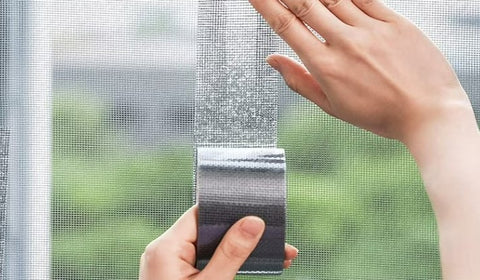
Installing a screen isn’t complicated, but small mistakes can affect the final result.
Tools you’ll need:
- Measuring tape
- Utility knife
- Spline roller
- Frame (if needed)
Step 1: Measure the Opening
Always measure twice. Even a small error can cause gaps.
Step 2: Cut the Mesh
Leave extra material around the edges for adjustments.
Step 3: Attach the Screen
Use a spline or frame system to secure it tightly.
Step 4: Trim Excess Material
Cut carefully along the edges for a clean finish.
Step 5: Check Tension
The screen should be firm but not overstretched.
Cost Breakdown (Materials + Installation)

Costs vary depending on material and project size.
Material costs per square foot:
- Fiberglass: $0.25–$0.50
- Aluminum: $0.50–$1.00
- Polyester: $0.75–$1.50
- Stainless steel: $2–$5
Installation costs:
- DIY: minimal (tools + materials)
- Professional: $100–$400 per window
Larger projects:
- Patio screening: $500–$2000+
- Full outdoor enclosures: $1500–$5000+
Choosing the right material upfront can reduce long-term replacement costs.
Common Mistakes to Avoid
Even simple projects can go wrong if you overlook details.
1. Choosing the wrong material
Many people pick the cheapest option without considering durability.
2. Incorrect measurements
Gaps lead to poor performance and insect entry.
3. Overstretching the mesh
This weakens the material and reduces lifespan.
4. Ignoring airflow needs
Too dense a mesh can make rooms feel suffocated.
5. Skipping maintenance
Dirt buildup reduces effectiveness over time.
Maintenance and Cleaning Tips
A little upkeep goes a long way.
Basic cleaning:
- Use mild soap and water
- Clean every 2–3 months
For stubborn dirt:
- Use a soft brush
- Avoid harsh chemicals
Inspection:
Check for:
- Tears
- Loose edges
- Frame damage
Fixing small issues early prevents full replacement.
FAQ Section
What is the best mesh screen material?
It depends on your needs. However, fiberglass works for most homes, while polyester or stainless steel suits high-impact areas.
How long do mesh screens last?
Most screens last 8–15 years, depending on material and maintenance.
Can I install a mesh screen myself?
Yes. Generally, basic installations are DIY-friendly, especially for small windows.
Are mesh screens energy efficient?
Yes, they improve airflow, and as a result, reduce reliance on air conditioning in mild climates.
How often should screens be replaced?
Replace them when you notice tears, sagging, or reduced performance—usually every 8–12 years.
Conclusion
A good mesh screen isn’t just about keeping insects out. In fact, it shapes how air moves through your home, how comfortable your living space feels, and how often you’ll need repairs.
So, if you want a quick takeaway:
- First, go with fiberglass for affordability
- Next, choose polyester for durability
- Additionally, consider aluminum for the structure
- Finally, use stainless steel for long-term strength
Meanwhile, for outdoor setups, systems like screen eze simplify installation, while a screen house can transform unused backyard space into something practical. Similarly, if air quality matters, integrating a setup like an AC filter window can make a noticeable difference.
Ultimately, before you buy, think about how the screen will be used—not just where it will go. Because of this, that one decision usually determines whether you’ll be replacing it in two years or ten.