

Imagine waking up on a cold January morning and discovering no hot water in your house. A homeowner in Minnesota once woke up on a cold January morning expecting a warm shower before work. Instead, only icy water came out of the faucet. Down in the basement, the water heater looked normal at first glance, but a small puddle had formed under the tank. Situations like this are surprisingly common. Water heaters operate quietly in the background of a home until something goes wrong.
One of the most frustrating problems homeowners face is no hot water in the house, especially when it happens unexpectedly. Whether the issue is a failed heating element, sediment buildup, or a leaking tank, identifying the problem early can save both money and inconvenience.
This guide explains common water heater problems, how to troubleshoot them safely, and when it makes sense to repair or replace the unit.
Understanding How Water Heaters Work
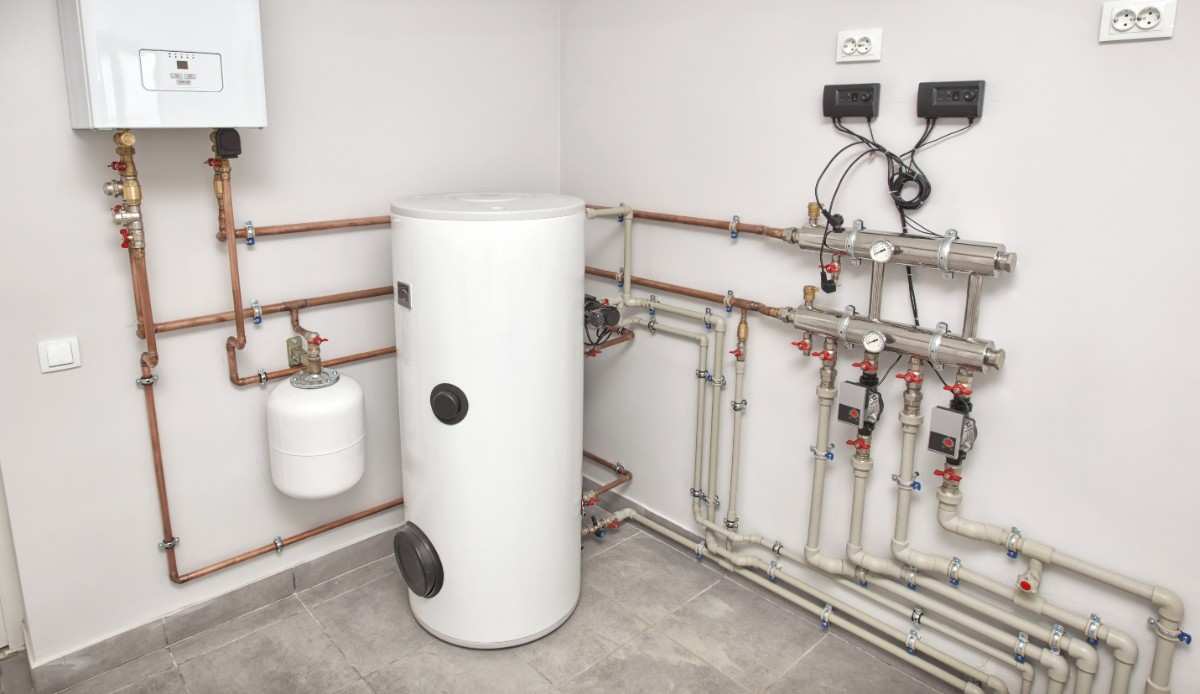
Before diagnosing problems, it helps to understand how water heaters operate. Just as HVAC systems manage home temperature efficiently, understanding your water heater’s mechanics ensures reliable hot water and energy use. Most homes use one of two types:
- Traditional tank water heaters
- Tankless (on-demand) water heaters
Tank systems store and heat water in a large insulated tank, usually ranging between 40 and 80 gallons. Electric heaters rely on heating elements, while gas heaters use burners beneath the tank.
Tankless systems heat water only when needed, eliminating the storage tank. These systems cost more initially but may last longer. Most traditional heaters have a lifespan of 8–12 years, depending on maintenance and water quality.
Common Causes of No Hot Water in House
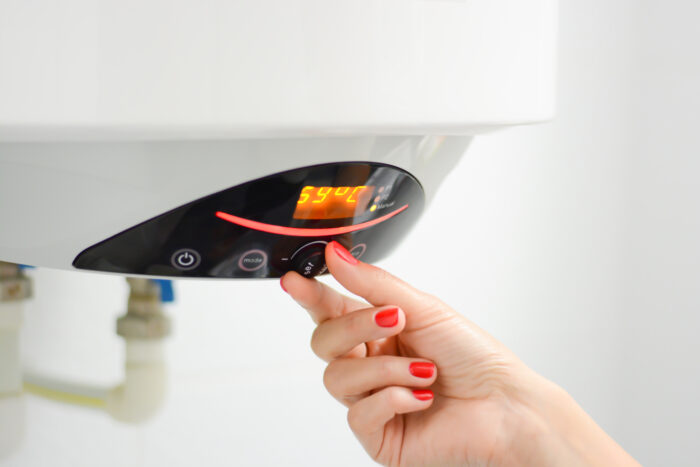
When homeowners suddenly notice no hot water in house, several potential causes may be responsible. Some issues are minor and easy to fix, while others require professional repair.
Power or Gas Supply Issues
Electric water heaters require power to operate. A tripped circuit breaker can instantly shut down heating elements.
Gas heaters rely on a pilot light or electronic ignition. If the pilot light goes out, the burner cannot heat the water.
Common checks include:
- Inspecting the circuit breaker panel
- Confirming the gas valve is open
- Checking whether the pilot light is lit
Sometimes restoring power or relighting the pilot resolves the issue quickly.
Failed Heating Elements
- Electric water heaters contain one or two heating elements that warm the water inside the tank.
- If an element burns out, the heater may produce lukewarm water or none at all.
- Typical repair costs for heating elements range from $150 to $300, including labor.
- If both elements fail, homeowners may experience no hot water in house at all.
Thermostat Malfunction
Water heater thermostats control temperature settings. When thermostats fail, the heater may stop heating water properly.
Signs of thermostat issues include:
- inconsistent water temperatures
- water that never reaches desired heat
- complete loss of hot water
Thermostat replacements typically cost $150 to $350.
Water Heater Leaking From Bottom: What It Means
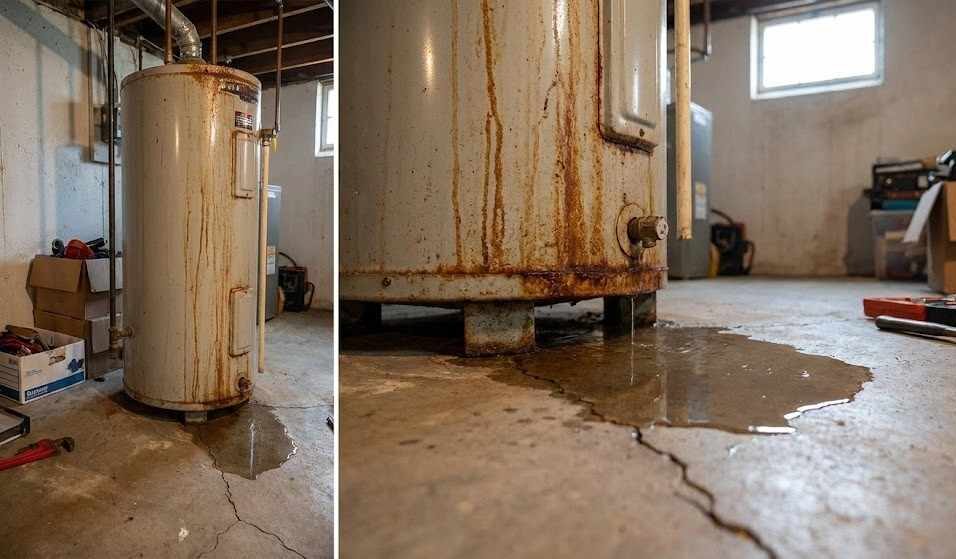
A homeowner may notice water pooling beneath the tank in the morning. When water heater leaking from bottom occurs, the source of the leak must be identified quickly.
Loose Drain Valve
Sometimes a small leak occurs because the drain valve at the base of the tank is not fully closed.
This is one of the simplest causes of water heater leaking from bottom, and tightening the valve may solve the problem.
Pressure Relief Valve Issues
Water heaters include a pressure relief valve designed to release excess pressure.
If pressure inside the tank rises too high, the valve may release water through a discharge pipe.
While this safety feature prevents tank explosions, repeated discharge can appear as water heater leaking from bottom.
Tank Corrosion
Unfortunately, internal corrosion is one of the most common causes of water heater leaking from bottom.
Steel tanks contain a sacrificial anode rod designed to reduce corrosion. Over time, the rod deteriorates, allowing rust to attack the tank.
Once corrosion creates holes in the tank, replacement is usually necessary.
Typical replacement costs include:
- Standard tank heater: $1,200–$2,500
- Tankless system: $2,500–$4,500
Sediment Buildup and Maintenance Problems
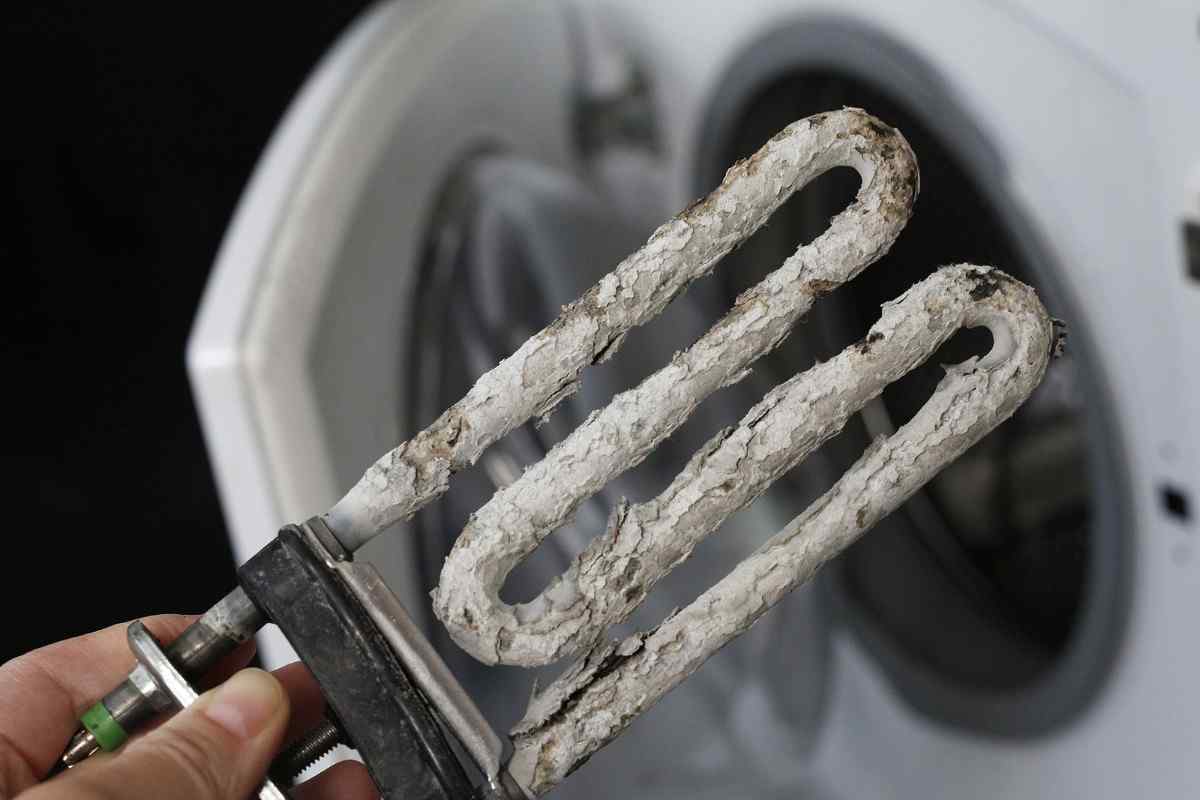
Over time, minerals from hard water settle at the bottom of a water heater tank. This sediment layer reduces heating efficiency and may cause overheating.
In areas with hard water, sediment buildup can shorten the life of a heater significantly.
Regular maintenance prevents many of these issues.
How to Drain a Hot Water Heater Safely
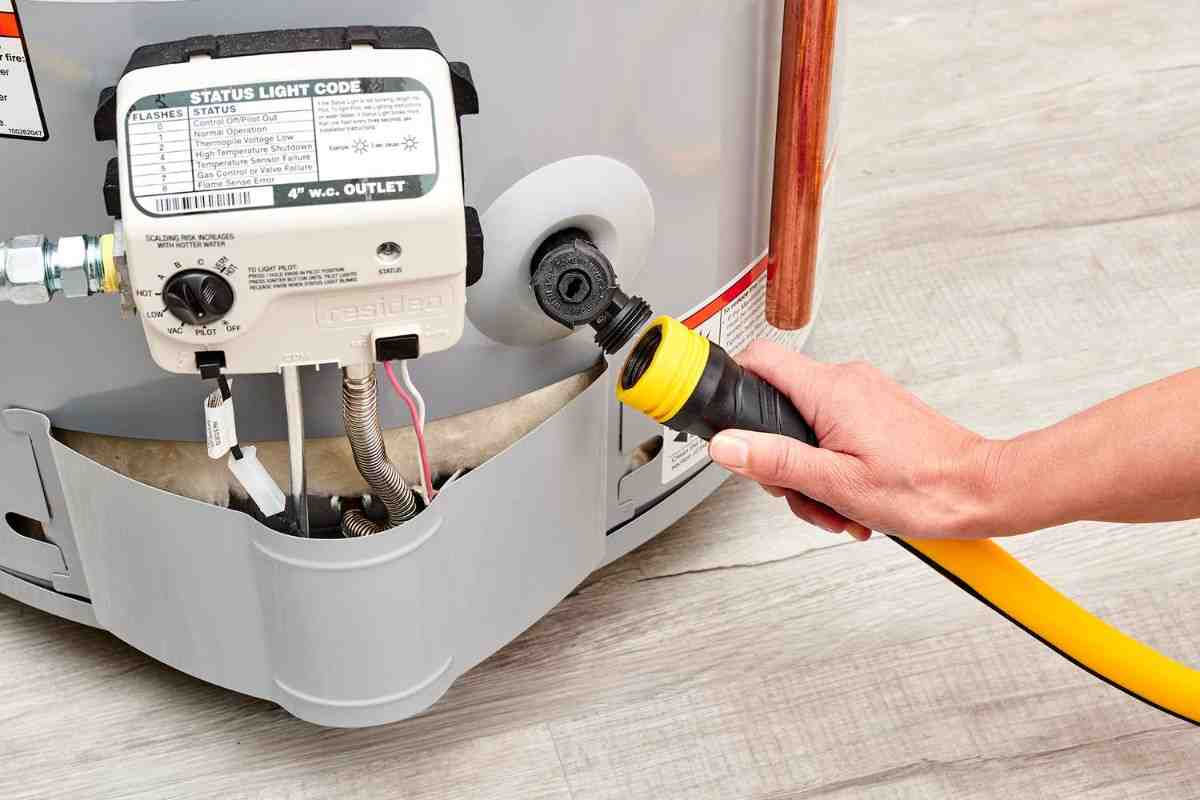
Routine maintenance often includes flushing sediment from the tank. Many homeowners search for instructions on how to drain a hot water heater when performing annual maintenance.
Basic Drain Procedure
The process of how to drain a hot water heater typically involves several steps:
- Turn off power or gas to the heater.
- Shut off the cold water supply valve.
- Attach a garden hose to the drain valve.
- Direct the hose to a floor drain or outside.
- Open the drain valve and allow water to flow out.
Depending on tank size, the process of how to drain a hot water heater may take 20–40 minutes.
Safety Tips During Draining
Hot water inside the tank can cause burns. Homeowners should allow the heater to cool before draining.
Additional precautions include:
- wearing gloves
- ensuring proper hose placement
- checking that the drain area can handle hot water discharge
If the valve becomes stuck or sediment blocks the drain, professional assistance may be needed.
Diagnosing Problems Step by Step
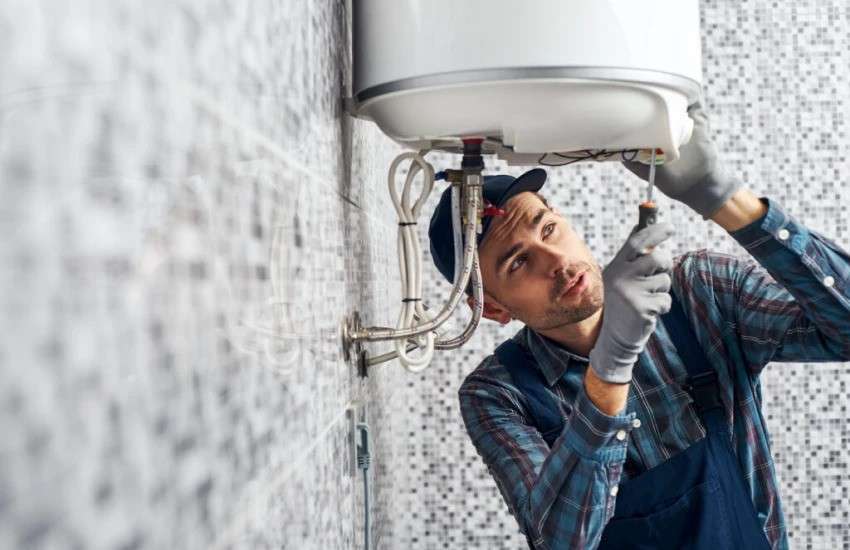
When homeowners experience no hot water in house, systematic troubleshooting helps identify the issue quickly.
Step 1: Check the Energy Source
Verify that electricity or gas is reaching the heater.
Step 2: Inspect the Thermostat
Ensure the thermostat is set between 120°F and 140°F.
Step 3: Look for Leaks
Check for signs of water heater leaking from bottom or from pipe connections.
Step 4: Listen for Unusual Sounds
Sediment buildup may cause popping or rumbling sounds as water heats beneath the mineral layer.
Repair Costs vs Replacement Costs
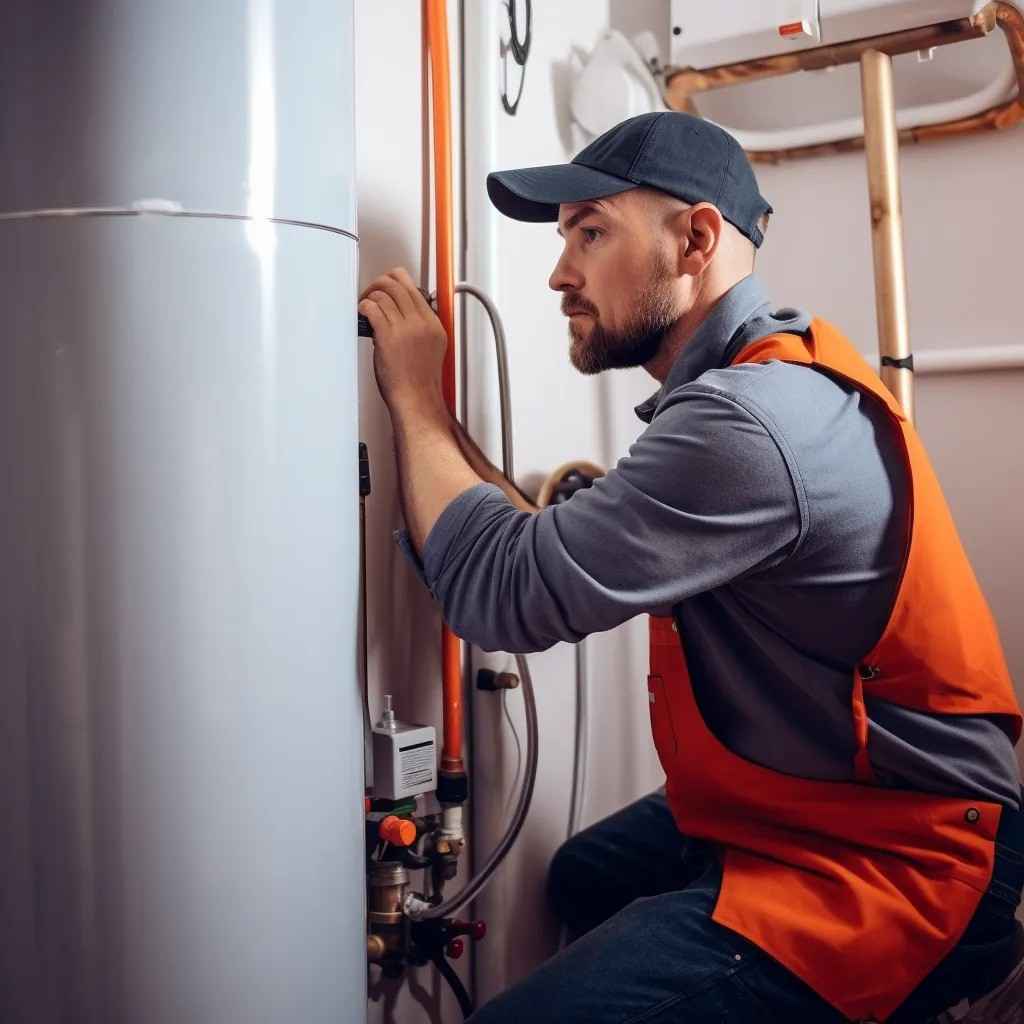
Determining whether to repair or replace a heater depends on the age and condition of the unit.
Typical Repair Costs
Common repairs may include:
- heating element replacement: $150–$300
- thermostat replacement: $150–$350
- pressure valve replacement: $200–$350
These repairs are usually worthwhile for heaters less than 7–8 years old.
Replacement Costs
If the tank is leaking or severely corroded, replacement becomes necessary.
Average installation costs include:
- standard tank heater: $1,200–$2,500
- high-efficiency tank models: $2,000–$3,000
- tankless water heaters: $2,500–$4,500
When a homeowner repeatedly experiences no hot water in house due to aging components, replacement may be the most reliable long-term solution.
Preventive Maintenance Tips
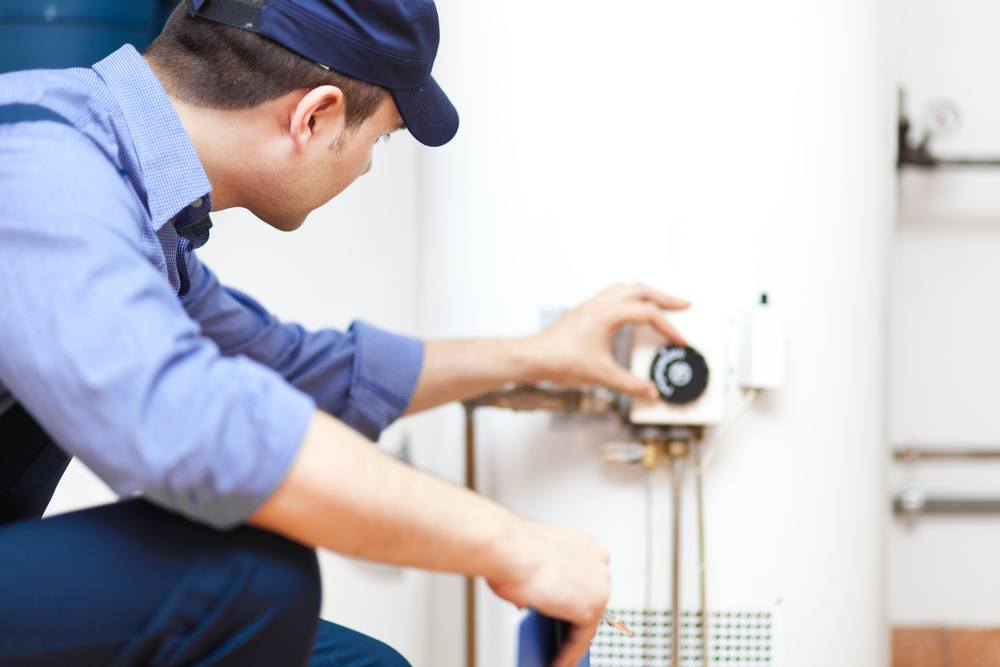
Proper maintenance can extend water heater lifespan and reduce the risk of sudden failures.
Homeowners should consider:
- draining the tank annually
- inspecting the anode rod every 3–5 years
- checking pressure valves
- monitoring thermostat settings
Understanding how to drain a hot water heater is one of the simplest preventive tasks homeowners can perform.
When to Call a Professional?
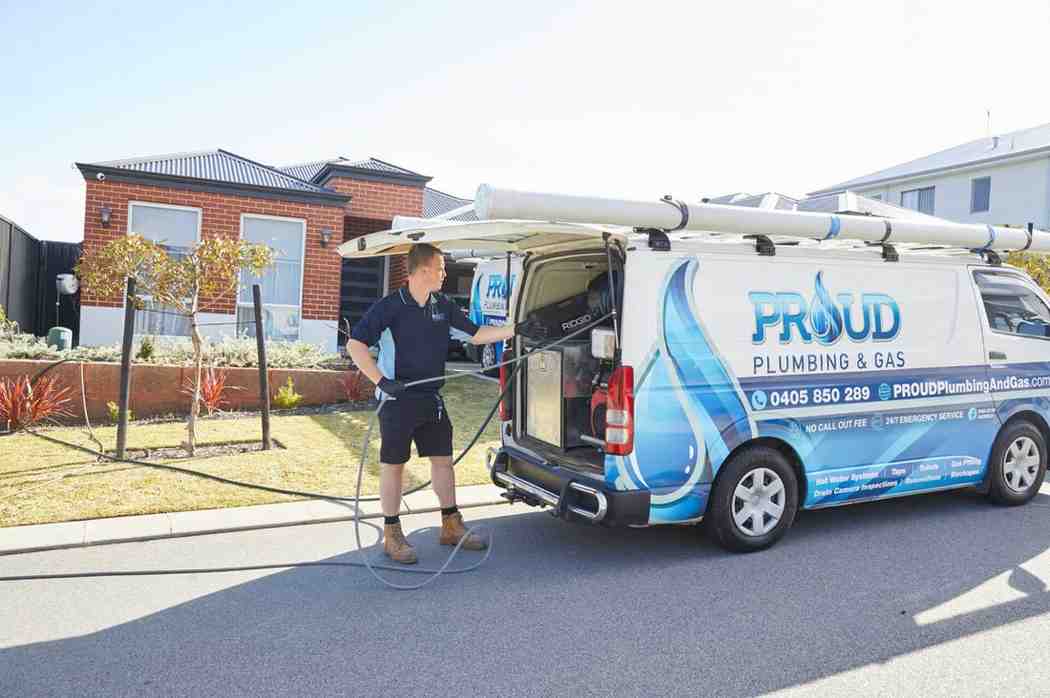
While some maintenance tasks are manageable, certain problems require licensed plumbers.
Professional help is recommended when:
- the tank is leaking internally
- gas lines require repair
- electrical wiring appears damaged
- water pressure fluctuates dangerously
If homeowners repeatedly experience no hot water in house, a plumber can diagnose hidden issues such as damaged dip tubes or failing thermostats.
Real-World Scenario
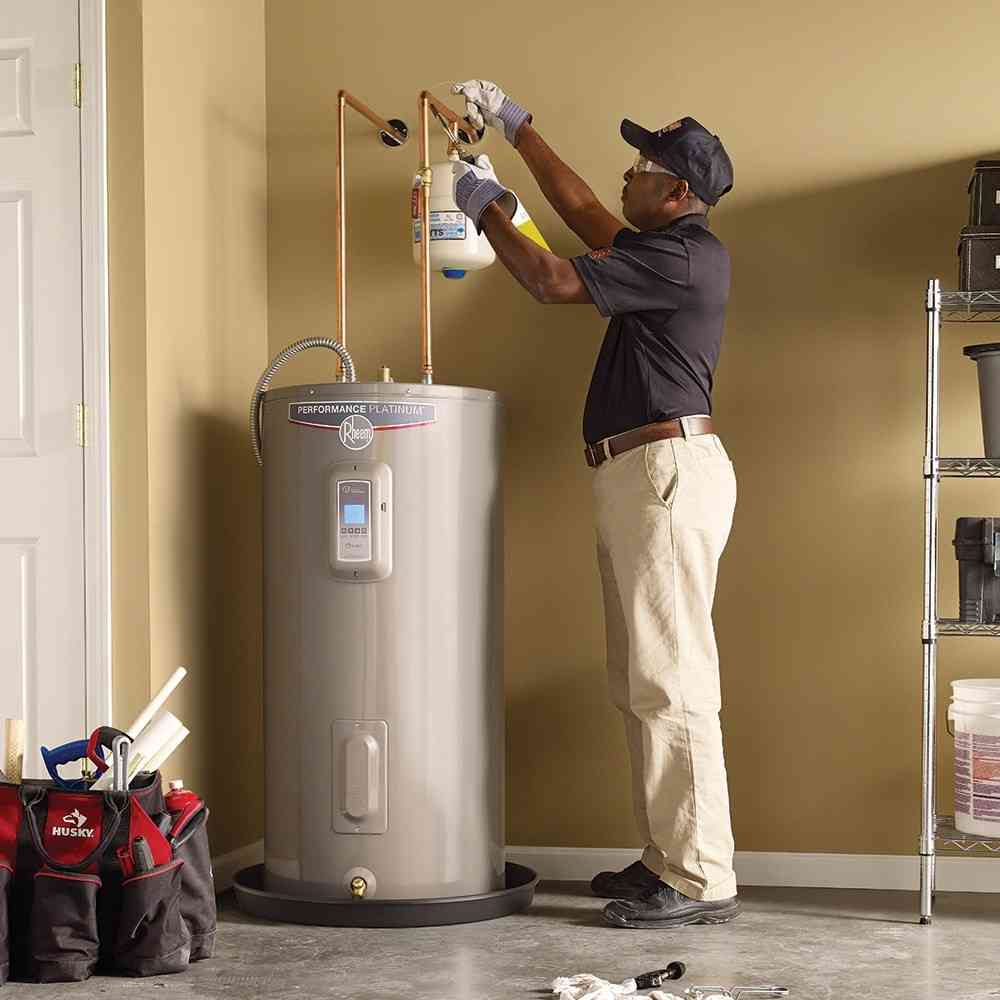
Consider a homeowner who notices warm water gradually turning cold over several weeks. Eventually, they experience no hot water in house entirely.
A plumber inspects the unit and finds that both heating elements have failed due to sediment buildup.
Repairing the elements costs $350, but the heater is already 11 years old. In this case, replacing the heater for $1,800 may provide better long-term reliability.
FAQ

Why is my water heater suddenly not producing hot water?
Common causes include tripped breakers, failed heating elements, gas supply issues, or thermostat malfunction.
How long does it take to drain a water heater?
Draining a standard tank usually takes 20–40 minutes, depending on tank size and water pressure.
Is a leaking water heater dangerous?
Yes. If water heater leaking from bottom occurs due to tank corrosion, the tank could eventually rupture and flood the surrounding area.
How often should I flush my water heater?
Most experts recommend flushing the tank once per year to remove sediment buildup.
What temperature should a water heater be set to?
Most households set water heaters between 120°F and 140°F for safety and efficiency.
Can sediment cause water heater failure?
Yes. Mineral buildup can insulate heating elements, forcing them to overheat and fail prematurely.
Conclusion
Water heaters are essential appliances that most homeowners rarely think about until something goes wrong. Problems such as no hot water in house or visible leaks can disrupt daily routines and indicate underlying mechanical issues.
Fortunately, many problems have clear causes. Heating element failures, thermostat issues, sediment buildup, and tank corrosion account for the majority of water heater malfunctions.
Routine maintenance, including learning how to drain a hot water heater, can extend the life of a system and prevent costly repairs. However, when problems such as water heater leaking from bottom occur, professional inspection may be necessary.
By understanding how water heaters function and recognizing early warning signs, homeowners can respond quickly and make informed decisions about repair or replacement.