

A homeowner might plug in a phone charger in the kitchen and realise nothing happens. The device works elsewhere, so the issue isn’t the charger. After checking the breaker panel and trying other plugs, it becomes clear that the outlet not working is part of a larger problem somewhere in the electrical system.
Situations like this are common in homes. Electrical outlets, heating and cooling systems, dryer vents, and ceiling fans all play important roles in everyday comfort. When something stops working, homeowners often want to know whether the issue is simple to fix or if professional help is needed.
This guide covers four areas that frequently cause confusion for homeowners: diagnosing outlet failures, choosing the right HVAC system, maintaining dryer vents, and measuring ceiling fans correctly. Understanding these systems can help homeowners avoid safety risks, reduce energy costs, and keep their homes functioning properly.
Common Electrical Outlet Problems
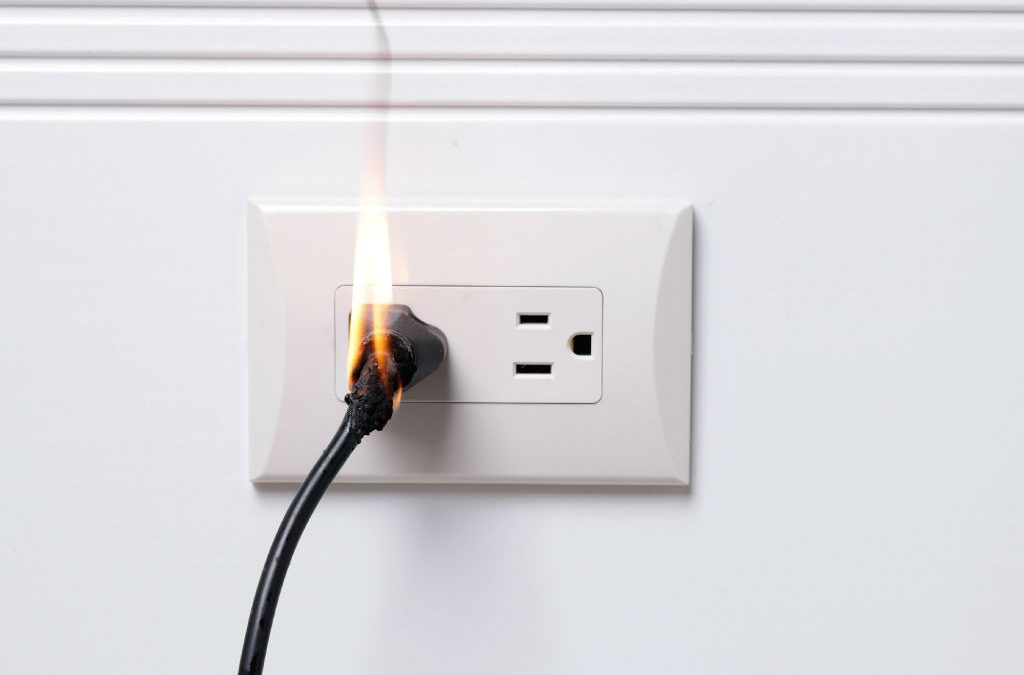
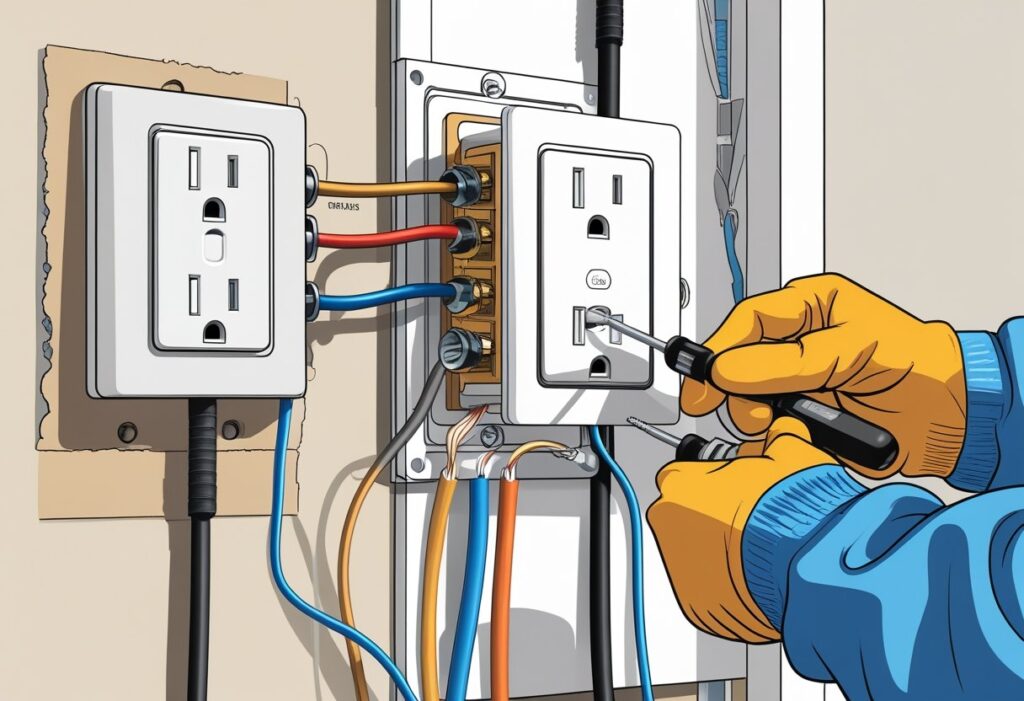
Electrical outlets are designed to last for many years, but several factors can cause them to stop working. Loose wiring, tripped breakers, and faulty safety outlets are among the most common issues.
When an outlet not working occurs, the problem may not actually be in the outlet itself. Electrical systems often connect multiple outlets to the same circuit.
Why An Outlet Not Working Happens
Several situations can lead to an outlet failure.
Common causes include:
- tripped circuit breakers
- overloaded circuits
- worn wiring connections
- damaged outlet receptacles
- tripped GFCI outlets
For example, a homeowner might run multiple kitchen appliances at once. If the circuit becomes overloaded, the breaker may shut off power to prevent overheating.
Another common situation involves outlets located in bathrooms, kitchens, or garages. These areas often rely on GFCI protection.
Basic Troubleshooting Steps
If you discover an outlet not working, there are a few safe steps you can try before calling an electrician.
- Check the breaker panel to see if a breaker has tripped.
- Reset the breaker if necessary.
- Test nearby outlets on the same wall.
- Look for a nearby GFCI outlet that may have tripped.
Many homeowners are surprised to learn that a single GFCI outlet can control several other outlets downstream in the circuit.
Fixing a GFCI Won’t Reset Issue
GFCI outlets protect against electrical shock by shutting off power when they detect abnormal current flow.
Sometimes homeowners encounter a situation where GFCI Won’t Reset even after pressing the reset button.
Several factors can cause this problem:
- moisture in the outlet box
- faulty wiring connections
- a ground fault somewhere on the circuit
- a damaged GFCI outlet
A homeowner might notice that the bathroom outlet suddenly stops working. After inspection, they discover the kitchen outlet connected to the same circuit has tripped.
If a GFCI Won’t Reset, unplugging devices connected to the circuit may allow the outlet to reset successfully.
However, if the GFCI Won’t Reset repeatedly, an electrician should inspect the wiring for safety issues.
Choosing the Best HVAC System
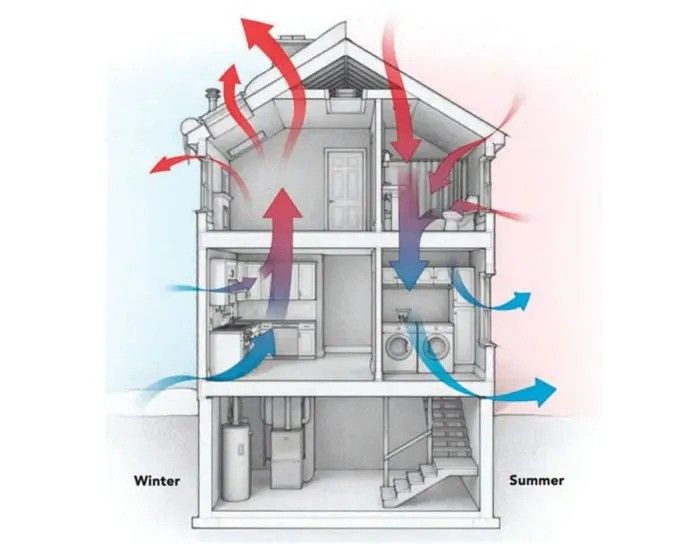
Heating and cooling systems represent one of the largest investments homeowners make. Selecting the best HVAC system can significantly affect comfort, energy costs, and long-term maintenance.
Types of HVAC Systems
Several HVAC systems are commonly used in residential homes. These include:
- central air conditioning systems
- heat pumps
- ductless mini-split systems
- furnace and AC combinations
Each option has advantages depending on climate and home design.
For example, heat pumps are popular in moderate climates because they provide both heating and cooling using a single system.
Cost Comparison of HVAC Systems
The cost of installing the best HVAC system depends on home size, efficiency rating, and installation complexity.
Typical installation ranges include:
- central air system: $5,000–$10,000
- heat pump system: $6,000–$12,000
- ductless mini-split system: $3,500–$8,000
Energy-efficient systems may cost more initially but reduce monthly energy bills.
Homeowners replacing older units often find that upgrading to the best HVAC system improves both comfort and resale value.
Signs an HVAC System Needs Replacement
Even well-maintained systems eventually wear out.
Common signs include:
- uneven temperatures between rooms
- rising energy bills
- frequent repairs
- systems older than 12–15 years
Replacing an aging unit with the best HVAC system available can reduce long-term maintenance expenses.
Dryer Vent Maintenance and Safety
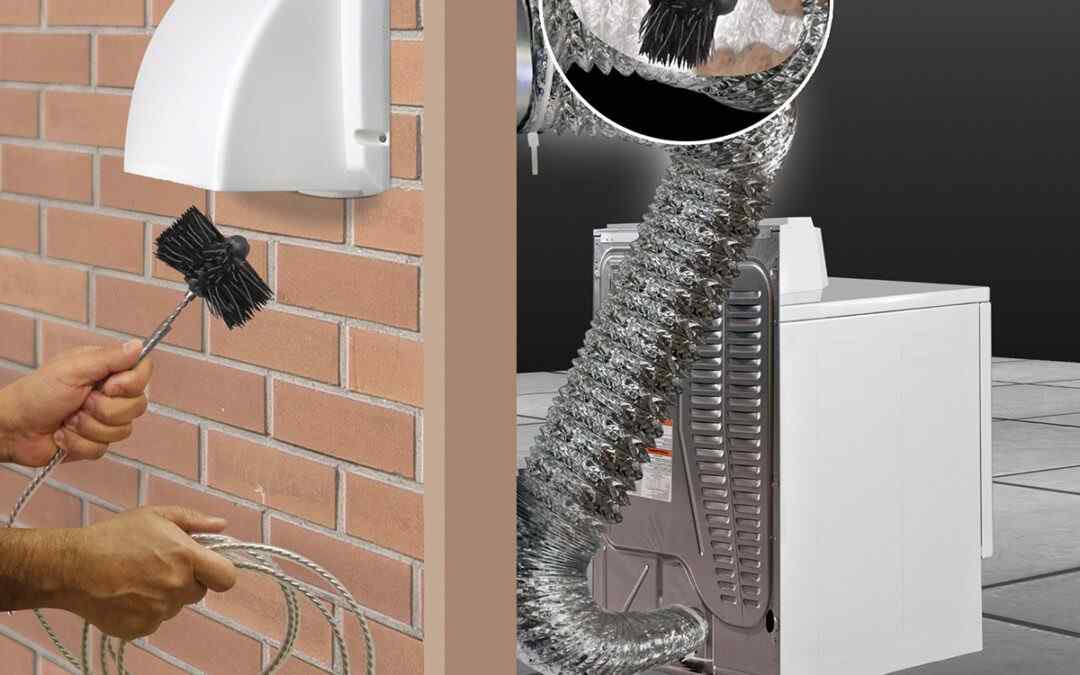
Dryers remove moisture from clothes by pushing warm air through a vent system. Over time, lint accumulates in the vent and restricts airflow.
If the vent becomes clogged, the dryer must work harder and may overheat.
Dryer Vent Cleaning Cost
Professional cleaning services remove lint buildup and restore proper airflow.
The typical dryer vent cleaning cost ranges between $90 and $180 for most homes.
In larger houses with longer vent systems, the dryer vent cleaning cost may reach $200–$300.
Cleaning is usually recommended once every 12–18 months.
Fire Risks of Blocked Dryer Vents
Lint is highly flammable. When airflow becomes restricted, heat can build up inside the vent.
Warning signs include:
- clothes taking longer to dry
- burning smells during dryer operation
- excessive heat in the laundry room
A homeowner might notice that towels require two drying cycles instead of one. In many cases, this indicates a blocked vent that needs cleaning.
Regular maintenance and understanding dryer vent cleaning cost can prevent both appliance damage and fire hazards.
Simple Maintenance Steps
Homeowners can reduce lint buildup by following a few simple practices.
- clean the lint trap after every load
- inspect vent hoses behind the dryer
- ensure the exterior vent flap opens freely
However, professional cleaning is still necessary periodically to remove lint deep within the vent line.
Ceiling Fan Installation and Measurement
Ceiling fans help circulate air, improve comfort, and reduce energy usage. However, installing the wrong size fan can lead to poor airflow and wasted energy. Learning how to measure a ceiling fan ensures the fan matches the size of the room.
How to Measure a Ceiling Fan
Ceiling fan size refers to the blade span measured from tip to tip.
The easiest way to understand how to measure a ceiling fan is to measure the distance between opposite blade tips.
For fans with an odd number of blades, measure from the center of the fan to the tip of one blade and multiply by two.
Understanding how to measure a ceiling fan helps homeowners choose the correct model for their room size.
Choosing the Right Fan Size for a Room
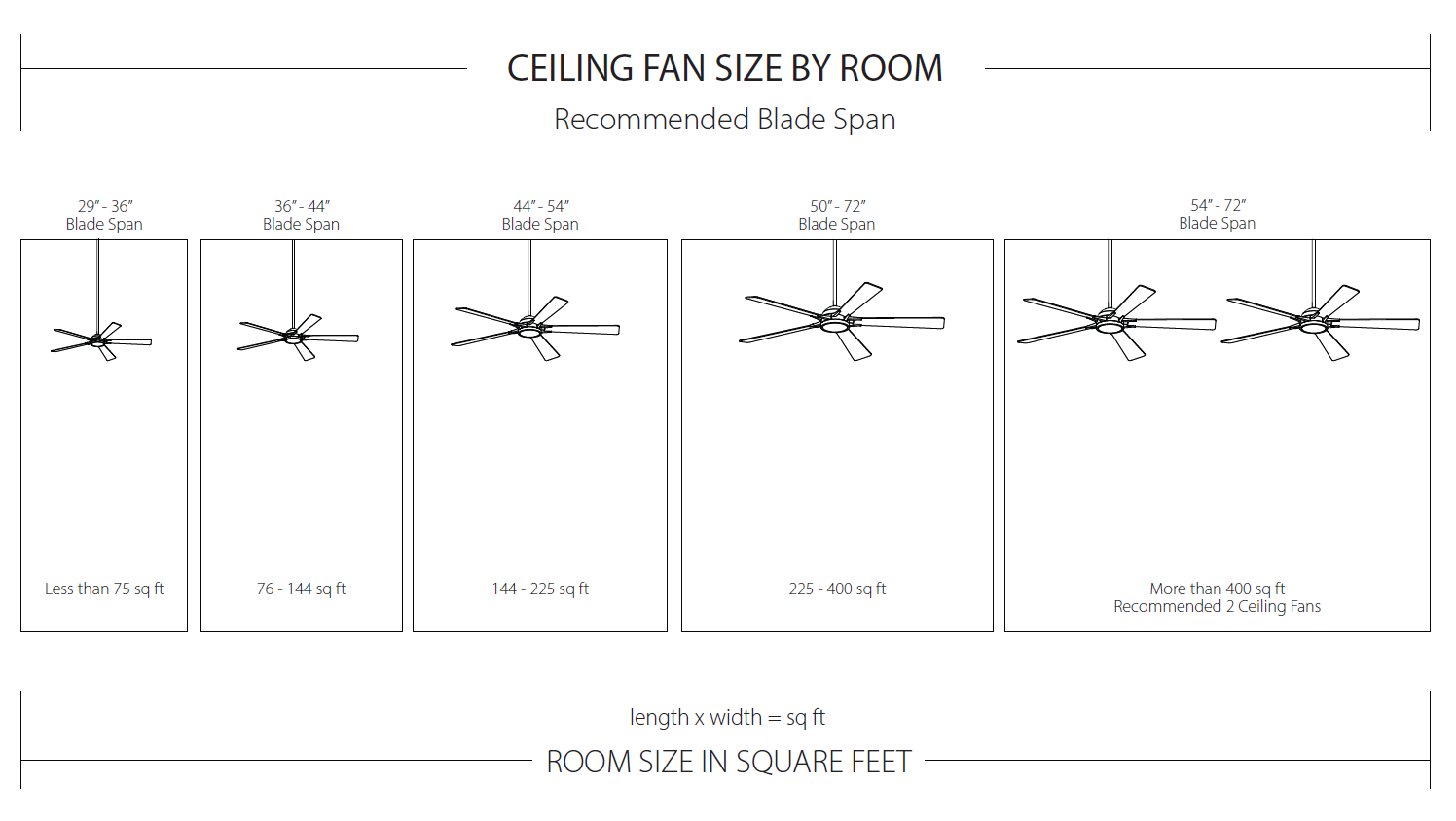
Fan size recommendations typically depend on room dimensions.
Common guidelines include:
- small rooms (up to 100 sq ft): 36–42 inch fans
- medium rooms (100–250 sq ft): 44–52 inch fans
- large rooms (250–400 sq ft): 52–60 inch fans
For example, a bedroom measuring 12 by 14 feet usually works well with a 48-inch fan.
Learning how to measure a ceiling fan prevents installation mistakes that reduce airflow efficiency.
Ceiling Height Considerations
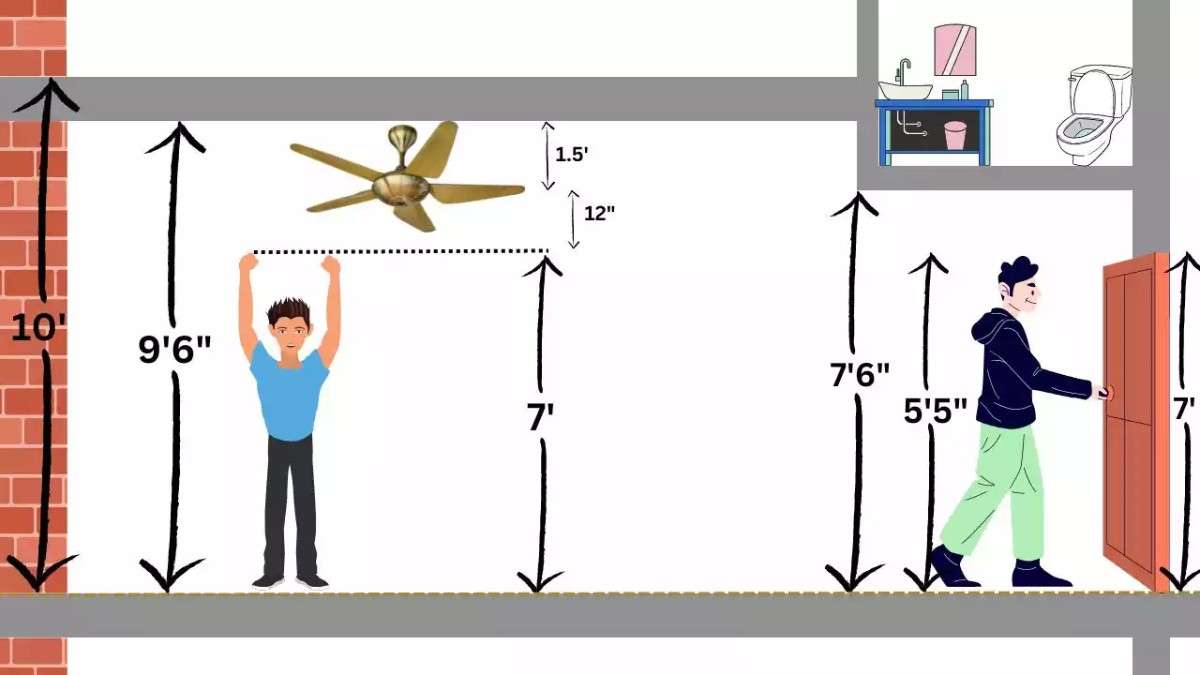
Ceiling height also affects fan installation.
Standard recommendations include:
- blades positioned 8–9 feet above the floor
- at least 18 inches clearance from walls
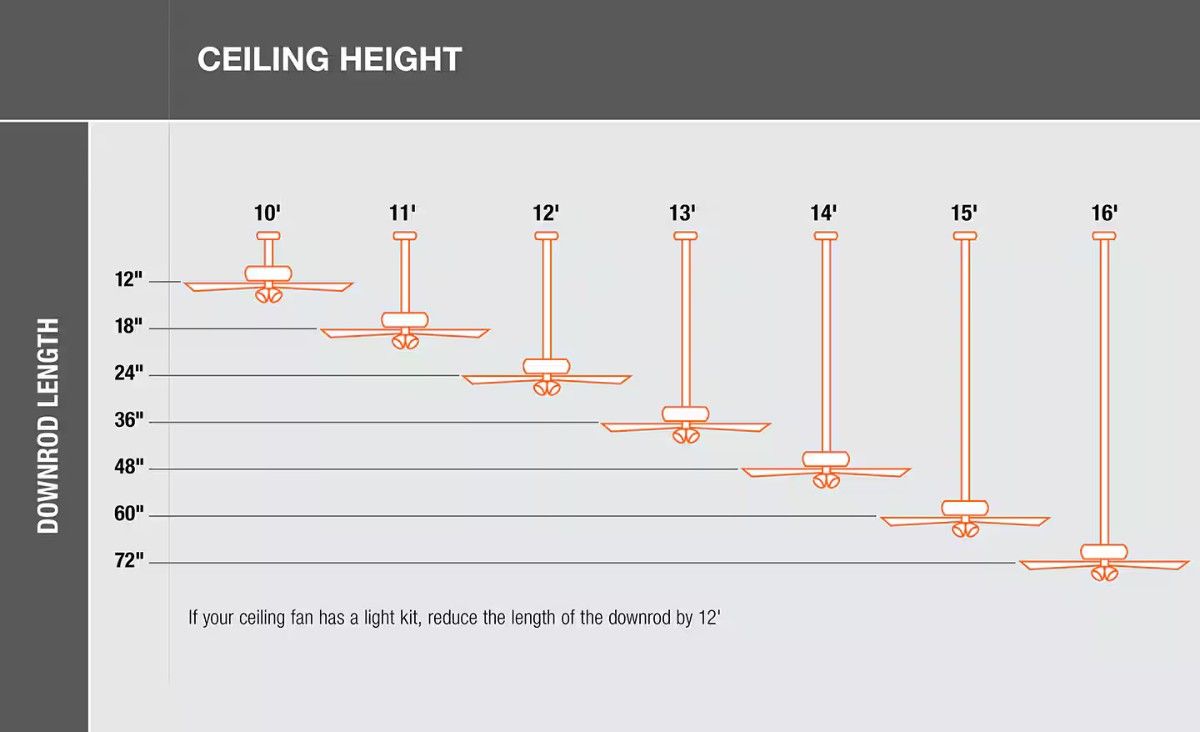
Homes with high ceilings may require downrods to position the fan correctly.
Safety Tips for Home Systems
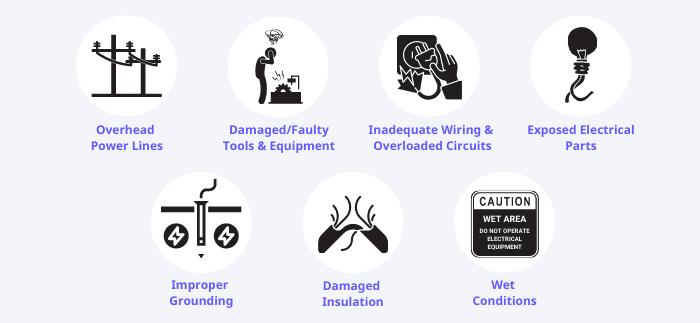
Maintaining electrical and mechanical systems requires caution. Homeowners should always follow basic safety guidelines.
Important tips include:
- turn off power before working on outlets
- never overload electrical circuits
- avoid running dryers with clogged vents
- hire professionals for major electrical repairs
While small tasks such as resetting breakers are manageable, complex electrical issues should be handled by licensed electricians.
Real-World Homeowner Scenario
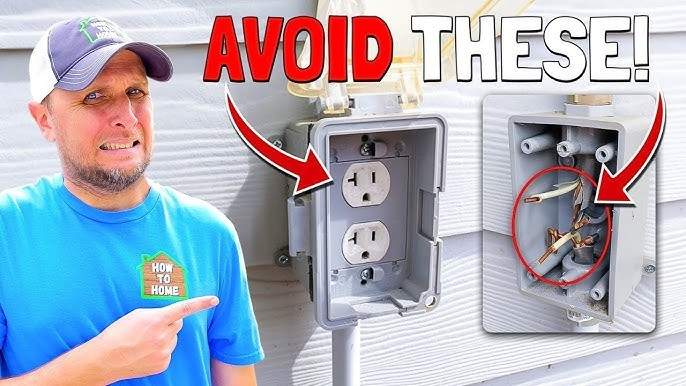
Consider a homeowner who discovers an outlet not working in the living room while vacuuming. After checking the breaker panel, they find everything appears normal.
Later, they notice that a bathroom outlet has a reset button that has tripped. Once the button is pressed, power returns to the living room outlet.
Situations like this show how electrical circuits often connect multiple outlets together. Understanding these connections can save homeowners time and unnecessary repair costs.
Frequently Asked Questions
Why is my outlet not working but the breaker is fine?
Often another outlet on the same circuit especially a GFCI outlet has tripped and needs resetting.
What causes a GFCI outlet to keep tripping?
Moisture, damaged appliances, or wiring problems can cause GFCI outlets to trip repeatedly.
How often should dryer vents be cleaned?
Most experts recommend cleaning dryer vents every 12–18 months to reduce fire risk and maintain dryer efficiency.
What size ceiling fan should I install in a bedroom?
Bedrooms typically work best with fans between 44 and 52 inches, depending on room size.
What is the best HVAC system for a typical home?
Heat pumps and high-efficiency central air systems are often considered the best HVAC system options for many modern homes.
Is it safe to repair electrical outlets yourself?
Simple tasks such as resetting breakers are safe, but wiring repairs should usually be handled by licensed electricians.
Conclusion
Home systems like electrical outlets, HVAC units, dryer vents, and ceiling fans all contribute to comfort and safety in everyday life. When problems arise such as an outlet not working or a clogged dryer vent understanding the cause can help homeowners respond quickly.
Many issues have simple solutions, such as resetting a breaker or clearing lint from vents. However, more complex problems like wiring failures or HVAC replacements require professional expertise.
By learning basic troubleshooting techniques, understanding maintenance costs, and recognizing warning signs early, homeowners can keep their homes running safely and efficiently while avoiding costly repairs.