
Outdoor living spaces have become one of the most desirable features in modern homes. Porch screening is one of the most practical ways to create a comfortable outdoor area where homeowners can relax without worrying about insects, harsh sunlight, or sudden rain. A well designed screened porch allows fresh air to circulate while still providing protection and shade.
This type of structure blends indoor comfort with outdoor air. It creates a shaded, protected space that can be used for dining, reading, entertaining guests, or simply enjoying quiet time outdoors.
For homeowners interested in property upgrades, a well planned screened porch can improve daily living and increase a home’s appeal to potential buyers. It can also make outdoor areas far more usable throughout the year. For those looking to enhance property presentation further, consider adding a real estate virtual tour to showcase your home’s features to buyers online.
This guide explains what these spaces are, why they matter, how much they cost, and how to design one that fits your home and budget.
What is a Screened Porch?
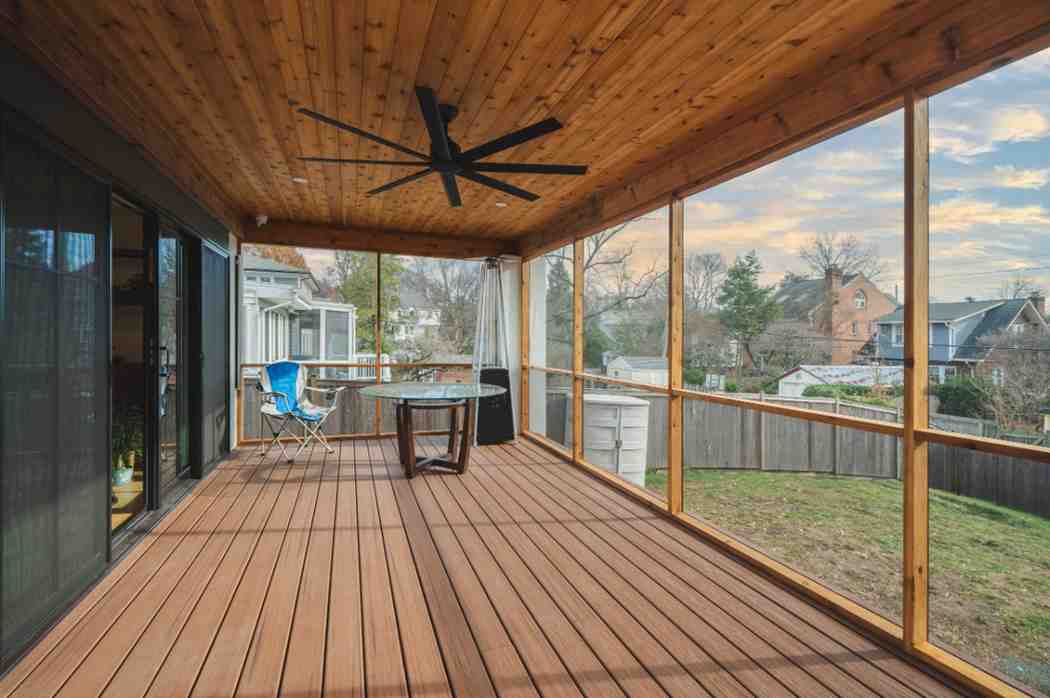
A screened porch is an outdoor structure attached to a home that uses screened walls instead of glass windows. The screens allow fresh air to circulate while blocking insects, leaves, and debris.
Unlike a fully enclosed sunroom, the space remains open and airy. Many homeowners use it as a relaxing extension of the living area.
These porches are often built on an existing house front porch, a backyard deck, or a patio foundation. The design usually includes:
- Structural posts and beams
- Roofing for shade and weather protection
- Walls covered with porch screening materials
- Entry through a screen porch door
- Flooring such as wood decking, tile, or concrete
Because the space stays protected but ventilated, it works well for outdoor dining, lounging, or even working from home during pleasant weather.
Why Screened Outdoor Spaces Matter
Outdoor living areas have become a major selling point in residential real estate. Housing market research from the National Association of Realtors also highlights outdoor living spaces as one of the features many buyers look for in modern homes. Buyers increasingly look for homes that provide usable outdoor environments.
A well designed screened porch offers several advantages:
Comfortable Outdoor Living
Screens keep insects and debris away, allowing homeowners to spend time outside without constant interruptions from mosquitoes or flies.
Better Use of Existing Space
Many homes have decks or patios that are rarely used due to bugs or harsh sun. Enclosing the area with porch screening transforms that space into a functional room.
Strong Appeal for Buyers
Outdoor features can help properties stand out in competitive housing markets. Buyers often see a screened porch as a lifestyle upgrade.
Connection to Nature
The space allows natural airflow and outdoor views while still providing shelter from the weather.
Benefits for Homeowners With Porch Screening
Adding this feature can provide both lifestyle and financial benefits.
Expanded Living Area
While not counted as interior square footage, a screened porch effectively increases the usable space in a home. It becomes an additional room for relaxation or entertainment.
Protection from Weather
A covered porch with proper screening allows homeowners to enjoy outdoor spaces during light rain or strong sunlight.
Flexible Use
These spaces can be adapted for many activities:
- outdoor dining areas
- reading spaces
- family gathering spots
- work-from-home spaces with fresh air
Increased Property Appeal
Real estate agents often highlight outdoor living features when listing homes. A thoughtfully designed screened porch can make a property more attractive to buyers.
Porch Screening Materials and Options
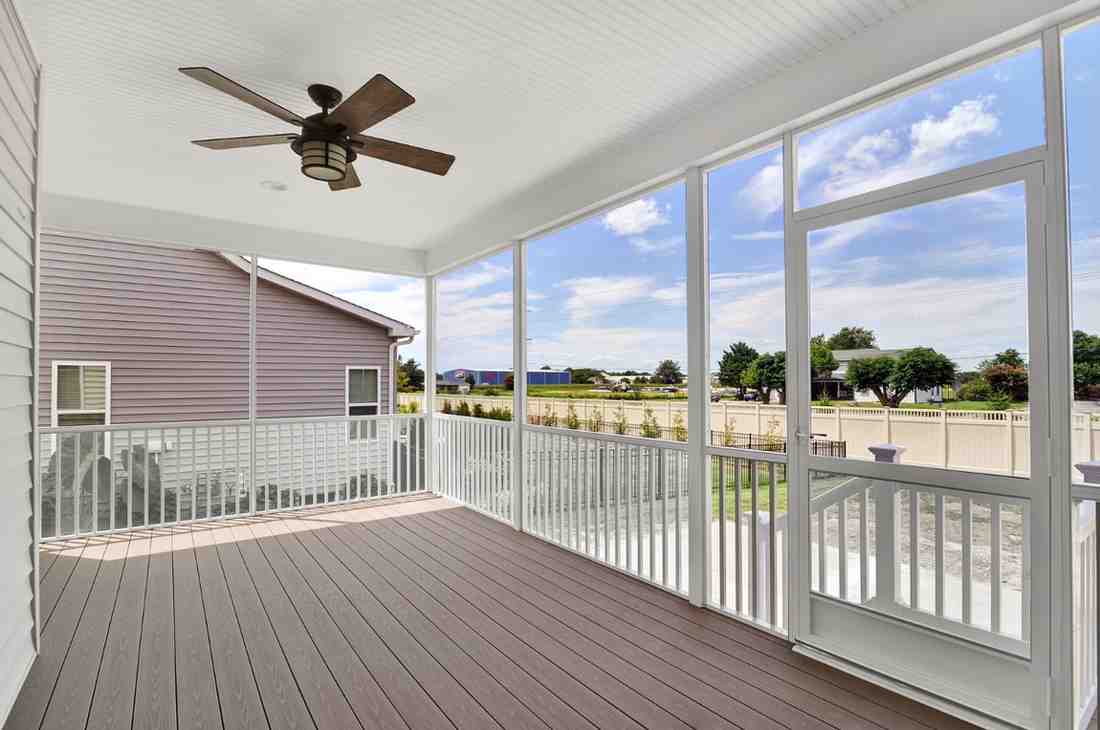
Selecting the right materials is an important part of planning a porch project.
Types of Screening
The most common screen for porch installations use fiberglass mesh, aluminum mesh, or specialty screens designed for durability.
Different types of screen for porch materials offer varying levels of visibility and strength.
Common choices include:
- fiberglass mesh for flexibility and affordability
- aluminum mesh for long-term durability
- pet resistant screens for homes with animals
- solar screens that reduce glare and heat
Choosing the right screen for porch material depends on climate, exposure to sunlight, and household needs.
Porch Screen Panels
Many modern installations use prefabricated porch screen panels that fit directly into the porch frame.
These panels offer several advantages:
- consistent screen tension
- easier installation
- simpler repairs if a panel becomes damaged
Some homeowners prefer modular porch screen panels because individual sections can be replaced without removing the entire screen wall.
Choosing Materials for the Structure
Selecting the right material for screened in porch construction ensures long-term durability.
Typical materials include:
- pressure-treated wood framing
- aluminum structural components
- composite decking for flooring
- corrosion-resistant fasteners
High quality material for screened in porch construction helps the structure withstand weather exposure and daily use.
Screened Porch Design Ideas Using Porch Screening
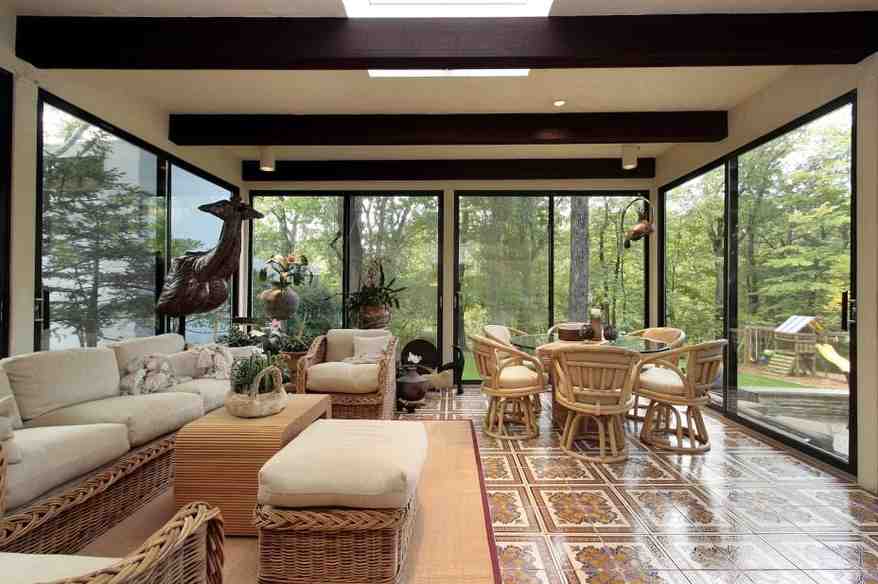
Design can vary widely depending on the home’s architecture and the available space.
Outdoor Dining Area
Many homeowners use a screened porch as an outdoor dining space. Adding a table, chairs, and overhead lighting creates a comfortable place for family meals.
Relaxing Lounge
A cozy seating arrangement with comfortable chairs and soft lighting can turn the porch into a peaceful retreat.
These types of spaces are often inspired by screen porch ideas on a budget, where simple furniture and décor transform the area without major expense.
Budget-Friendly Upgrades
Homeowners looking for screen porch ideas on a budget can focus on simple improvements such as:
- adding ceiling fans for airflow
- installing outdoor rugs
- using soft lighting or lanterns
- placing comfortable seating with weather-resistant cushions
Many attractive designs start with screen porch ideas on a budget that focus on comfort rather than expensive structural upgrades.
Lanai Style Porch
In warmer climates, a lanai porch design is common. A lanai porch usually extends toward the backyard and may include wide openings that connect directly to outdoor living areas.
These spaces often overlook pools or gardens and emphasize airflow and open views.
Installation and Planning Tips For Porch Screening
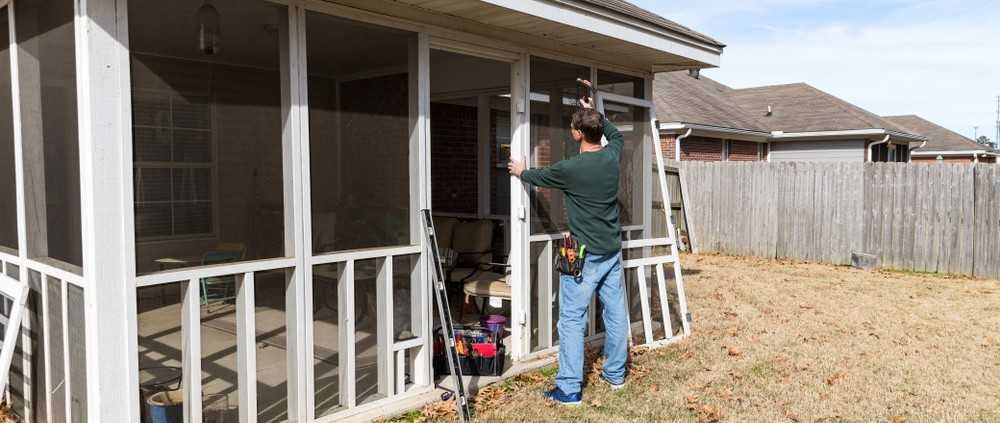
Planning a porch project carefully can help homeowners avoid unnecessary costs or delays.
Consider the Existing Structure
Before building a screened porch, evaluate the existing deck or patio foundation. In some cases, homeowners can build a diy screened in porch using the existing structure.
A diy screened in porch project can reduce costs, especially when the base structure is already stable.
Use Screen Porch Kits
For homeowners interested in DIY construction, screen porch kits simplify the process.
Many screen porch kits include:
- framing components
- connectors and fasteners
- pre-sized screen sections
Using screen porch kits can significantly reduce installation complexity for smaller projects.
Door Placement
Choosing the right location for a screen porch door improves traffic flow and accessibility.
Common placement options include:
- entry from the main house
- direct access to the yard
- connection to a deck or patio
A durable screen porch door should close tightly to prevent insects from entering the space.
Common Mistakes to Avoid
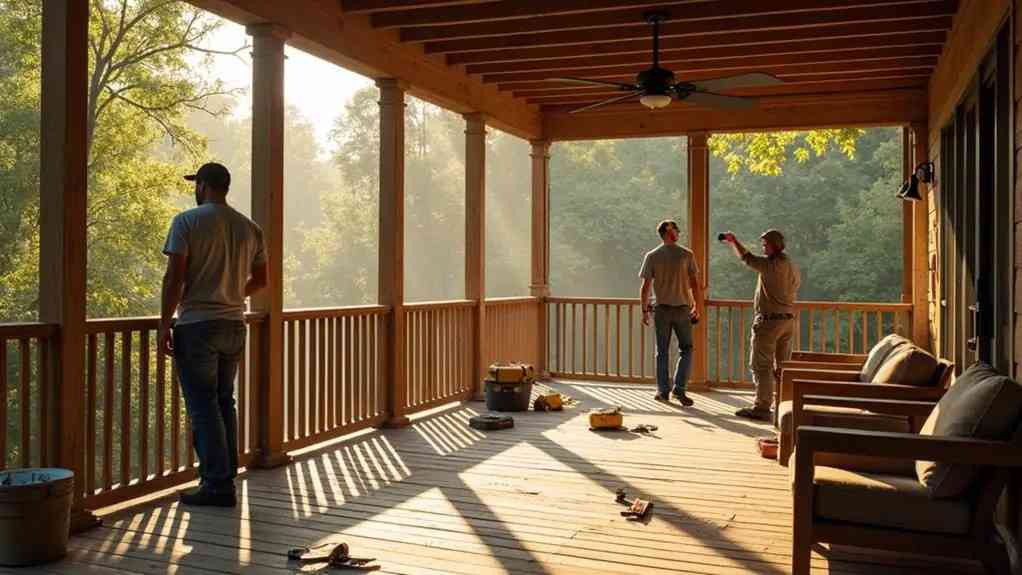
While the concept seems simple, several mistakes can reduce the effectiveness of a porch enclosure.
Ignoring Airflow
A porch that lacks proper ventilation may feel hot during summer months. Ceiling fans and proper screen placement can help maintain airflow.
Using Low Quality Materials
Selecting poor material for screened in porch construction may lead to repairs or structural issues later.
Overcomplicating the Design
Many successful spaces start with screen porch ideas on a budget that prioritize comfort rather than expensive design elements.
Poor Door Placement
An improperly positioned screen porch door can make the space difficult to access or disrupt furniture placement.
Cost Considerations
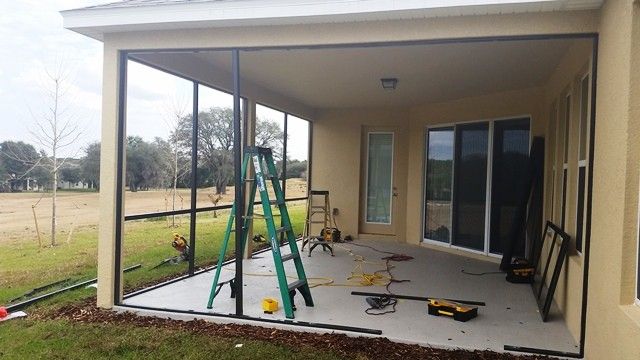
The cost of building a screened porch varies widely depending on size, materials, and labor. Construction standards and building guidelines from the International Code Council can also influence the design and structural requirements of porch projects.
Typical factors that influence cost include:
- foundation or deck preparation
- structural framing
- roofing materials
- installation labor
- type of porch screening system
Estimated project ranges may look like this:
| Project Type | Estimated Cost |
| Small DIY enclosure | $1,500 – $4,000 |
| Medium professional build | $6,000 – $15,000 |
| Large custom porch | $15,000 – $30,000 |
Homeowners using screen porch kits or attempting a diy screened in porch may be able to reduce construction costs.
When a Screened Porch Adds Property Value
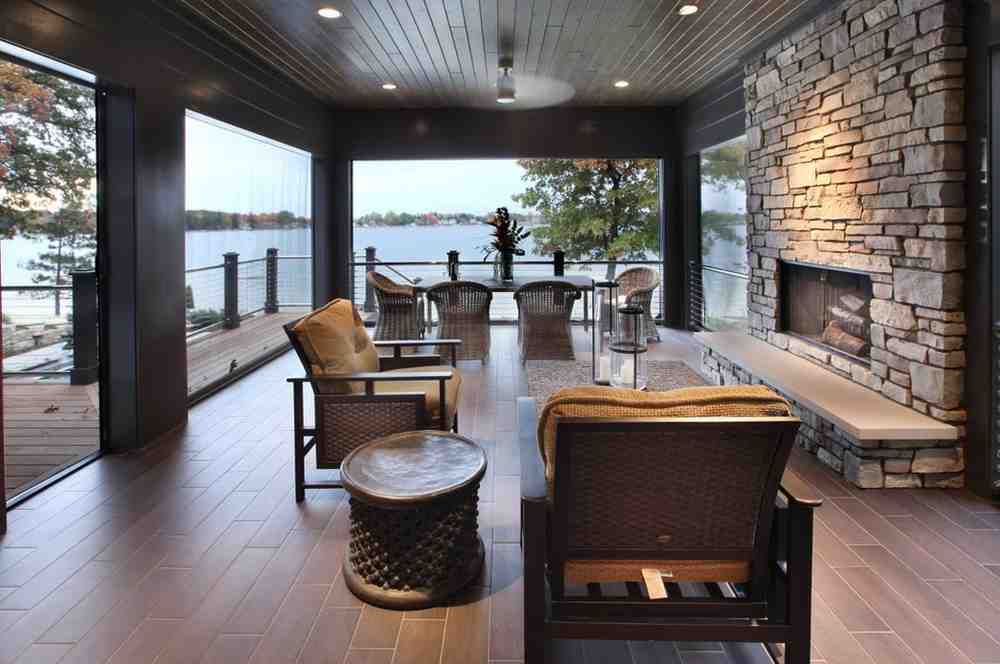
Certain upgrades improve resale value more than others. Outdoor living areas often rank high on that list.
A well built screened porch can add value in several situations:
Homes with Strong Outdoor Views
Properties overlooking gardens, lakes, or wooded areas benefit greatly from outdoor living spaces.
Warm Climate Locations
In regions where outdoor weather remains comfortable for much of the year, buyers appreciate sheltered outdoor areas.
Properties with Limited Yard Space
For homes with smaller yards, a porch enclosure can create a usable outdoor environment without requiring additional land.
Real estate agents often highlight outdoor features when marketing homes, and a thoughtfully designed screened porch can be a major selling point.
Conclusion
Outdoor living spaces continue to grow in popularity, and a well designed screened porch is one of the most practical upgrades homeowners can make.
By combining airflow, protection, and comfortable design, these spaces create an inviting area that can be used throughout the year. With careful planning, the right porch screening materials, and thoughtful design choices, homeowners can transform unused outdoor space into a functional extension of their home.
Whether built using screen porch kits, designed as a lanai porch, or constructed as a custom enclosure, a porch like this offers both everyday enjoyment and long-term value for the property.

