
The price to install central air conditioning is something most homeowners don’t think about until their system starts failing. You don’t notice your cooling system when it’s working. But the moment your home feels warmer than it should—or your energy bill suddenly spikes—you’re forced into decisions you weren’t planning to make. Repair it? Replace it? Or invest in something more efficient? That’s where understanding the price to install central air conditioning becomes critical, especially when you’re weighing long-term comfort against upfront cost.
This guide breaks things down in a way that actually helps you decide—not just understand.
Table of Contents
ToggleUnderstanding HVAC Systems in Modern Homes
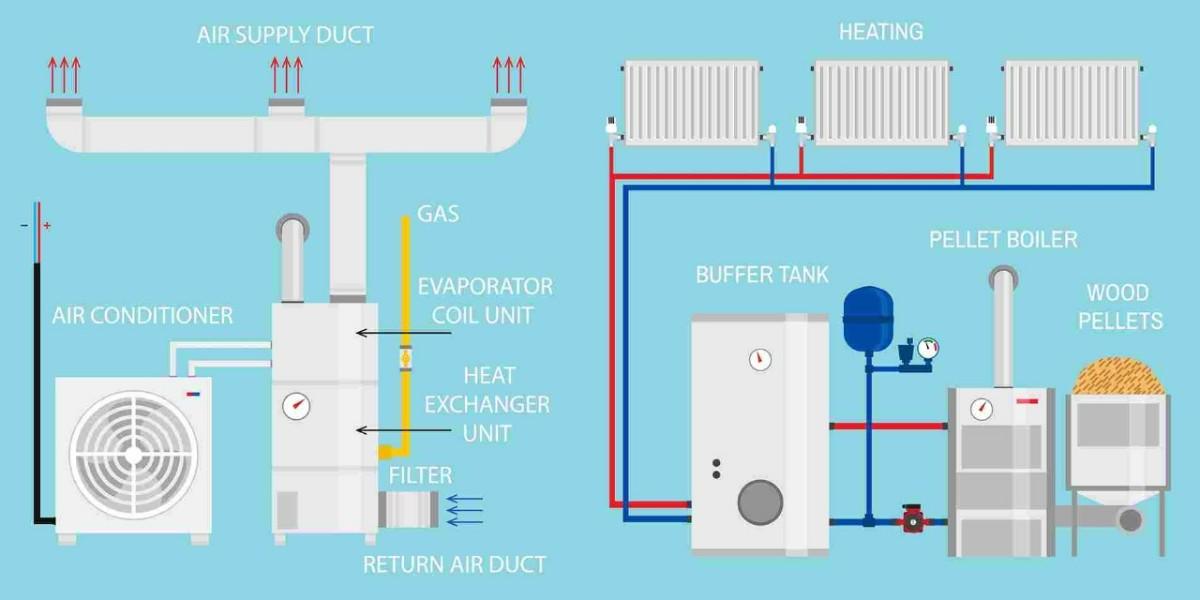
An HVAC system controls heating, ventilation, and air conditioning inside your home. At its core, it does three things:
- Regulates temperature
- Maintains airflow
- Improves indoor air quality
Modern systems are more efficient than older ones, but they also come with more choices. You’re no longer picking between “AC or no AC.” Instead, you’re choosing between:
- Central air systems
- Ductless mini splits
- Heat pumps
- Hybrid systems
Each option has trade-offs. What works in a newly built home may not suit a 30-year-old house with outdated ductwork.
Central AC vs Mini Split Systems
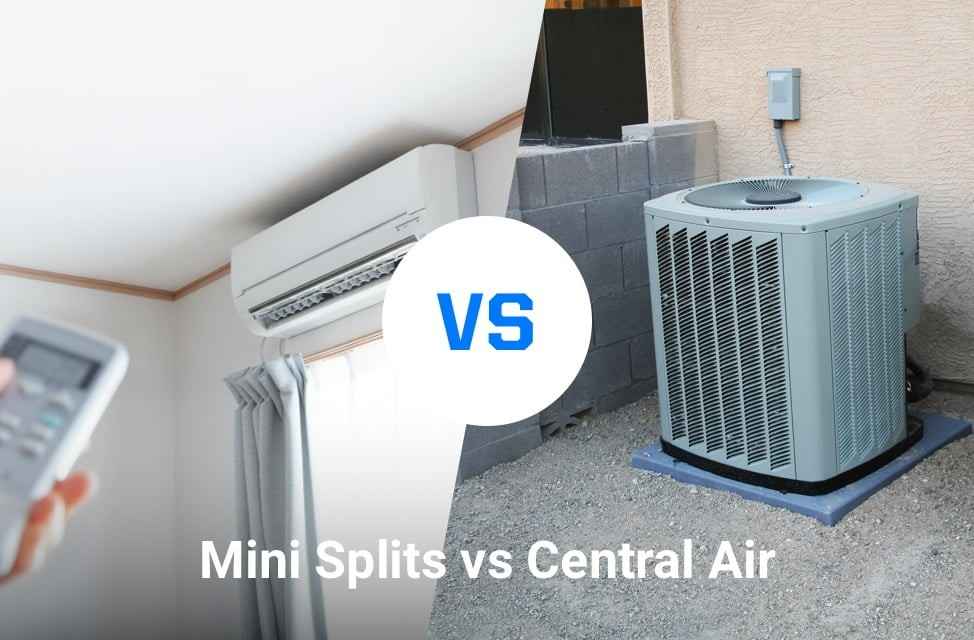
Choosing between central air and a mini split system often comes down to layout, budget, and usage patterns.
Central Air Conditioning
Central systems cool your entire home using a network of ducts. They’re ideal when:
- You want uniform cooling across rooms
- The house already has ductwork
- You prefer a single control system
However, installation can be expensive—especially if ducts need to be added.
Mini Split Systems (Including 6000 BTU Mini Split)
A 6000 BTU mini-split is designed for small rooms like bedrooms or home offices. These systems:
- Don’t require ducts
- Allow room-by-room temperature control
- Are energy-efficient for targeted cooling
They work best when:
- You’re cooling specific zones
- Adding AC to older homes
- Avoiding major renovation work
Insight: Many homeowners combine central AC with mini-splits—central AC for main areas and mini-splits for problem rooms.
What Is a 3.0 Ton AC and How to Choose the Right Size
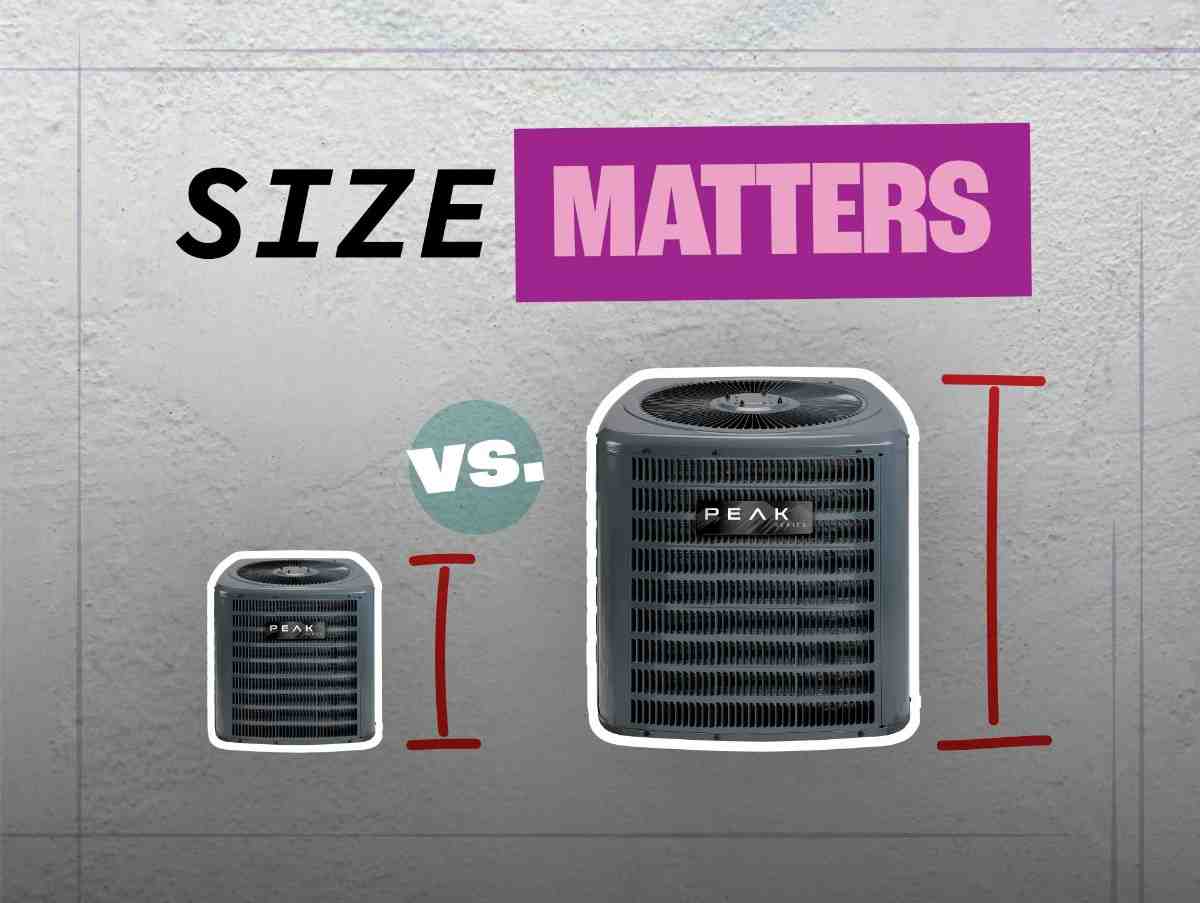
A 3.0 ton ac doesn’t weigh three tons—it refers to cooling capacity.
- 1 ton = 12,000 BTUs
- 3 tons = 36,000 BTUs
This size typically works for homes around 1,500 to 2,000 sq ft, depending on insulation and climate.
Choosing the Right Size
Oversizing or undersizing creates problems:
- Too small → system runs constantly
- Too large → short cycling, higher bills
Factors that affect sizing:
- Ceiling height
- Sun exposure
- Number of windows
- Insulation quality
Rule of thumb: Always get a load calculation done instead of guessing.
Price to Install Central Air Conditioning (Detailed Breakdown)

The price to install central air conditioning depends on several variables. There’s no one-size answer, but realistic ranges help.
Average Cost Range
- Basic installation: $3,500 – $6,000
- Mid-range systems: $6,000 – $10,000
- High-end or complex installs: $10,000 – $15,000+
Cost Breakdown
- Equipment: 40–50%
- Labor: 40–60%
- Permits and extras: 5–10%
Installation Factors That Affect Cost
- Size of your home
- Existing ductwork condition
- Electrical upgrades required
- Accessibility (attic, crawl space, etc.)
Old vs New Homes
Older homes usually cost more because:
- Ductwork may not exist
- Electrical systems may need upgrades
- Structural adjustments may be required
Insight: Retrofitting an older home can increase costs by 20–40%, but it often improves resale value.
Choosing An Aircon Brand: Install Central Air Conditioning Decision
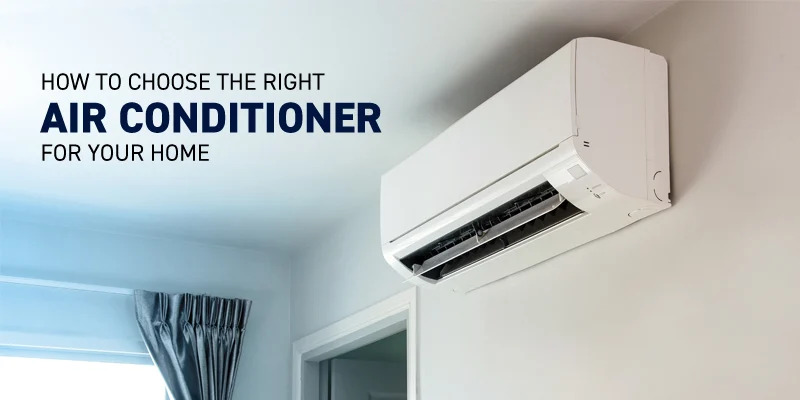
Picking a good aircon brand isn’t just about the name—it’s about performance and support.
What to Look For
- Energy efficiency (SEER rating)
- Warranty coverage
- Availability of service technicians
- Noise levels
Common Mistake
Many buyers choose based on price alone, including the price to install central air conditioning. A cheaper unit can cost more over time due to:
- Frequent repairs
- Higher electricity usage
Insight: Installation quality matters more than brand in many cases.
Common HVAC Problems
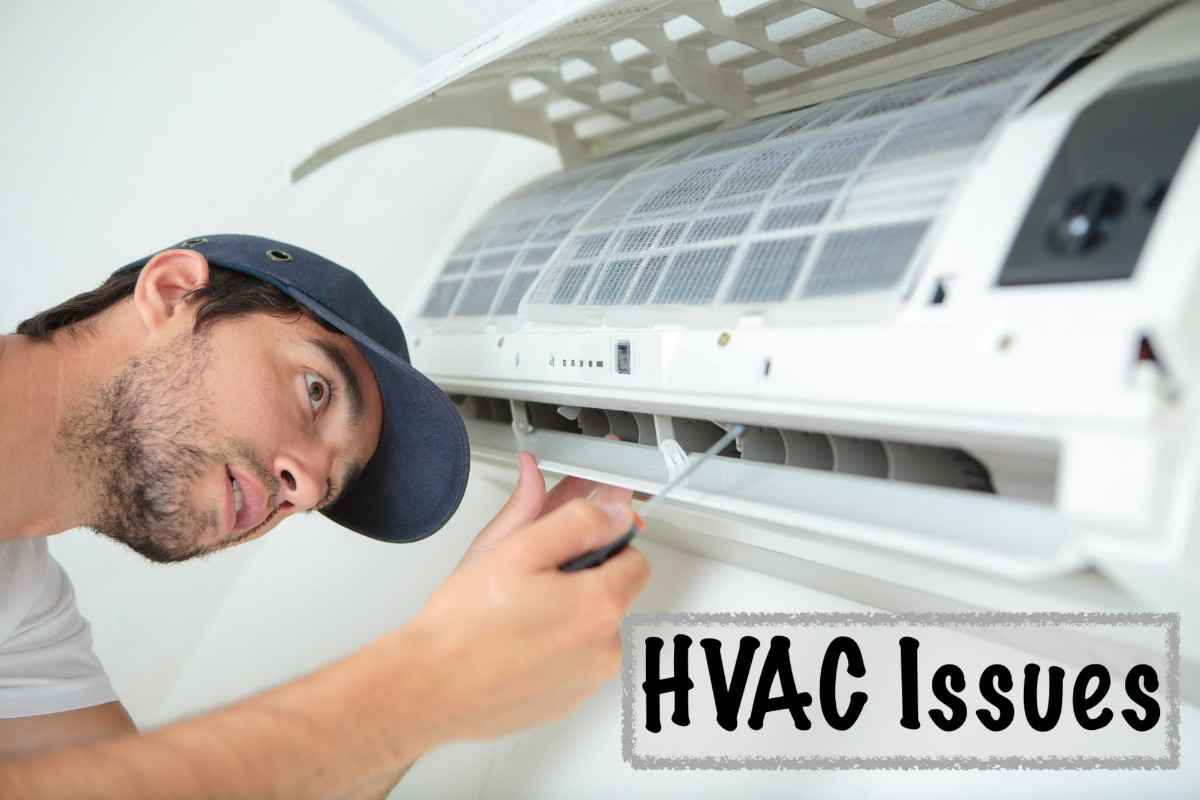
Even well-installed systems develop issues over time.
Heater Not Working
When your heater not working, the cause is often simpler than expected:
- Thermostat issues
- Dirty filters
- Ignition problems
Start with basic checks before calling a technician.
AC Mould Issues
AC mould is more common than people realize, especially in humid climates.
Signs include:
- Musty smell
- Reduced airflow
- Visible buildup near vents
Causes:
- Moisture accumulation
- Poor drainage
- Dirty filters
Action step: Clean filters regularly and schedule annual maintenance.
Is Duct Cleaning a Waste of Money (Honest Answer)

The question is duct cleaning a waste of money doesn’t have a simple yes or no answer.
When It’s Worth It
- Visible dust or debris in ducts
- After renovation work
- Mold contamination
When It’s Not
- Routine cleaning with no visible issues
- Marketing-driven upsells
Insight: Regular filter changes often do more for air quality than duct cleaning.
Working with HVAC Partners and Contractors
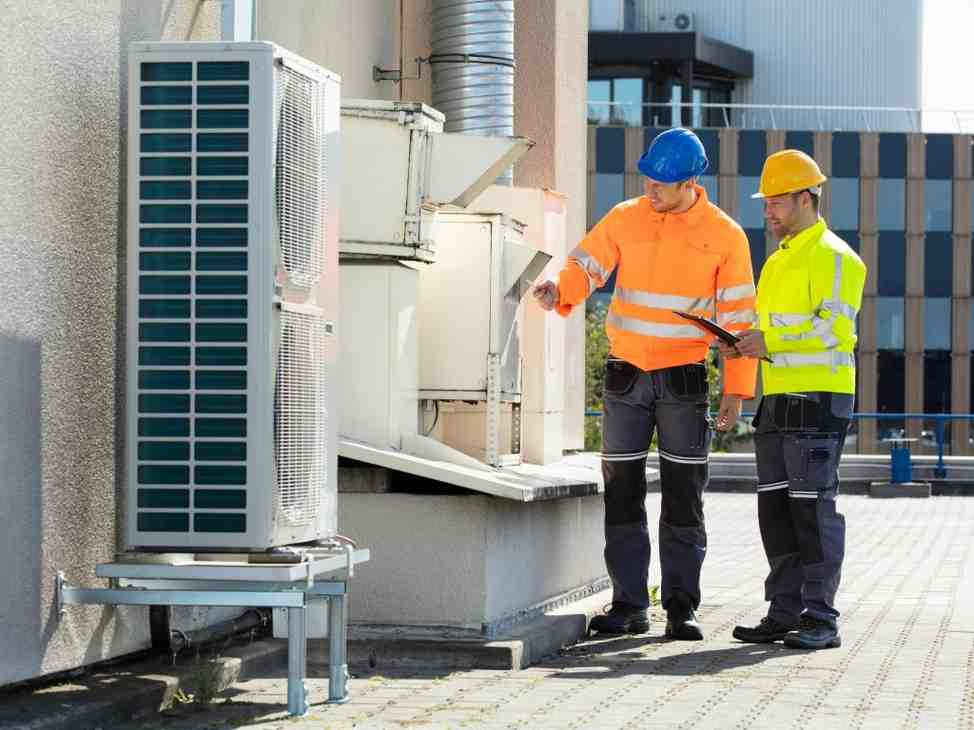
Choosing the right HVAC partners can make or break your installation.
What to Look For
- Proper licensing
- Transparent pricing
- Written estimates
- Good reviews
Questions to Ask
- What size system do you recommend and why?
- What’s included in the estimate?
- How long will installation take?
Tip: Avoid contractors who give quotes without inspecting your home.
Simple Cooling Hacks
Sometimes, small adjustments make a noticeable difference.
Which Direction Should Ceiling Fan Go in Summer While Considering the Price to Install Central Air Conditioning
A common question is which direction the ceiling fan go in summer.
- Summer setting: Counterclockwise
- Purpose: Push cool air downward
This creates a wind-chill effect, making the room feel cooler without lowering the thermostat.
Additional Tips
- Close blinds during peak sunlight
- Use programmable thermostats
- Seal air leaks around windows
When to Repair vs Replace Your System
This is where most homeowners struggle.
Repair If:
- The system is under 10 years old
- The repair cost is minor
- Performance is still decent
Replace If:
- The system is over 12–15 years old
- Repairs are frequent
- Energy bills are rising
Rule: If repair costs exceed 30–40% of replacement cost, consider upgrading.
FAQ Section
How long does price to install central air conditioning installation take?
Most installations take 1 to 3 days, depending on complexity.
What size AC do I need?
It depends on square footage, insulation, and layout. A professional load calculation is recommended.
Are mini splits cheaper than central AC?
Yes, upfront costs can be lower, especially for small spaces. However, whole-home coverage may require multiple units.
How often should HVAC be serviced?
At least once a year, ideally before peak summer or winter.
Does duct cleaning improve air quality?
Only in specific cases like mold or heavy dust buildup. Otherwise, regular maintenance is usually enough.
Conclusion
Choosing the right HVAC system isn’t about picking the most powerful unit or the cheapest option. It’s about understanding your home, your usage, and your long-term goals.
If you’re evaluating the price to install central air conditioning, don’t stop at the number. Look at:
- Efficiency over time
- Installation quality
- Maintenance requirements
The right decision today can save thousands over the next decade—and make your home consistently comfortable without constant adjustments.
Start by assessing your current system, get multiple quotes, and focus on solutions that fit your space—not just your budget.