

A buyer touring a home in a suburban neighborhood might ask a simple question: why is this property priced at $455,000 when another house down the street sold for $430,000 last month? The answer usually lies in several pricing metrics used throughout the real estate industry. Agents, appraisers, and buyers rely on recent sold homes data, square footage calculations, tax structures, and neighborhood comparisons to determine what a home is worth.
Among these tools, recently sold homes provide one of the most reliable signals of market value. When multiple properties in the same neighborhood sell within a similar price range, they establish a baseline for future listings.
However, sales comparisons are only part of the picture. Buyers also examine price per square foot, property tax rates, lot sizes, renovation costs, and neighborhood demand. Understanding these factors can help buyers avoid overpaying and help sellers price their homes more competitively.
This guide explains how real estate professionals analyze property value and how buyers can use the same information to make more informed decisions.
Why Recently Sold Homes Matter in Real Estate Pricing
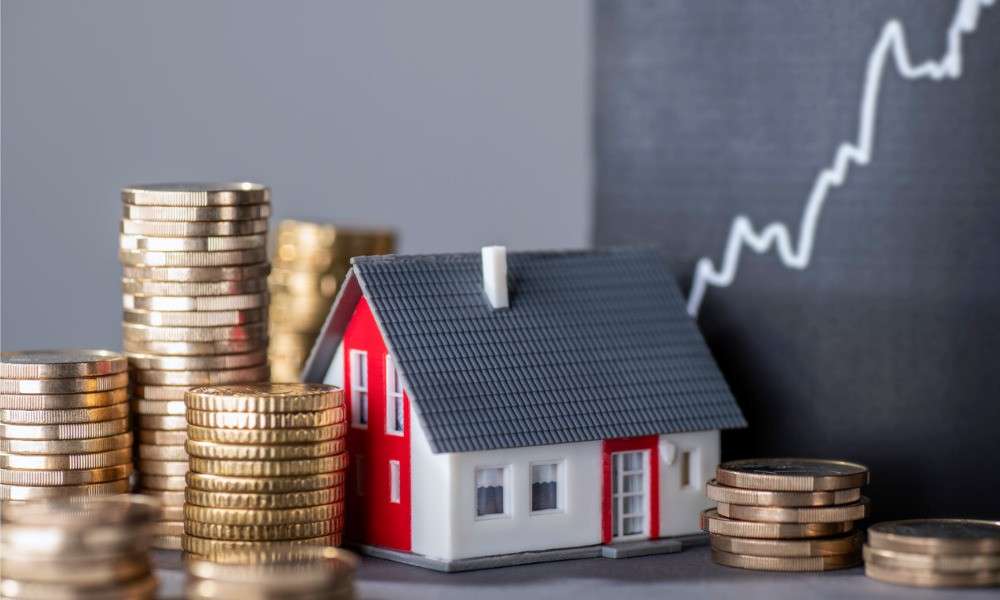
When determining a home’s value, the first place agents typically look is at recently sold homes in the surrounding area. These properties provide real evidence of what buyers have been willing to pay.
Unlike active listings, which reflect seller expectations, closed transactions reveal actual market behavior.
How Agents Use Recently Sold Homes as Comparable Sales
Agents often refer to comparable properties as “comps.” These are homes that closely resemble the property being evaluated.
A typical comparable property will share several characteristics:
- similar square footage
- similar number of bedrooms and bathrooms
- similar lot size
- location within the same neighborhood
For example, if three recently sold homes in a neighborhood closed between $420,000 and $445,000, a comparable home may realistically list within that range.
If the property includes upgrades such as a renovated kitchen or larger backyard, the price may increase accordingly.
Why Timing Matters
The timing of sales also affects price comparisons. Real estate markets change quickly. A property that sold six months ago may not reflect current market conditions.
Agents generally prioritize recently sold homes within the past 90 to 180 days because they best represent current demand.
Using Recently Sold Homes to Compare Price Per Square Foot

Another common metric used in property valuation is price per square foot.
Price Per Square Foot by Zip Code from Recently Sold Homes
Real estate markets vary widely across neighborhoods. As a result, price per square foot by zip code can change dramatically even within the same city.
For example:
- Suburban homes may average $180 per square foot
- Urban areas may reach $350 per square foot
- Luxury neighborhoods may exceed $500 per square foot
Analyzing price per square foot by zip code helps buyers compare properties across different neighborhoods.
How Do I Calculate Price Per Square Foot
Many buyers ask how do i calculate price per square foot when comparing homes.
The calculation is straightforward:
- Take the property’s sale price.
- Divide it by the home’s total square footage.
Example:
- Sale price: $420,000
- Square footage: 2,100 sq ft
Price per square foot = $200
Understanding how do i calculate price per square foot allows buyers to evaluate whether a property is priced fairly relative to nearby homes.
How Square Footage Is Measured
Before calculating value per square foot, it’s important to understand how is square footage calculated.
Standard Measurement Methods
Professional appraisers and builders follow specific guidelines when measuring residential property.
Typical measurements include:
- interior finished living space
- heated areas
- above-grade rooms
Areas usually excluded from calculations include:
- garages
- unfinished basements
- outdoor patios
Understanding how is square footage calculated ensures buyers compare homes using consistent standards.
Measurement Example Using Recently Sold Homes
Imagine two homes listed for $400,000.
Home A includes:
- 2,000 square feet of finished living space
- 400 square feet of garage
Home B includes:
- 1,700 square feet of finished space
- 300 square feet of garage
Because garages are not included in living space calculations, the actual price per square foot may differ significantly between the two properties.
Property Taxes and Millage Rates
Another factor affecting home ownership costs involves local property taxes.
What Is a Millage Rate
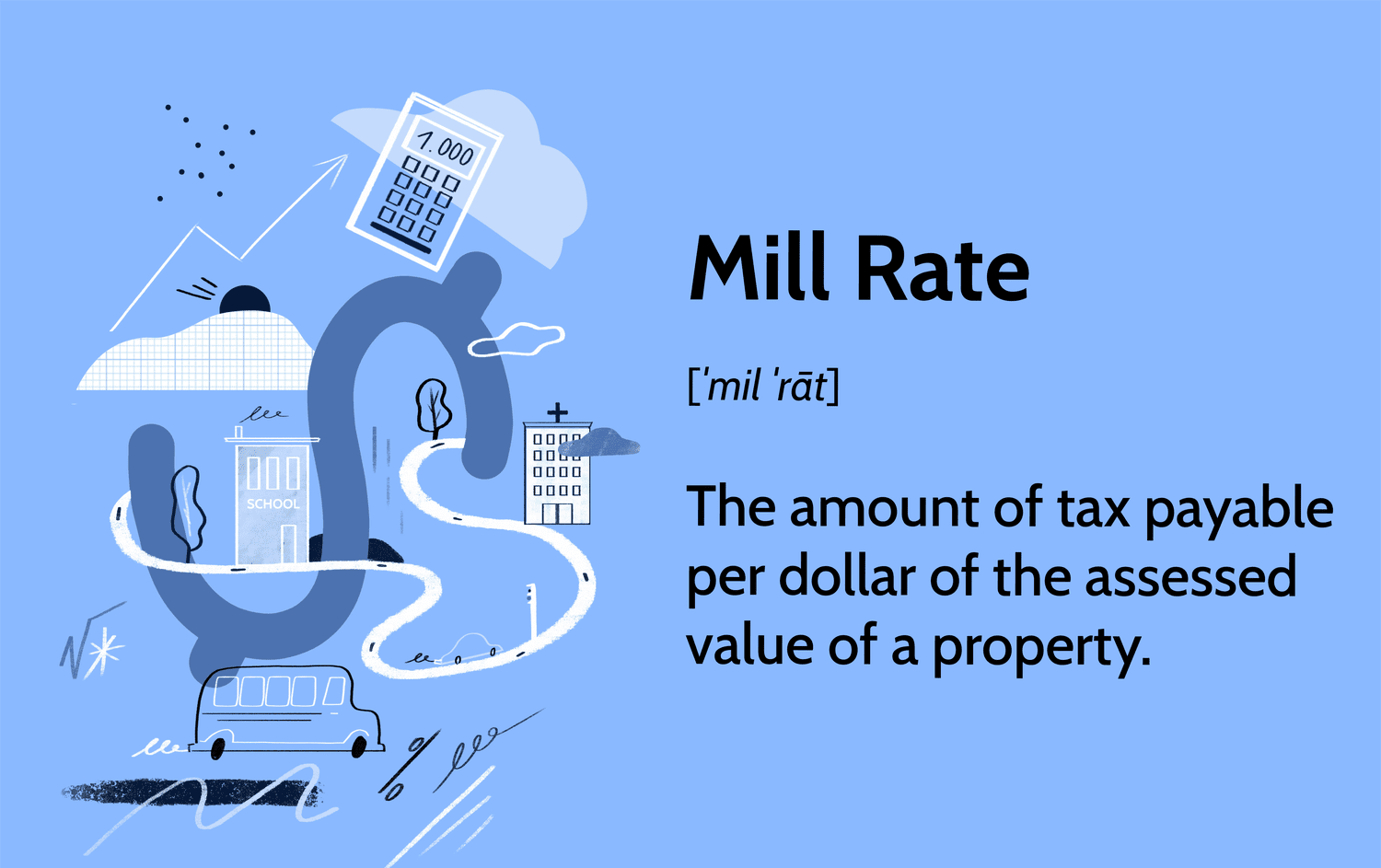
A millage rate determines how much property tax homeowners pay relative to the value of their property.
One mill equals $1 in tax for every $1,000 of property value.
For example:
- property value: $350,000
- millage rate: 20 mills
Annual property tax would equal: $350,000 × 0.020 = $7,000
Understanding what is a millage rate helps buyers estimate long-term housing costs beyond the purchase price.
How Taxes Affect Housing Prices
Higher taxes may reduce affordability for buyers.
If two identical homes sell for the same price but one sits in an area with higher millage rates, buyers may choose the lower-tax location.
This tax difference can influence demand and ultimately affect property values.
Land Size and Property Value
Lot size also affects property value. Larger lots provide more privacy and development potential.
Half an Acre in Square Feet
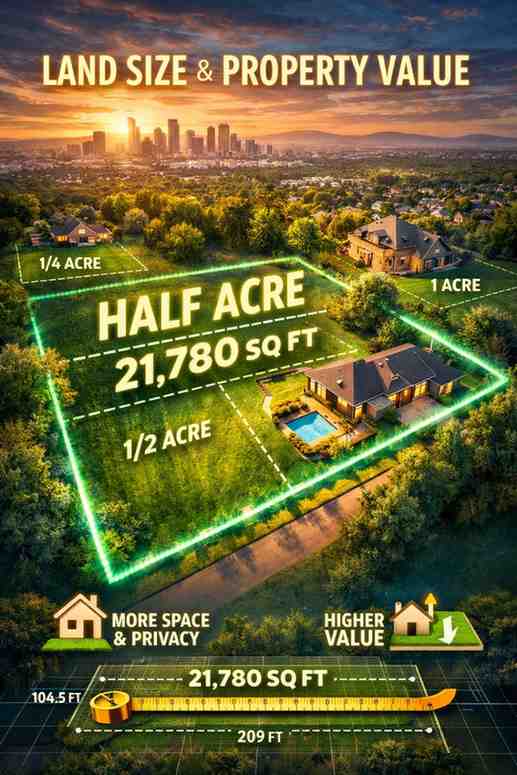
Buyers often ask how much land they are actually purchasing. A common question involves half an acre in square feet.
One acre equals 43,560 square feet.
Therefore: Half an acre = 21,780 square feet
Understanding half an acre in square feet helps buyers visualize property size when comparing listings.
Why Land Size Matters
Homes located on larger lots may sell for higher prices, particularly in suburban areas.
For example:
- a home on 0.25 acres may sell for $420,000
- the same home on 0.5 acres could sell for $445,000
The difference reflects the added value of land.
Renovation and Alternative Housing Costs

Property value is also influenced by potential renovations and accessory structures.
Granny Pods Cost
Accessory dwelling units, sometimes called granny pods, have become popular for multi-generational living.
Typical granny pods cost ranges include:
- prefabricated units: $80,000–$120,000
- custom-built units: $120,000–$250,000
These structures may increase property value when local zoning allows accessory housing. However, buyers must confirm local building codes before investing.
Estate Sales and Local Market Examples
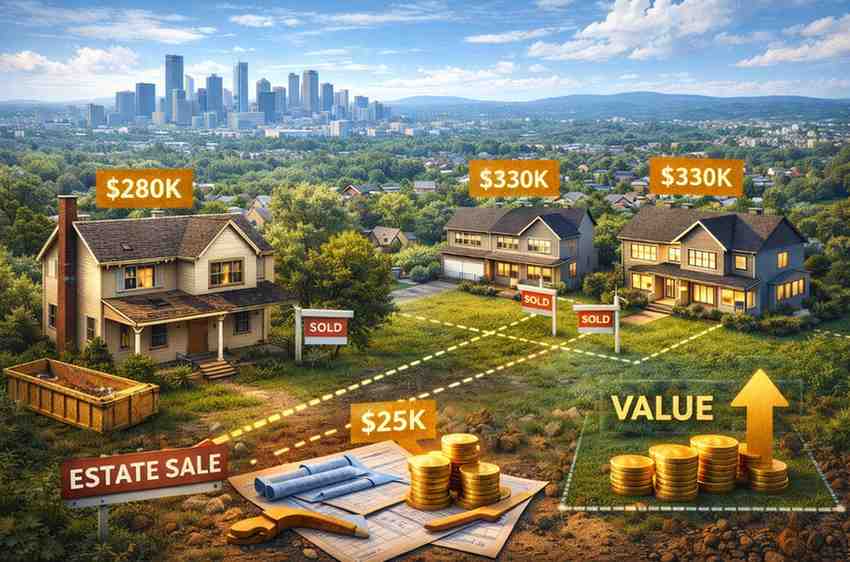
In certain neighborhoods, estate sales provide opportunities for buyers seeking discounted properties.
PGH Estate Sales
In Pittsburgh, for example, pgh estate sales sometimes include homes sold below market value when families liquidate inherited property.
These homes may require renovations but can offer strong value for buyers willing to invest in improvements.
Example Scenario
Imagine a property listed through pgh estate sales for $280,000, while nearby recently sold homes average $330,000.
If renovation costs total $25,000, the buyer could potentially gain equity once the property reaches neighborhood price levels.
Neighborhood Pricing Trends from Recently Sold Homes
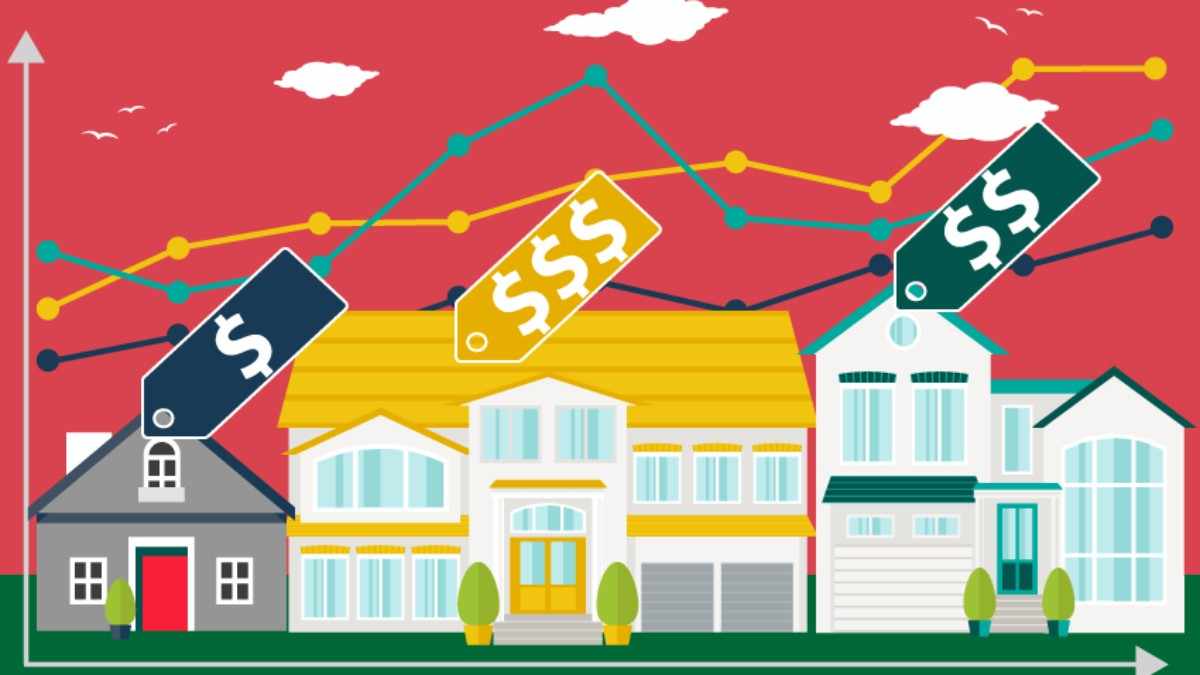
Local streets can sometimes influence pricing more than entire zip codes.
Example: Oak Wood Dr
Consider a neighborhood street such as oak wood dr.
If three homes on oak wood dr recently sold between $395,000 and $420,000, a new listing may fall within that range. However, small differences matter.
Homes on oak wood dr with updated kitchens, finished basements and larger lots may sell for higher prices than nearby properties without upgrades.
How Recently Sold Homes Help Buyers Avoid Overpaying
Many buyers rely on simple comparisons when evaluating home prices. However, several mistakes can lead to inaccurate conclusions.
Ignoring Renovation Differences
Two homes with identical square footage may have very different values depending on renovation quality.
Overlooking Property Taxes
Failing to consider what is a millage rate can lead to underestimating long-term costs.
Comparing Homes Across Neighborhoods
Even small geographic differences can change price per square foot by zip code dramatically. Understanding local trends is essential.
Practical Steps for Evaluating Home Prices Using Recently Sold Homes
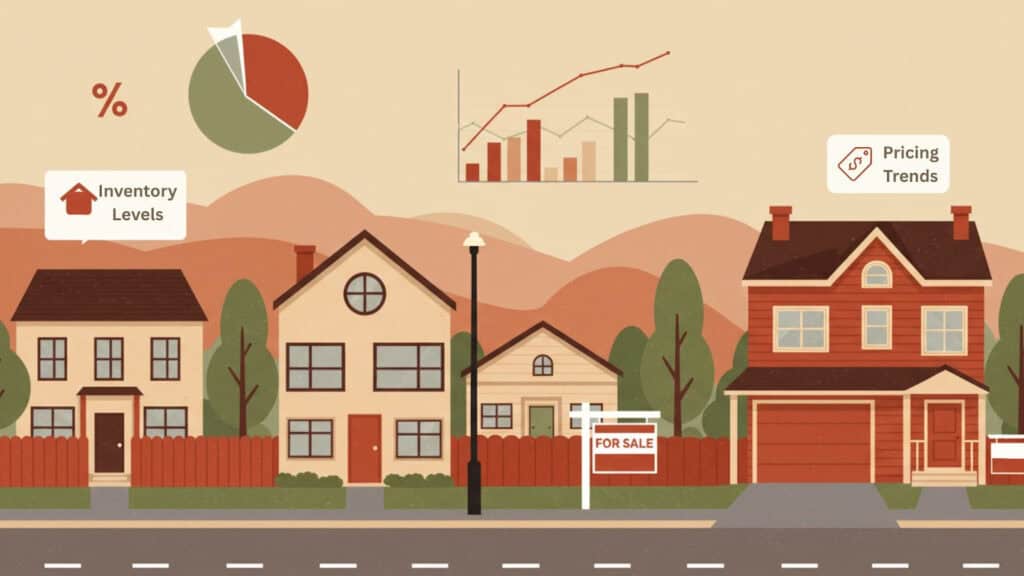
Buyers can analyze property values more effectively by following a structured approach.
Step 1: Review Comparable Sales
Look at recently sold homes within the same neighborhood and price range.
Step 2: Calculate Price Per Square Foot
Use the formula discussed earlier to compare properties objectively.
Step 3: Evaluate Renovation Costs
Consider upgrades such as kitchens, bathrooms, or accessory structures.
Step 4: Review Local Taxes
Understanding what is a millage rate can reveal additional ownership costs.
Step 5: Consider Lot Size
Visualizing half an acre in square feet helps determine how much land the property actually includes.
These steps provide a more complete picture of property value.
FAQ About Home Value and Recently Sold Homes
How do agents estimate property value?
Agents analyze comparable properties, recent sales, property size, renovation quality, and local market demand.
How accurate is price per square foot?
Price per square foot offers a useful benchmark, but it cannot fully account for renovations, location, or unique features.
What affects home values the most?
Location, property condition, neighborhood demand, taxes, and comparable sales usually have the greatest influence on value.
How do taxes affect home prices?
Higher property taxes increase monthly ownership costs, which can reduce buyer demand and influence pricing.
What is the average cost of a granny pod?
Typical granny pods cost between $80,000 and $250,000 depending on size and customization.
Conclusion
Property pricing involves far more than a listing price. Real estate professionals evaluate homes using multiple metrics including recently sold homes, square footage calculations, neighborhood trends, tax rates, and renovation potential.
Understanding these factors helps buyers interpret listings more accurately and negotiate with confidence.
By reviewing comparable sales, analyzing price per square foot, considering land size, and evaluating property taxes, buyers can develop a clearer picture of what a home is truly worth.
In competitive housing markets, this knowledge can make the difference between overpaying and making a smart real estate investment.


