
A listing shows “under contract,” and your agent tells you there might still be a chance. Another home is marked “pending,” and suddenly you’re told not to bother—it’s as good as sold. For many buyers, these labels feel interchangeable. They’re not. Understanding under contract vs pending can change how you approach offers, timing, and even which homes you choose to pursue.
What Does “Under Contract” Mean In Real Estate
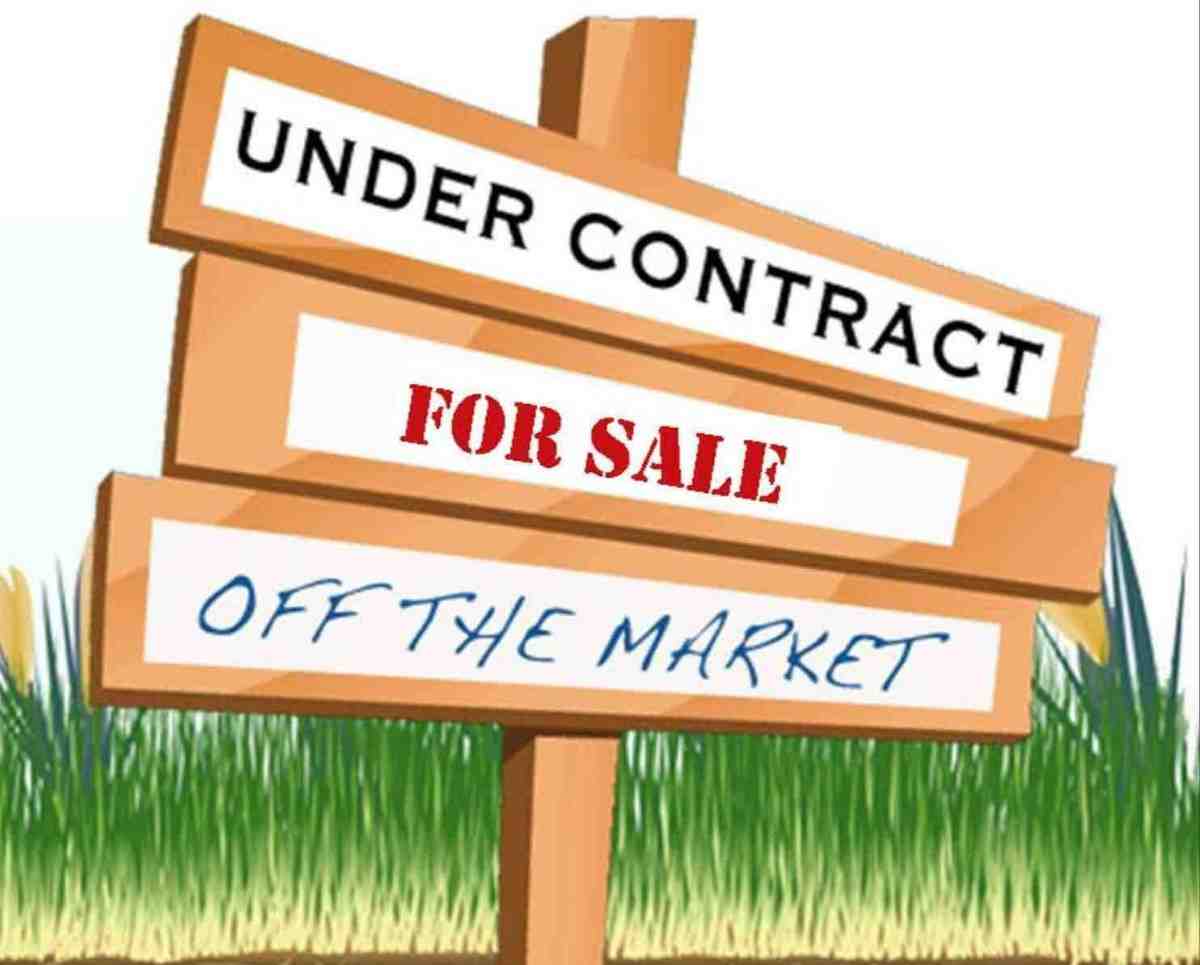
When a home is marked “under contract,” it means the seller has accepted an offer from a buyer. However, the deal is not finalized yet. There are still steps to complete before closing.
In simple terms, under contract means the buyer and seller have agreed on price and basic terms—but several conditions, called contingencies, must still be satisfied.
These contingencies typically include:
- Home inspection
- Financing approval
- Appraisal
- Title verification
If any of these fall through, the deal can collapse.
Real-World Example
Imagine a buyer offers $400,000 on a home. The seller accepts, and the listing changes to “under contract.” During inspection, major foundation issues are discovered. The buyer backs out. The home returns to the market.
This is why homes in this stage are not fully “off-limits.”
What Does “Pending” Mean In Real Estate
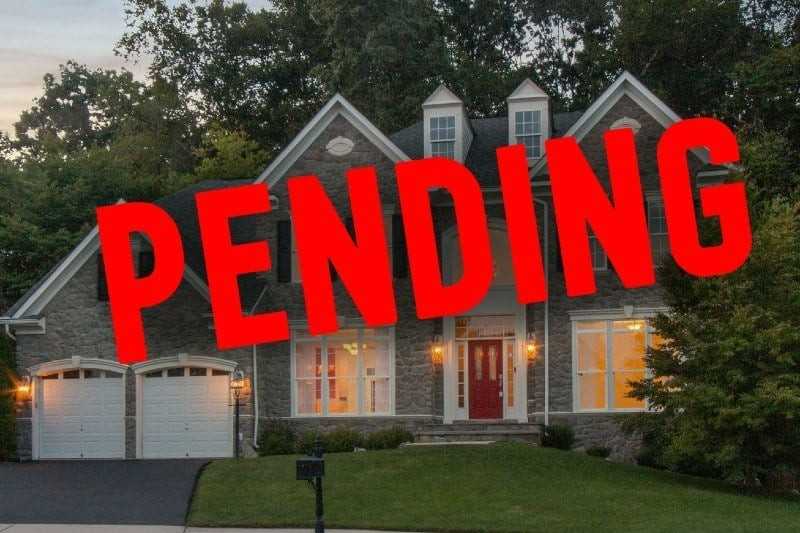
A property marked “pending” is further along in the transaction. It signals that all major contingencies have been resolved and the deal is nearing closing.
At this stage:
- The inspection is complete
- Financing is secured
- The appraisal has cleared
- The buyer is committed
In most cases, a pending home is very unlikely to return to the market.
Why It Matters
While “under contract” leaves room for uncertainty, “pending” suggests a high level of confidence that the deal will close.
Under Contract Vs Pending: The Core Difference
Understanding under contract vs pending comes down to where the deal stands in the process and how likely it is to succeed.
Stage of the Transaction
- Under contract: Early to mid-stage
- Pending: Final stage before closing
An under-contract home still has hurdles to clear. A pending home has already passed most of them.
Level of Deal Certainty
- Under contract: Moderate certainty
- Pending: High certainty
Deals fall apart more often in the earlier stage. Once a property moves to pending, failure rates drop significantly.
Buyer and Seller Flexibility
- Under contract: More flexibility
- Pending: Limited flexibility
In an under-contract scenario, buyers can still negotiate repairs or back out. Sellers might accept backup offers. In a pending stage, both parties are typically locked in.
Timeline: From Listing To Closing
Understanding the timeline helps clarify pending vs under contract and why these statuses exist.
Here’s a typical progression:
- Active listing
- Offer submitted
- Offer accepted → Under contract
- Inspection and contingency period
- Financing and appraisal
- All conditions cleared → Pending
- Final walkthrough
- Closing
The under-contract phase can last 1–3 weeks, depending on inspections and negotiations. The pending phase usually lasts 1–2 weeks before closing.
Can You Still Make An Offer On A Home That Is Under Contract
Yes, in many cases, you can still submit an offer on a home that is under contract.
This is often called a backup offer.
When It Makes Sense
You might consider this if:
- The deal has complex contingencies
- The inspection hasn’t been completed
- The home has returned to market previously
- The market is highly competitive
What Happens Next
If the current deal falls through, your offer becomes active without needing to renegotiate from scratch.
However, there’s a catch. Not all sellers accept backup offers, and some agents discourage them if the deal looks strong.
Can You Make An Offer On A Pending Home
Technically, yes—but practically, it’s rare.
Once a property is pending:
- The seller is committed
- Legal paperwork is advanced
- The buyer has invested time and money
Most sellers will not entertain new offers at this stage.
When Exceptions Happen
There are rare situations where:
- Financing fails at the last minute
- Legal issues arise
- The buyer defaults
In such cases, the home may return to the market. However, relying on this is not a solid strategy.
Why Deals Fall Through
Even though pending deals are more stable, transactions can still fail.
Common reasons include:
- Financing denial
- Low appraisal value
- Major inspection issues
- Title complications
- Buyer’s personal circumstances
Real Numbers Insight
Industry data suggests that roughly 5–10% of real estate deals fall through before closing. Most failures occur during the under-contract phase, not when the home is pending.
This is why understanding contract pending vs under contract helps you decide where to focus your effort.
What Buyers Should Do In Each Situation
Knowing how to react based on status is where this knowledge becomes useful.
When a Home Is Under Contract
- Ask your agent about contingencies
- Submit a strong backup offer if interested
- Monitor the listing for status changes
- Stay ready to act quickly
When a Home Is Pending
- Shift focus to other properties
- Ask to be notified if it falls through
- Avoid waiting unless inventory is extremely limited
Strategic Insight
Serious buyers don’t wait on uncertain opportunities. They stay active and pursue multiple options.
What Sellers Should Understand About These Statuses
Sellers also benefit from understanding how these labels influence buyer behavior.
Under Contract Phase
- You may still receive interest
- Backup offers can provide security
- Transparency about contingencies builds trust
Pending Phase
- Your deal appears nearly complete
- Buyer confidence increases
- Marketing efforts typically stop
However, sellers should still be prepared for unexpected issues until closing is complete.
Common Misconceptions About Contract Status
Many buyers misunderstand these terms, which leads to missed opportunities or wasted time.
Misconception 1: Under Contract Means Sold
Not true. Deals can still fail at this stage.
Misconception 2: Pending Homes Never Come Back
Rare, but it happens. However, it’s not something you should rely on.
Misconception 3: You Can’t Compete Once a Home Is Under Contract
You can still submit a backup offer and position yourself strategically.
Misconception 4: All Listings Follow the Same Definitions
Different MLS systems and agents may use slightly different terms. Always confirm the exact meaning with your agent.
FAQ Section
Is pending better than under contract in the context of under contract vs pending?
Yes. Pending indicates the deal is closer to closing and has fewer risks compared to an under-contract status.
Can a house go from pending back to available when comparing under contract vs pending?
Yes, although it’s uncommon. This usually happens due to financing issues or legal complications.
What does under contract means for buyers in under contract vs pending situations?
It means a buyer has secured the property, but the deal is still subject to conditions like inspection and financing.
How long does a house stay under contract vs pending?
Typically 1–2 weeks, depending on closing timelines and final approvals.
Should I wait for an under contract vs pending home?
Only if you have limited options or strong interest in that property. Otherwise, continue exploring active listings.
Conclusion
Understanding under contract vs pending isn’t just about terminology—it’s about making smarter decisions in a competitive market.
Here’s the practical takeaway:
- Under contract = opportunity still exists, but uncertain
- Pending = Deal is nearly done, so availability is unlikely.
If you’re buying, don’t assume a property is off the table just because it’s under contract. At the same time, don’t wait on a pending deal unless you’re prepared for a long shot.
The smartest approach is simple:
- Stay informed about listing statuses
- Act quickly when opportunities arise
- Keep multiple options open
That’s how experienced buyers move—decisively, not emotionally.