
Choosing the best HVAC system for your home can affect comfort, energy efficiency, and long-term maintenance costs. HVAC systems control heating, ventilation, and air conditioning to maintain a stable indoor climate.
Homeowners often ask questions like:
- Which HVAC system is most efficient?
- How much does a central air system cost?
- Why is my AC blowing hot air?
- Which air conditioner brands should I avoid?
This guide explains HVAC system types, costs, common problems, and reliable options to help you choose the right system for your home.
Table of Contents
ToggleWhat Is an HVAC System?

HVAC stands for Heating, Ventilation, and Air Conditioning. It regulates indoor temperature, airflow, and humidity to maintain comfort inside a building. Proper ventilation can also help eliminate a musty smell in a house caused by excess moisture and poor air circulation.
A typical HVAC system includes:
- Air conditioner or heat pump
- Furnace or heating system
- Ductwork for air distribution
- Thermostat for temperature control
- Air filters for indoor air quality
Modern HVAC systems are also designed to improve energy efficiency, SEER ratings, and airflow performance, as defined by the U.S. Department of Energy energy efficiency guidelines.
Types of HVAC Systems
Different homes require different HVAC systems depending on climate, home size, and installation cost. If you’re remodeling, understanding the cost to add a bathroom can also help you plan HVAC capacity for the expanded living space. The U.S. Environmental Protection Agency also recommends choosing systems with higher energy efficiency ratings to reduce electricity consumption.
Central Air Conditioning Systems

Central air systems are one of the most common HVAC solutions.
Key features include:
- Uses ductwork to distribute cool air
- Provides consistent cooling throughout the home
- Works well with smart thermostats
- Suitable for larger homes
Best for:
- Medium to large houses
- Homes with existing ductwork
- Whole-house cooling
Heat Pump Systems

Heat pumps provide both heating and cooling using a single system. If your home also has no hot water in house, it’s worth checking whether your water heating system or electrical supply needs attention as part of a broader home upgrade.
Advantages include:
- High energy efficiency
- Lower operating costs
- Works well in moderate climates
- Can replace separate heating and cooling systems
Best for:
- Mild to moderate climates
- Energy-efficient homes
Ductless Mini Split Systems

Ductless mini split systems provide targeted cooling without ductwork.
Benefits include:
- Easy installation
- Zoned temperature control
- High energy efficiency
- Ideal for smaller spaces
Best for:
- Apartments
- Small homes
- Room additions
Hybrid HVAC Systems
Hybrid systems combine a heat pump and furnace to optimize efficiency.
Advantages include:
- Automatically switches energy sources
- Reduces heating costs
- Works well in mixed climates
Best for:
- Areas with hot summers and cold winters
HVAC Features Worth Paying For (And Those You Can Skip)
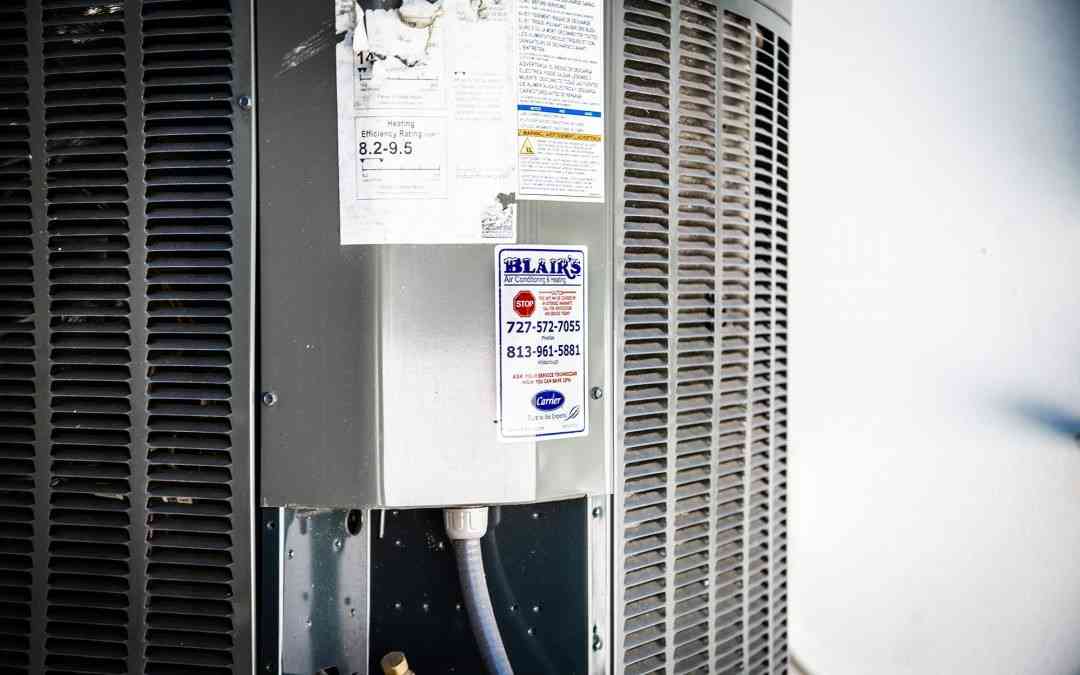
Not every premium HVAC feature delivers a meaningful return on investment. Understanding which upgrades provide real value can help homeowners stay within budget while maximizing comfort and efficiency.
Features that are often worth the extra cost include:
High-efficiency SEER-rated equipment
Smart thermostats with programmable schedules
Variable-speed blower motors
Enhanced air filtration systems
Extended manufacturer warranties
Features that may not be necessary for every homeowner include:
Complex zoning systems for smaller homes
Premium connectivity options that offer limited practical benefits
Ultra-high efficiency ratings that may take many years to recover through energy savings
Expensive accessories that duplicate functions already provided by the main HVAC system
The best HVAC system is not always the most expensive one. Instead, homeowners should focus on balancing purchase price, energy efficiency, maintenance requirements, and expected lifespan to achieve the best long-term value.
How Much Does a Central Air Best HVAC System Cost

Central air installation costs vary based on system size and installation complexity. If you’re planning a new installation, our guide on the price to install central air conditioning explains labor, equipment, and hidden costs that affect your final budget.
Typical HVAC installation costs:
- Basic systems: $5,000 – $8,000
- High-efficiency systems: $8,000 – $12,000
- Large home installations: $12,000+
Factors that affect HVAC cost include:
- Home square footage
- Energy efficiency rating (SEER)
- Ductwork installation
- Labor and installation complexity
- Equipment brand and model
Higher SEER ratings generally provide better energy efficiency but higher upfront costs.
Why Your AC Is Blowing Hot Air

An air conditioner blowing hot air is a common HVAC problem.
Possible causes include:
- Low refrigerant levels
- Dirty or clogged air filters
- Incorrect thermostat settings
- Frozen evaporator coils
- Compressor malfunction
- Electrical system issues
Quick troubleshooting steps:
- Check thermostat settings
- Replace clogged air filters
- Inspect the outdoor condenser unit
- Reset the breaker if necessary
If the issue continues, an HVAC technician may need to inspect refrigerant levels or compressor performance.
Air Conditioner Brands to Avoid

Choosing a reliable brand is important because HVAC systems are long-term investments.
Some lower-rated brands may have issues such as:
- Shorter lifespan
- Higher repair frequency
- Lower cooling efficiency
- Limited warranty coverage
When evaluating HVAC brands, consider:
- Warranty length
- Energy efficiency ratings
- Service network availability
- Customer reliability reviews
Reliable manufacturers typically offer better durability and long-term support.
How to Choose the Best HVAC System

Choosing the best HVAC system for your cost per square foot to build a house depends on several factors, especially when you are planning overall construction and budgeting decisions.
Home Size
Larger homes require systems with higher cooling capacity measured in BTUs (British Thermal Units).
Energy Efficiency
Look for systems with higher SEER ratings, which indicate better cooling efficiency and lower electricity use.
Climate
Climate plays an important role when selecting HVAC systems.
For example:
- Heat pumps work best in mild climates
- Furnaces perform better in colder regions
Installation Costs
Some HVAC systems require expensive ductwork installation, while others, like mini split systems, do not. If your home also needs electrical upgrades, understanding how much to rewire a house can help you budget for the complete project.
Maintenance Requirements
Along with regular HVAC maintenance, homeowners often look for ways to increase water pressure in the shower to improve everyday comfort throughout the home.
Regular maintenance helps extend the lifespan of HVAC systems.
Typical maintenance tasks include:
- Replacing air filters
- Cleaning condenser coils
- Checking refrigerant levels
- Scheduling yearly HVAC inspections
Electrical safety is also important for HVAC systems, especially in older homes. If your home still uses outdated electrical systems, you may want to read our guide on knob and tube wiring.
Frequently Asked Questions

What is the best HVAC system for homes?
Heat pump systems and high-SEER central air conditioners are typically the most energy-efficient HVAC options.
Why is my AC blowing hot air instead of cold air?
Common causes include refrigerant leaks, clogged filters, thermostat issues, or compressor problems.
How long do HVAC systems last?
Most HVAC systems last 15 to 20 years when properly maintained.
How much does it cost to replace an HVAC system?
HVAC replacement typically costs between $5,000 and $12,000, depending on system type and installation complexity.
What size HVAC system do I need?
HVAC system size depends on home square footage, insulation, climate conditions, and cooling capacity requirements.
Conclusion
Choosing the best HVAC system for your home depends on several factors, especially when you are planning overall construction and budgeting decisions. A home addition cost calculator can also help estimate the total renovation budget when HVAC upgrades are part of a larger project. Options like central air systems, heat pumps, and ductless mini split systems each offer different advantages depending on your cooling and heating needs.
Understanding central air costs, system efficiency ratings, and common issues like an AC blowing hot air can help homeowners make smarter decisions and avoid expensive repairs. It is also important to choose reliable air conditioner brands and schedule regular HVAC maintenance to ensure long-term performance.
By comparing HVAC system types and considering efficiency, durability, and installation requirements, homeowners can select a system that provides comfortable indoor temperatures, lower energy bills, and reliable performance for many years.