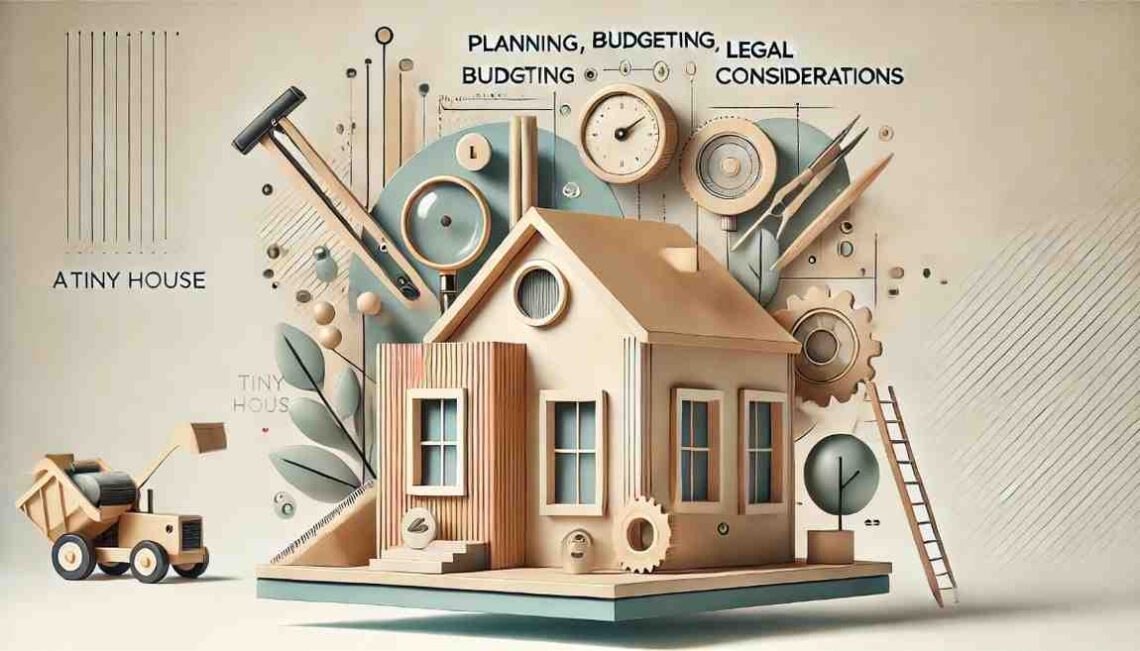
Over the past decade, buying land tiny house has moved from a niche lifestyle to a practical housing option for many Americans. Rising home prices and changing lifestyle preferences have encouraged buyers to look for smaller, simpler housing solutions. A well-designed tiny house can cost significantly less than a traditional home while still providing a comfortable living space.
However, many people discover that building the home itself is not the hardest part. The real challenge is buying land that tiny house owners can legally place their homes on. Zoning laws, infrastructure, and land financing all influence whether a property will work for tiny house living.
For example, a buyer planning a small off-grid home in a rural county might purchase a half-acre lot for around $35,000, then spend another $20,000 installing utilities such as septic and electricity. Without planning for these costs early, the project budget can quickly grow.
In this guide, we will walk through the process of purchasing land for a tiny home. Once you’ve secured the right property, the next step is learning how to construct a tiny house that complies with local building codes and fits your budget. You will learn how zoning laws work, how to evaluate property records, and how to avoid common mistakes that affect first-time land buyers.
Why Tiny Homes Require Special Land Considerations

Tiny homes may look simple, but placing them on land involves more legal and technical considerations than many buyers expect.
A traditional home automatically fits most residential zoning laws. Tiny houses, however, often fall below minimum size requirements or are treated differently by building codes defined in international residential standards such as those published by the International Code Council. This is why careful research is essential when buying land tiny house owners to build on.
Minimum Size Requirements
Many cities require homes to meet minimum square footage rules. These regulations exist to maintain property values and neighborhood standards.
Examples include:
- Some cities require homes to be 800–1,200 square feet
- Tiny homes are often 100–400 square feet
- Smaller counties may allow alternative housing structures
Because of these differences, rural areas often provide better opportunities for tiny home living.
Permanent vs Mobile Tiny Homes
Local laws often treat tiny homes differently depending on whether they are built on foundations or wheels.
- Tiny homes on foundations are treated like regular houses, meaning they may also need to meet egress window requirements and other residential safety standards
- Tiny homes on wheels may be classified as recreational vehicles
These classifications affect where and how long you can live in the home. Understanding these rules early helps ensure the land you choose will support your plans.
How to Purchase Land Step-by-Step

Buying raw land is very different from buying a finished house. There are usually no existing buildings, no inspections required by lenders, and sometimes very little infrastructure.
The following process explains how to purchase land for a tiny home project.
Step 1: Choose the Right Region
Start by narrowing your search to counties that allow small homes.
Look for areas that offer:
- Flexible zoning regulations
- Lower property taxes
- Access to utilities or affordable installation options
Many tiny home buyers choose rural counties within commuting distance of a city, while others compare affordable housing markets before deciding whether buying land or purchasing an existing home offers better value.
Step 2: Research Zoning Before Viewing Property
Never assume that a property can be used for a tiny home.
Before making an offer, contact the local planning department and ask about:
- Minimum dwelling sizes
- Foundation requirements
- Accessory dwelling unit rules
Verifying zoning laws is a critical part of how to sell homes successfully.
Step 3: Visit the Property in Person
Photos can hide important details. Walking the land allows you to evaluate factors such as:
- terrain slope
- road access
- nearby development
- drainage conditions
These factors affect both building costs and livability, especially since uneven terrain may require leveling the home properly before installation.
Step 4: Order a Land Survey
A professional survey confirms property boundaries. Reviewing what is a plat and how plat maps work can also help you understand legal property boundaries before closing. This prevents disputes with neighboring landowners and ensures that buildings are placed correctly.
Zoning Laws and Local Restrictions

Zoning laws regulate how land can be used. These rules affect housing types, building size, and land density.
For tiny homes, zoning rules are often the most significant barrier.
Residential Zoning
Residential zones generally allow houses but may require a minimum size. If the requirement exceeds your home’s square footage, the property may not work for tiny housing.
Agricultural Zoning
Agricultural zones sometimes offer more flexibility. Some counties allow smaller dwellings if the land is used for farming or rural living.
However, additional restrictions may apply to building permits and utilities.
Rural Counties Offer More Flexibility
Many people planning to buy land for tiny house projects choose rural counties because regulations are often less restrictive.
Counties with small populations sometimes allow alternative housing types more easily than urban areas.
Checking Property Records and Maps (Example: Perry County, PA GIS)

Before buying land, buyers should examine property maps and records carefully. Many counties provide online geographic mapping tools that display parcel data. One example is Perry County, PA GIS, which allows users to view property boundaries, zoning classifications, and land ownership information.
What GIS Mapping Systems Show
Mapping tools such as Perry County, PA GIS can reveal important details:
- Parcel size and boundaries
- Neighboring properties
- Zoning classifications
- Flood zones
These systems provide valuable information before scheduling property visits.
Example Scenario
Imagine a buyer researching land for a tiny home near rural Pennsylvania. Using Perry County, PA GIS, they discover that a promising parcel sits partly within a floodplain. Without reviewing the GIS map first, the buyer might have purchased land that required expensive flood mitigation. This type of research can save thousands of dollars.
Land Utilities and Infrastructure Requirements

One of the biggest surprises for land buyers is the cost of installing utilities.
Raw land rarely includes the infrastructure needed for a home.
Essential Utilities
Most tiny homes require access to:
- electricity
- water supply
- sewage or septic system
- internet or cellular service
If these utilities are unavailable, installation costs must be included in the project budget.
Example Cost Scenario
Consider a buyer purchasing rural land for $40,000.
Additional infrastructure costs might include:
- well drilling: $8,000
- septic installation: $12,000
- electrical connection: $4,000
The total cost to prepare the property could reach $24,000 before building the tiny house itself. Understanding these numbers helps buyers make realistic plans when buying land tiny house projects depend on infrastructure.
Financing Land for Tiny Homes

Financing raw land is often more challenging than financing a home.
Most banks consider land loans higher risk because there is no structure securing the loan.
Land Loan Options
Common financing methods include:
- raw land loans
- improved land loans
- owner financing
Raw land loans typically have higher interest rates than standard mortgages, so some buyers explore ways to buy down their interest rate to reduce long-term borrowing costs.
Down Payment Requirements
Lenders often require larger down payments for land purchases.
Typical requirements include:
- 20%–50% down payment
- shorter loan terms
- stronger credit history
Buyers researching how to purchase land should plan their finances accordingly.
Alternative Financing Methods
Some buyers use creative strategies to finance land purchases:
- personal loans
- home equity loans
- seller financing agreements
These alternatives may provide flexibility but require careful financial planning.
Tiny Home Land Legal Checklist

Legal considerations are one of the most important aspects of land purchases.
Before finalizing any purchase, buyers should review a checklist to confirm that the property supports tiny home living, while also preparing for potential closing costs associated with the transaction.
Confirm the following before buying:
- Zoning allows small dwellings
- Road access is legally recorded
- Septic permits are possible, but buyers should also understand potential septic inspection costs before purchasing land that will require a private septic system.
- Water access is available
- HOA restrictions do not prohibit tiny homes, and understanding what HOA fees cover can help you determine whether the community’s rules and ongoing costs fit your plans.
Completing this checklist reduces the risk of purchasing unsuitable land.
Tiny Home Friendly States and Regions

Certain states are known for more flexible tiny home regulations. While laws vary by county, several regions are considered more welcoming to small-home living.
Some states with flexible tiny home communities include:
- Oregon
- Texas
- Colorado
- North Carolina
- parts of Pennsylvania
Rural counties within these states often allow alternative housing structures.
Buyers planning buying land tiny house projects frequently explore these regions first.
Why These Areas Work Well
Many of these regions offer:
- lower land costs
- relaxed zoning requirements
- strong tiny home communities
These factors make them attractive for people transitioning to small-home living.
Common Mistakes Buyers Make

Even experienced real estate investors sometimes make mistakes when buying land.
Ignoring Zoning Laws
Some buyers purchase land assuming they can build anything they want. Local regulations often prevent this.
Overlooking Access Rights
Some rural properties lack legal road access. Without easements, reaching the property may become difficult.
Underestimating Development Costs
Infrastructure installation can cost tens of thousands of dollars.
Avoiding these mistakes is essential when buying land tiny house buyers plan to develop.
Real Cost Breakdown of Buying Land

Understanding total project costs helps buyers create realistic budgets.
Below is a typical cost scenario for a small rural parcel.
Example Budget
- land purchase: $30,000–$60,000
- septic system: $6,000–$15,000
- well drilling: $5,000–$12,000
- electrical connection: $3,000–$8,000
- grading and site preparation: $2,000–$6,000
Total setup costs may range from $45,000 to $100,000 before constructing the tiny home.
These numbers vary widely depending on region and property conditions.
Tips to Find Affordable Buying Land Tiny House

Finding affordable land requires patience and strategic searching.
Search Rural Listings
Rural counties often offer the lowest land prices.
Look for Smaller Parcels
Tiny homes require far less space than traditional houses.
Even 0.25 acres may be sufficient.
Contact Local Landowners
Some landowners sell unused parcels privately without listing them publicly.
Explore Tax Auctions
Occasionally, counties auction land for unpaid property taxes.
These properties can sometimes be purchased below market value.
FAQ
Can you legally live in a tiny house everywhere?
No. Many cities enforce minimum home size rules. Rural counties typically offer more flexibility.
How much land do you need for a tiny home?
Many tiny homes can fit comfortably on 0.25 to 1 acre, depending on zoning requirements.
What permits are required?
Common permits include building permits, septic permits, and zoning approvals.
Is land financing different from home financing?
Yes. Land loans usually require higher down payments and shorter loan terms.
Can you place a tiny house on agricultural land?
Sometimes. Agricultural zoning may allow alternative housing, but regulations vary by county.
Conclusion
Tiny homes offer an appealing path toward affordable housing and a simpler lifestyle. However, success depends heavily on selecting the right property.
The process of buying land tiny house builders can use legally requires careful planning. Buyers must verify zoning rules, evaluate infrastructure costs, and research property records before committing to a purchase.
Using tools such as GIS maps, consulting local zoning offices, and following a legal checklist can prevent costly mistakes.
Many successful tiny home owners start by exploring rural counties where regulations are more flexible, and land prices remain affordable.
With the right preparation and careful research, purchasing land for a tiny home can become the first step toward building a practical and sustainable living space.