A college graduate interested in real estate once asked a local broker where to start. The broker didn’t immediately talk about commissions or property listings. Instead, he recommended two things: complete the licensing requirements and start reading a few strong real estate books. His reasoning was simple. Real estate success depends as much on knowledge and preparation as it does on networking or sales ability.
Entering the real estate industry can be exciting, but beginners often underestimate how much learning is required. Licensing laws, regulatory forms, financing structures, and market knowledge all play a role in becoming a successful agent or investor.
For example, someone pursuing a Washington real estate license may spend several hundred dollars on coursework, exams, and application fees before even selling their first property. Meanwhile, investors studying concepts like hard equity may analyze dozens of deals before committing capital.
This article explores how people begin careers in real estate, the education resources that help them succeed, and the regulatory processes involved in professional licensing.
Understanding the Real Estate Career Path

The real estate industry offers several professional paths. While many people picture real estate agents showing homes, the field includes many other roles.
Common career paths include:
- Residential real estate agents, including those working with large home builders, often specialize in helping buyers purchase newly constructed communities.
- Commercial brokers
- Real estate investors
- Property managers
- Real estate analysts
- Developers
Each path requires different skills and knowledge. Most people begin as residential agents working under a brokerage. In the United States, agents typically earn income through commissions, as commonly explained by the National Association of Realtors.
Commission Structures
Agent commissions vary depending on the market and brokerage structure. Typical commission ranges include:
- 5–6% total commission on home sales
- Split between the listing agent and the buyer agent
- Additional splits with the brokerage
For example:
A home selling for $450,000 with a 5% commission produces $22,500 in total commission. If the listing agent receives half and splits 70/30 with their brokerage, the agent may earn roughly $7,875 from the transaction. Understanding these financial structures is important for anyone entering the industry, especially when evaluating alternative selling approaches like choosing to list on MLS without a realtor. New professionals should also understand how much real estate agents actually earn before deciding whether this career fits their financial goals.
Licensing Requirements for Real Estate Agents

Every state requires real estate agents to obtain a license before representing clients. Although regulations vary slightly by state, the general process follows several steps.
Typical Licensing Steps
- Complete pre-licensing education.
- Pass the state licensing exam.
- Submit background checks and application forms.
- Join a licensed brokerage.
- Maintain continuing education credits.
Education programs usually cost between $300 and $800, depending on the state and training provider.
Washington Real Estate License Process

Obtaining a Washington real estate license requires completing specific education and testing requirements set by the Washington Department of Licensing.
The typical process includes:
- Complete required coursework
Washington requires 90 hours of approved real estate education, including:- Real Estate Fundamentals (60 hours)
- Real Estate Practices (30 hours)
- Pass the state licensing exam
The exam includes both national and state-specific sections.
Typical exam costs range from $210. - Submit fingerprints and background checks
Applicants must complete a background screening before approval. - Apply for the license.
Once the exam is passed, candidates submit their licensing application.
A new agent pursuing a Washington real estate license may spend roughly $500–$800 total, including coursework, exam fees, and application costs.
Important Learning Resources for New Agents
Education does not stop after licensing. Successful real estate professionals constantly study markets, negotiation strategies, and property investment techniques.
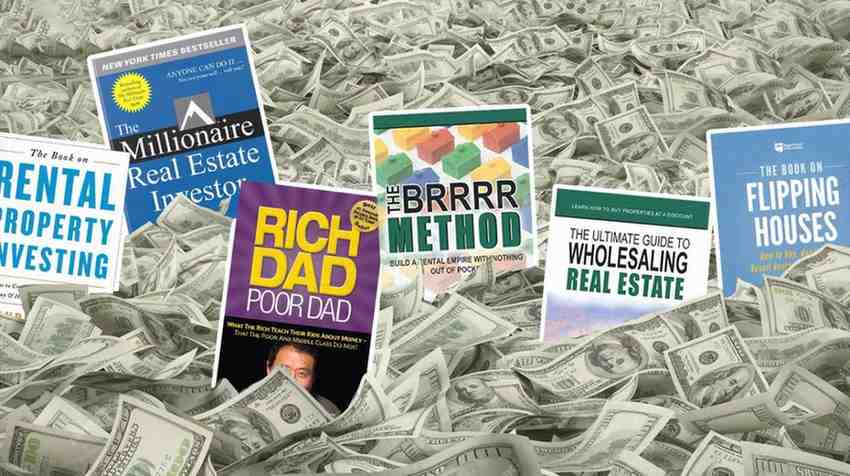
One of the most accessible learning tools is reading real estate books written by experienced professionals.
Books often provide deeper insights than short online articles. They can also help agents understand the limitations of online real estate platforms when advising buyers and sellers.
Best Real Estate Books for Beginners

Many successful agents recommend starting with a few foundational titles.
Popular topics covered in real estate books include:
- Negotiation techniques
- Property valuation
- Marketing strategies
- Real estate investing
- Client relationship management
Typical prices for a real estate book range between $15 and $30, making them one of the most affordable educational resources available.
Examples of common learning themes in books include:
- How to analyze property deals
- Building a client pipeline
- Understanding market cycles
For beginners, reading several real estate books can accelerate learning and reduce early career mistakes.
Understanding Hard Equity in Real Estate Investment Books

While agents focus on transactions, investors often focus on building long-term wealth through property.
One concept investors frequently discuss is hard equity.
What Hard Equity Means
Hard equity refers to the real ownership value of a property after subtracting debt.
For example:
- Property value: $500,000
- Remaining mortgage: $300,000
Hard equity = $200,000
This represents the owner’s true stake in the property.
Why Hard Equity Matters
Investors use hard equity to evaluate financial leverage and investment potential.
High equity levels allow investors to:
- Refinance properties
- Access home equity loans
- Purchase additional investment properties
For example, an investor with $250,000 in hard equity may refinance and pull out $100,000 to fund another property purchase.
Understanding hard equity helps investors evaluate whether a deal is financially sustainable.
Real Estate Books, Regulatory Applications,s and Compliance

The real estate industry operates under strict regulatory oversight.
Agents and brokers must comply with licensing authorities and submit formal applications when entering the profession.
What is a RECO Application?
A reco application refers to paperwork submitted to regulatory organizations responsible for overseeing real estate professionals.
In some regions, regulatory bodies require detailed documentation before issuing licenses.
Typical information included in a reco application may include:
- educational credentials
- criminal background checks
- professional references
- brokerage affiliation
These applications help regulators ensure that only qualified professionals enter the real estate industry.
Processing a reco application can take several weeks, depending on the licensing authority and verification process.
Common Mistakes New Real Estate Professionals Make

Many new agents struggle during their first year because they underestimate the complexity of the industry.
Several mistakes appear repeatedly among beginners.
Expecting Quick Income
Real estate income is commission-based. New agents may spend several months building client relationships before closing their first deal.
Ignoring Education
Some agents stop learning after obtaining their license. However, Successful professionals constantly study markets, negotiation strategies, and property investment techniques while also learning about common home-selling traditions that some homeowners still believe influence a sale.
Reading real estate books and attending training programs can significantly improve performance.
Poor Financial Planning
New agents should budget for expenses such as:
- Marketing costs
- Licensing renewals
- Association fees
- Transportation
Without proper budgeting, early career income fluctuations can become difficult to manage.
Actionable Tips for Starting a Real Estate Books Career

Starting a career in real estate requires careful planning.
The following steps can help new professionals build a strong foundation.
1. Complete Licensing Education Carefully
Courses required for the Washington real estate license cover essential topics such as contracts, agency relationships, and property law. New agents should also spend time understanding property plats, since land boundaries often create questions during transactions.
Taking the time to understand these topics helps avoid legal mistakes later.
2. Join the Right Brokerage
Brokerages vary widely in structure.
Some provide extensive training for new agents, while others expect agents to operate independently. Many brokerages also teach real estate postcard marketing as one of the first lead-generation strategies for attracting homeowners.
New agents often benefit from brokerages that offer mentorship programs.
3. Study Market Data Regularly
Successful agents understand their local market. They should also understand mortgage rate buydown strategies so they can explain financing options that may help buyers afford a home.
Important metrics include property prices, inventory trends, and buyer closing taxes, since transaction costs vary significantly between markets.
Studying these numbers helps agents provide accurate advice to clients, including explaining HOA fees and community expenses when buyers compare different neighborhoods.
4. Build a Professional Network
Real estate relies heavily on relationships. Agents should also understand rent-to-own agreements, since some clients explore alternative paths to homeownership.
Agents should connect with:
- Mortgage lenders
- Inspectors
- Contractors
- Attorneys
A strong network helps agents solve problems quickly during transactions.
Real Estate Books: Frequently Asked Questions

How long does it take to get a real estate license?
Most people complete licensing education and exams within 2–4 months, depending on course schedules and exam availability.
What does a Washington real estate license cost?
Obtaining a Washington real estate license typically costs between $500 and $800, including coursework, exam fees, and application costs.
Are real estate books useful for beginners?
Yes. Many real estate books explain negotiation strategies, investment concepts, and client management techniques that new agents need to succeed.
What is hard equity in property investing?
Hard equity represents the difference between a property’s market value and its outstanding loan balance.
What is a RECO application?
A reco application is a regulatory form submitted to licensing authorities when applying for approval to work in the real estate industry.
Conclusion
Entering the real estate industry requires more than passing a licensing exam. Successful professionals combine regulatory knowledge, market awareness, and continuous education.
Learning resources such as real estate books help new agents understand negotiation strategies, property valuation, and investment concepts. At the same time, licensing processes like obtaining a Washington real estate license ensure that professionals meet legal standards before working with clients.
For investors, understanding financial concepts such as hard equity can reveal opportunities to grow wealth through property ownership.
By combining education, licensing, and real-world experience, new professionals can build sustainable careers in the real estate industry while providing valuable services to buyers, sellers, and investors.