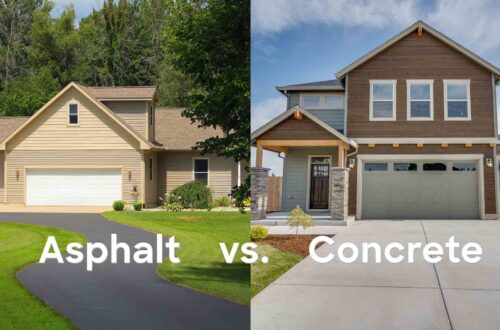
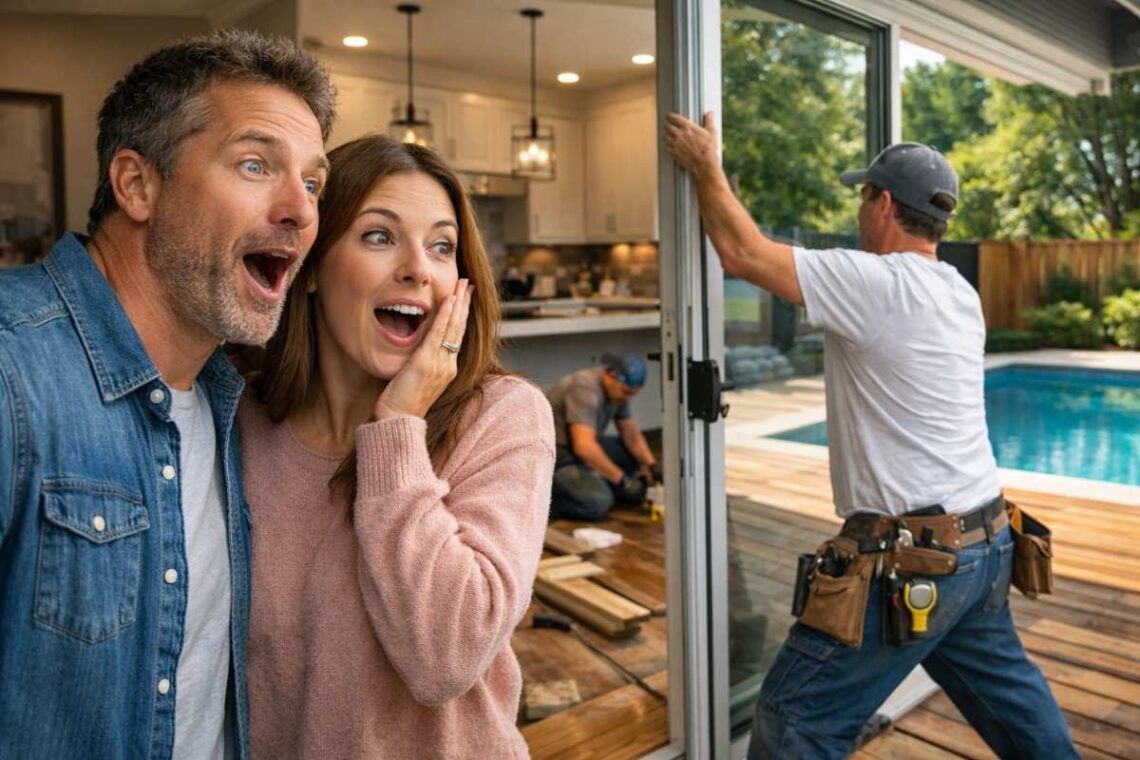
That’s where smart planning around a major capital improvement makes a difference. Instead of reacting to problems, homeowners who understand structural upgrades early tend to protect both their home’s safety and its long-term value.
This guide walks through the upgrades that matter most, how much they cost, and how to decide what to fix first.
What Are Major Capital Improvements in a Home
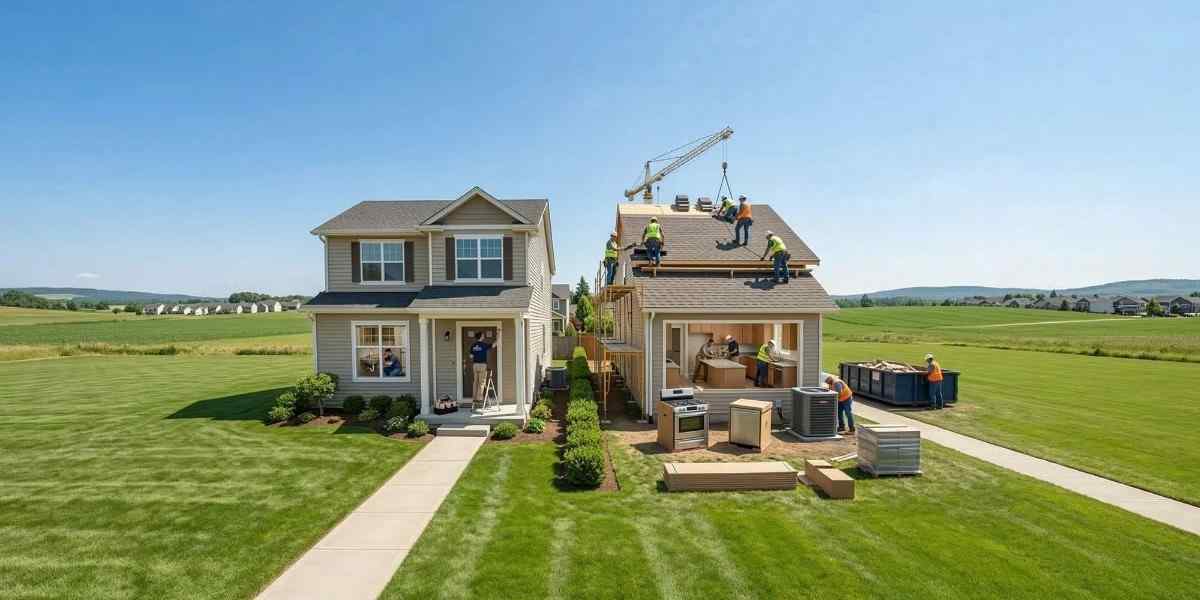
A major capital improvement refers to upgrades that add long-term value, extend the life of your property, or improve its structural integrity. These are not cosmetic fixes like repainting walls. Instead, they focus on essential systems that keep the home stable and livable.
Examples of Major Capital Improvement
- Foundation repairs
- Roof replacement
- Structural reinforcements
- Adding functional space, like an attached garage
- Drainage and waterproofing systems
These upgrades often:
- Increase resale value
- Reduce future repair costs
- Improve safety
A simple way to think about it: if the upgrade affects the structure or lifespan of your home, it qualifies. Many qualifying improvements can also increase your property’s cost basis, potentially reducing future capital gains taxes when you sell. Homeowners can compare recently sold homes in their neighborhood to see how similar improvements have influenced selling prices.
Structural Issues That Affect Property Value
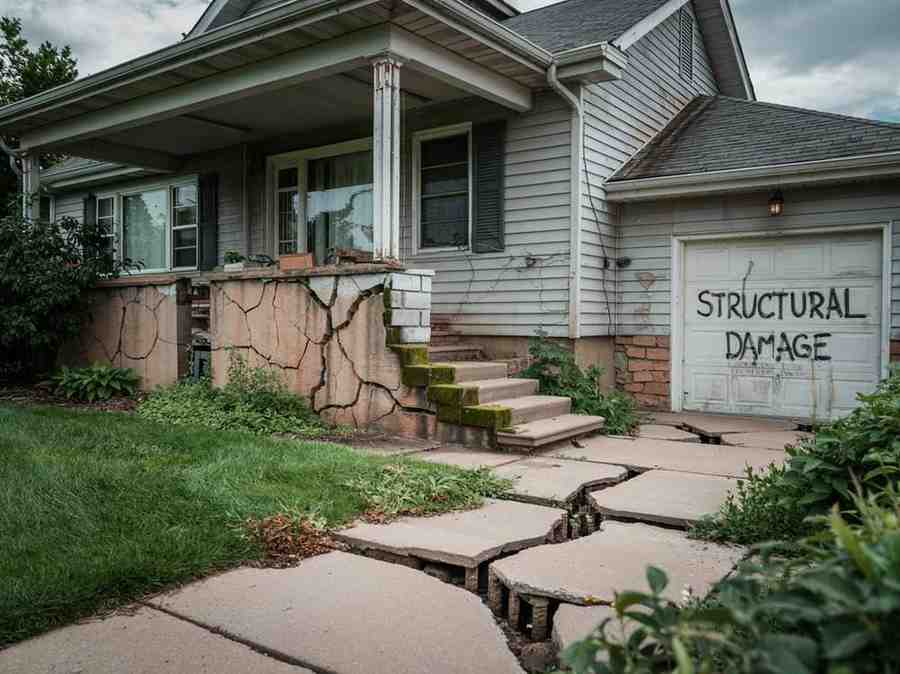
Structural problems are one of the first things buyers notice during inspections. Serious repair findings can also delay negotiations after an under contract vs pending offer has been accepted. Even small defects can raise concerns and reduce offers.
Structural Foundation Repair
Foundation issues usually begin subtly—cracks, uneven floors, or doors that don’t close properly. Ignoring them often leads to larger shifts.
Typical signs include:
- Diagonal cracks in walls
- Gaps around windows
- Sloping floors
Cost range:
- Minor repairs: $2,500–$5,000
- Major stabilization: $8,000–$20,000
A proper structural foundation repair not only stabilizes the home but also reassures buyers during inspections.
House Leveling
When a house settles unevenly, it creates stress on walls, floors, and plumbing. This is where house leveling becomes necessary.
Methods include:
- Pier installation
- Slab jacking
- Beam adjustments
Average cost: $4,000–$15,000 depending on severity.
In many cases, combining house leveling with foundation work is more cost-effective than fixing issues separately later.
Water Damage Problems and Long-Term Risks
Water is one of the most destructive elements for any property. It weakens structures, encourages mold growth, and lowers property value significantly.
Water in Crawl Space
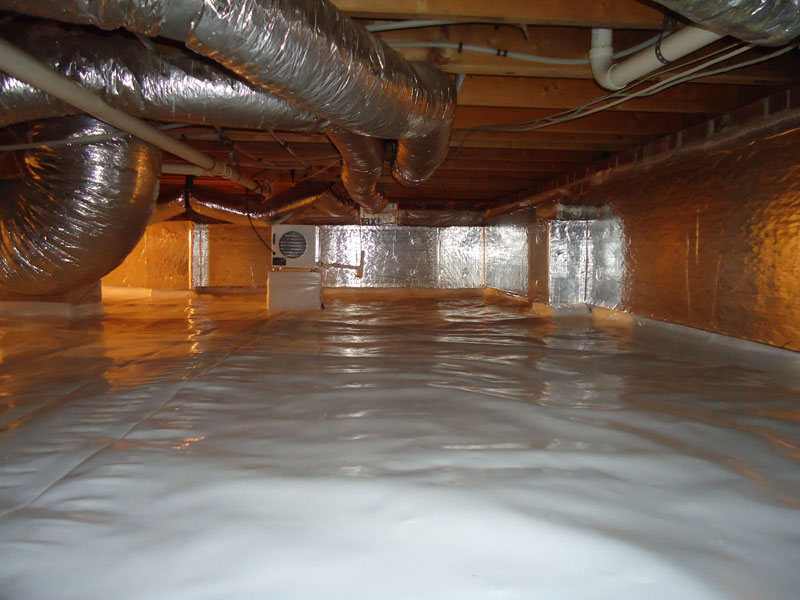
A damp crawl space might seem harmless, but it can cause:
- Wood rot
- Pest infestations
- Poor indoor air quality
Solutions include:
- Installing vapor barriers
- Improving drainage
- Adding sump pumps
Cost estimate: $1,500–$6,000 depending on severity.
Basement Leak
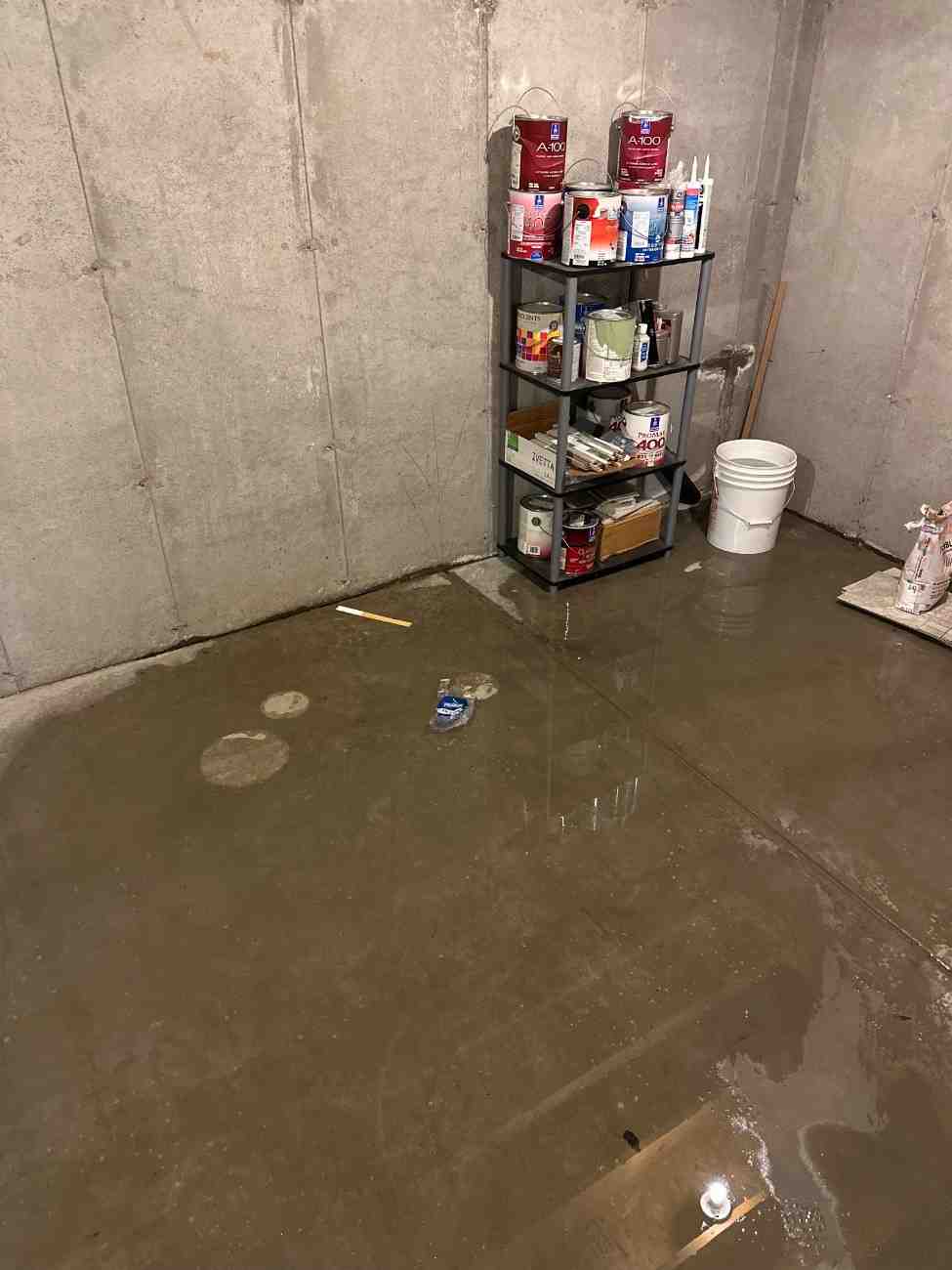
A basement leak is often the first visible sign of deeper waterproofing issues.
Common causes:
- Poor exterior drainage
- Cracked foundation walls
- Clogged gutters
Repair costs:
- Minor sealing: $500–$2,000
- Full waterproofing: $3,000–$10,000
Fixing a basement leak early prevents structural damage and protects the finished living space.
Exterior Upgrades That Add Value
Not all upgrades are repairs. Some directly increase usability and resale appeal.
Roofing and Home Value
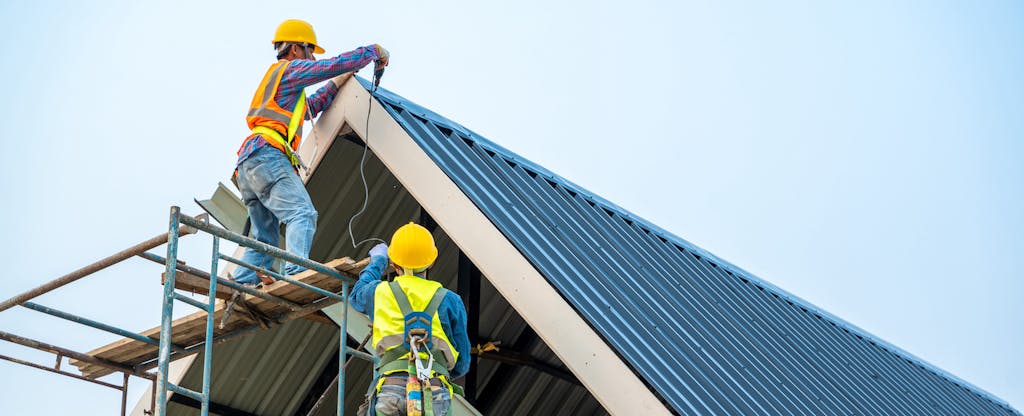
The roof is one of the most visible and critical parts of a home. Buyers often calculate replacement costs immediately when evaluating a property.
ROI insights:
- New roof: 60–70% return on investment
- Improves energy efficiency
- Boosts curb appeal
Average replacement cost:
- $5,000–$15,000 depending on materials
A strong link between roofing and home value makes this one of the most impactful upgrades.
Attached Garage
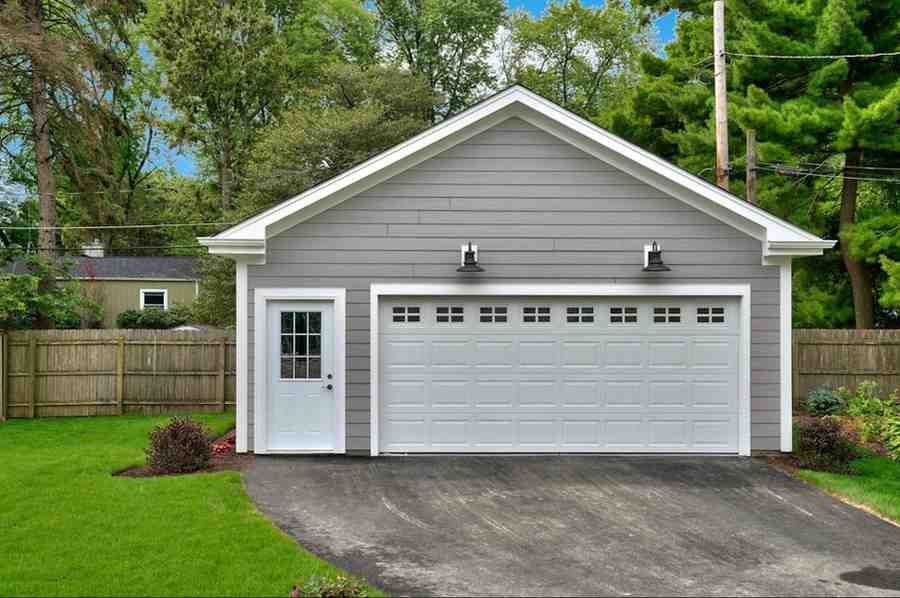
Adding an attached garage is both functional and valuable.
Benefits include:
- Secure parking
- Additional storage
- Direct access to the home
Cost range: $15,000–$40,000
Homes with an attached garage tend to sell faster, especially in suburban markets where convenience matters. Completing these upgrades before listing can have an even greater impact when you choose the best time to sell a house.
Small Fixes That Prevent Bigger Damage
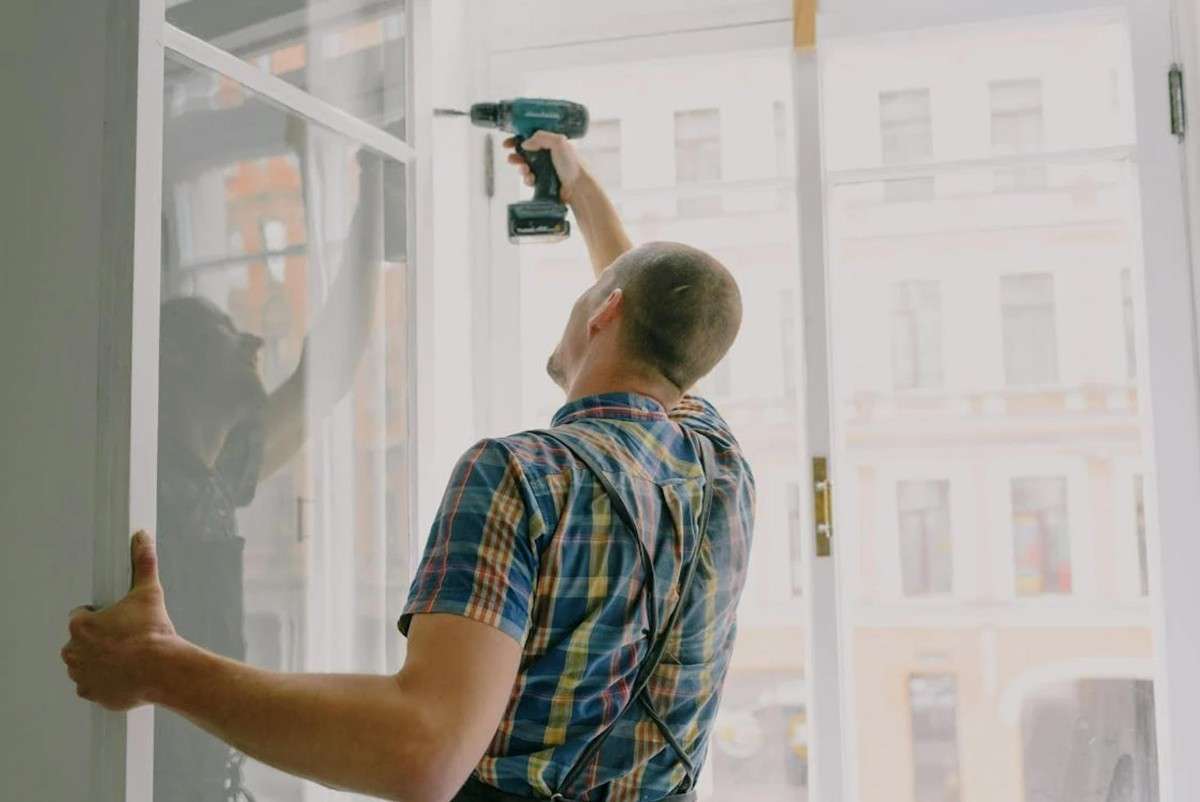
Not every improvement needs to be expensive. Some small fixes can prevent major issues later.
Garage Door Seal Replacement
A worn-out seal at the bottom of your garage door can allow:
- Water entry
- Pest intrusion
- Temperature loss
Replacing it is simple but effective.
Cost: $100–$300
This type of garage door seal replacement helps maintain insulation and prevents long-term damage to flooring and walls. Outdoor spaces don’t just improve lifestyle—they also influence property appeal.
Lava Rocks for Fire Pit
Adding a fire pit with lava rocks for fire pit setups is a simple upgrade that enhances backyard usability.
Advantages:
- Heat retention
- Low maintenance
- Clean aesthetic
Cost: $50–$200 for materials
While this isn’t a structural upgrade, it complements major capital improvements by improving the outdoor living space.
Cost Breakdown of Structural and Exterior Major Capital Improvements
Understanding costs helps prioritize projects effectively, particularly for buyers comparing budgets while searching for homes for sale under 400k.
Typical Cost Ranges
| Improvement Type | Estimated Cost |
| Foundation repair | $3,000–$20,000 |
| House leveling | $4,000–$15,000 |
| Basement waterproofing | $2,000–$10,000 |
| Roof replacement | $5,000–$15,000 |
| Attached garage | $15,000–$40,000 |
Cost Factors
- Size of the home
- Severity of damage
- Labor rates in your area
- Material quality
Combining major capital improvements into one project often reduces overall labor costs. If you’re renovating before selling, remember to budget for additional expenses such as closing costs that arise during the transaction.
Signs You Should Invest in Structural Repairs
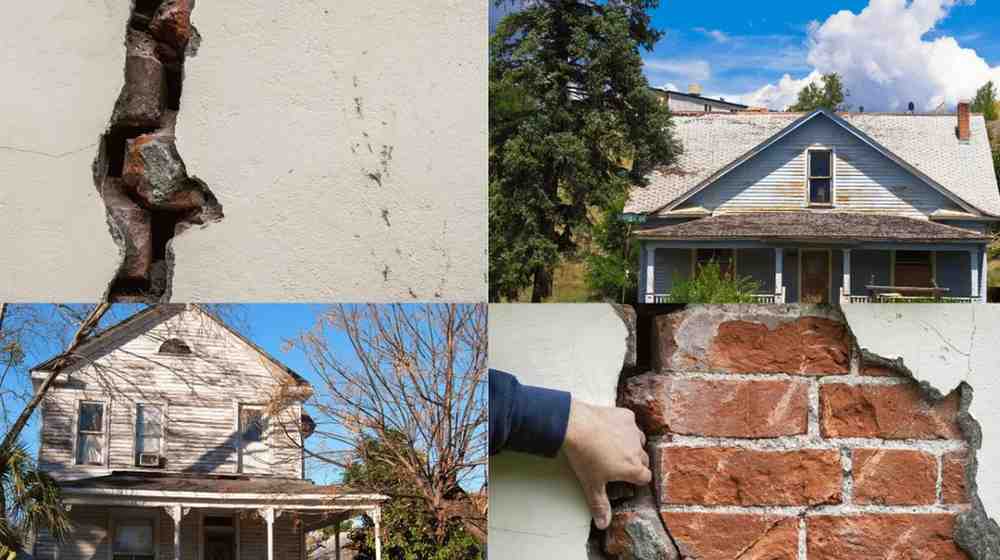
Many homeowners delay repairs because problems seem minor. However, early signs often indicate deeper issues.
Watch for:
- Cracks are widening over time
- Doors sticking or misaligned
- Persistent dampness
- Uneven flooring
If two or more signs appear together, it’s usually time to act. Many buyers request repairs through inspection what contingent means on a house before moving forward with the purchase.
Common Mistakes Homeowners Make
Avoiding these mistakes can save thousands in the long run.
1. Ignoring Small Problems
A minor crack or leak can evolve into a costly repair if left untreated.
2. Choosing Cheap Fixes
Temporary solutions often fail and require rework.
3. Delaying Inspections
Professional inspections catch hidden issues early.
4. Overlooking Drainage
Many structural problems start with poor water management.
How to Prioritize Improvements for Maximum ROI
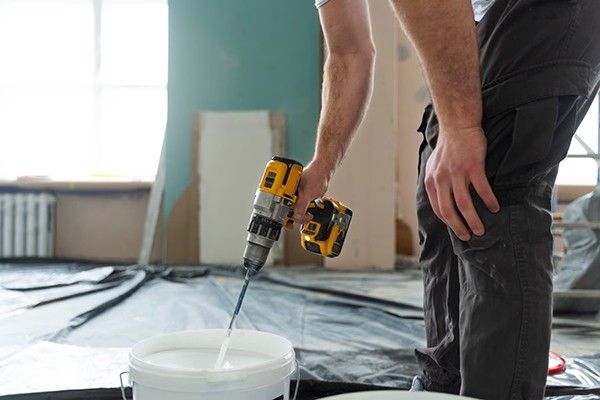
Not all upgrades deliver equal value. Focus on what impacts safety and structure first.
Before investing in expensive upgrades, request a professional comparative market analysis to identify which improvements are most likely to increase your home’s value.
Step-by-Step Priority Plan
- Fix structural issues
- Foundation
- Leveling
- Address water damage
- Crawl space
- Basement
- Upgrade major systems
- Roof
- Garage
- Add usability features
- Outdoor spaces
This order ensures you’re protecting your investment before enhancing aesthetics.
FAQ
What qualifies as a major capital improvement?
Any upgrade that extends the life of your home or improves its structure, such as roofing, foundation repairs, or adding functional space.
Do foundation repairs increase home value?
Yes. They improve structural stability and make the home more attractive to buyers.
How much does house leveling cost?
Costs typically range between $4,000 and $15,000, depending on the severity.
Is fixing a basement leak urgent?
Yes. Delaying repairs can lead to mold, structural damage, and higher costs later.
Which upgrades give the best return?
Roof replacement, structural repairs, and adding usable space like garages often provide the best ROI.
Conclusion
Homeowners often focus on visible upgrades, but long-term value comes from what holds the house together. Structural stability, water protection, and essential systems play a much bigger role in property value than cosmetic changes. Keeping records of qualifying improvements may also help when calculating taxable gains after selling a home.
If you’re planning your next major capital improvement, start with the fundamentals:
- Fix structural issues early
- Eliminate water risks
- Upgrade key exterior elements
Once those are in place, smaller enhancements become more meaningful, and your home becomes both safer and more valuable. The best next step is simple: walk through your home, identify early warning signs, and prioritize fixes before they grow into expensive problems.