
Homeowners often look for ways to increase living space without buying a larger house. One of the most common solutions is finishing an unused basement. Turning that space into a bedroom, office, or entertainment area can add valuable square footage. However, the average cost to finish a basement can vary widely depending on the size of the space, materials used, and the condition of the home’s existing systems.
Many renovation projects begin with a simple plan and a rough budget. Yet once contractors inspect the space, additional expenses may appear. For example, a homeowner might budget $25,000 for finishing a basement only to learn that electrical upgrades or plumbing changes add several thousand dollars to the total cost.
Understanding renovation costs ahead of time helps homeowners avoid surprises. Basement projects often intersect with other home maintenance tasks such as electrical upgrades, plumbing repairs, or bathroom remodeling. In this guide, we’ll explore basement renovation budgets, related home upgrade costs, and practical steps homeowners can take to estimate renovation expenses realistically.
Understanding the Average Cost to Finish a Basement
When homeowners research renovation projects, the first question usually involves budget. The average cost to finish a basement depends on several factors, including size, materials, and labour rates.
In most U.S. markets, basement finishing projects fall within a broad range.
Typical price ranges include:
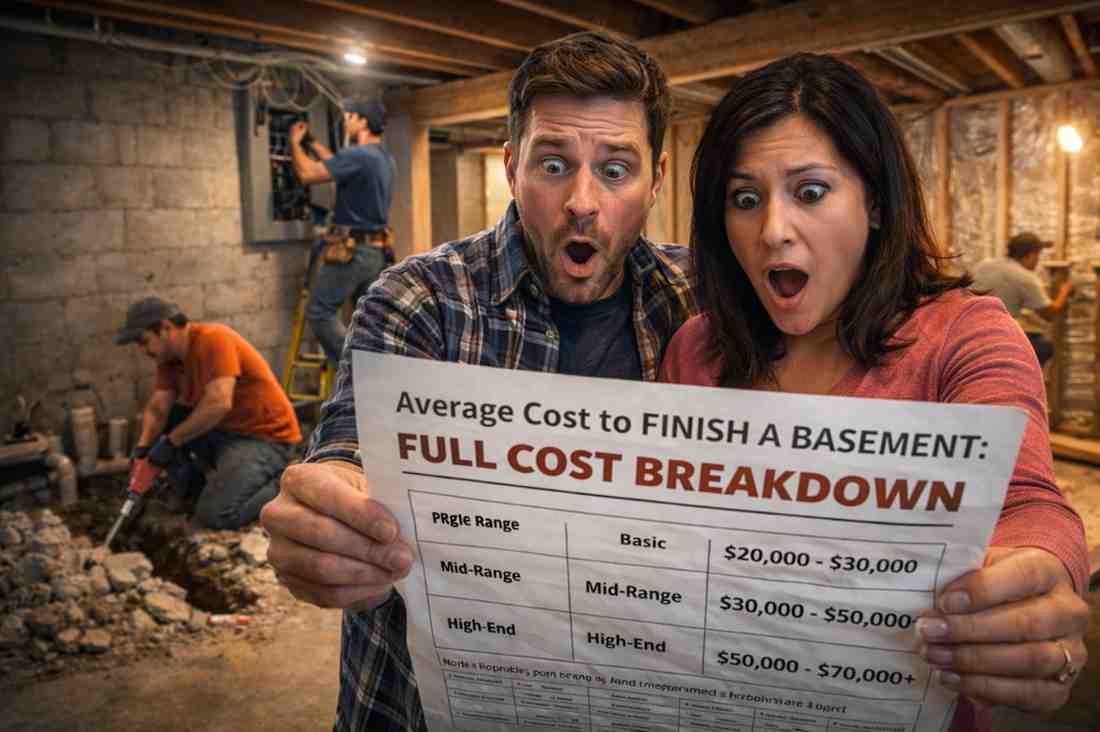
- $20,000 to $30,000 for basic finishes
- $30,000 to $50,000 for mid-range renovations
- $50,000 to $70,000 or more for high-end basement designs
These numbers assume a basement size of roughly 800 to 1,000 square feet. Labour often accounts for a large portion of renovation expenses. Contractors usually charge between $40 and $100 per hour, depending on the speciality work required. Because of these variables, the average cost to finish a basement should always be viewed as an estimate rather than a fixed number.
Key Factors That Affect Basement Renovation Costs
Several elements influence the final basement finishing cost.
Size of the Basement
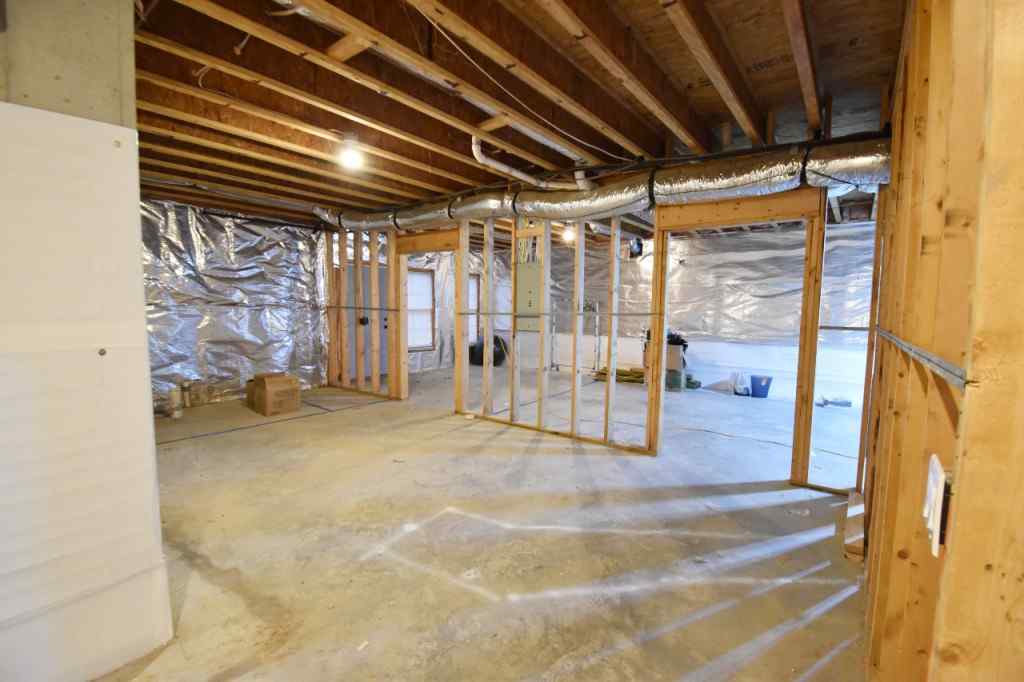
Larger basements require more materials and labour. Flooring, drywall, insulation, and lighting costs increase as square footage grows.
Plumbing Installation

Adding a bathroom or wet bar requires plumbing installation. This may involve breaking concrete to run pipes, which can significantly increase project costs.
Electrical Upgrades

Older homes sometimes require electrical improvements before finishing a basement. This can increase the total basement finishing cost substantially.
Insulation and Moisture Control

Basements often require special insulation and moisture protection. Waterproofing systems can add $2,000 to $10,000, depending on the severity of water issues. These factors help explain why the average cost to finish a basement can vary dramatically from one home to another.
Basement Renovations and Home Value
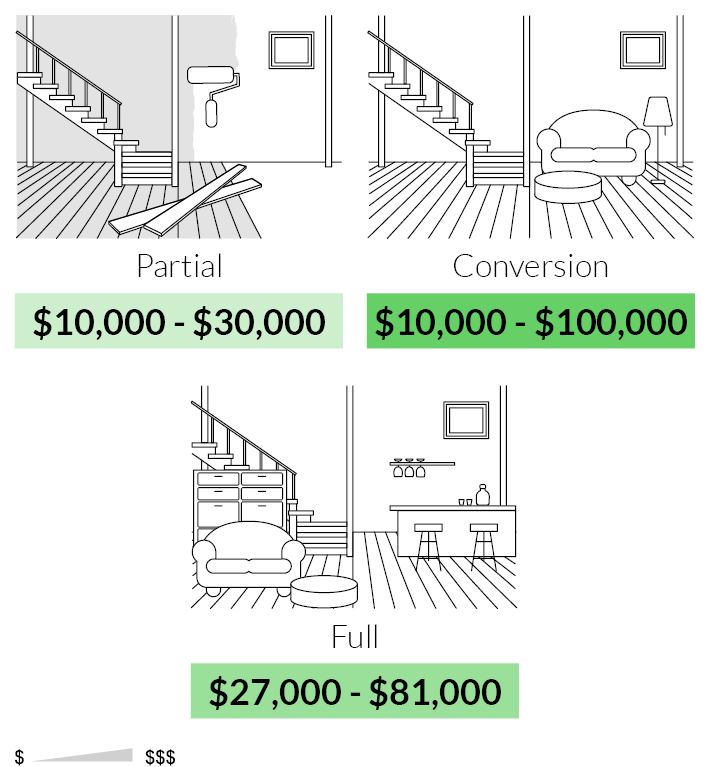
Many homeowners renovate basements not just for extra space but also to increase property value. Finished basements rarely return 100% of their construction cost, but they can still improve resale appeal. Typical return-on-investment estimates range from 60% to 75%, depending on the quality of the renovation.
For example, a homeowner spending $40,000 on a basement renovation may increase home value by $25,000 to $30,000 in many markets. However, the real benefit often comes from additional usable space.
Adding Bedrooms and Living Space

One popular basement upgrade involves creating additional bedrooms. Families often need extra sleeping space as households grow.
Cost to Add a Bedroom
The cost to add a bedroom in a basement depends on construction requirements.
Typical costs include:
- framing and drywall: $4,000–$8,000
- flooring installation: $2,000–$5,000
- lighting and electrical: $1,500–$3,000
- egress window installation: $2,500–$5,000
Altogether, the cost to add a bedroom in a basement often falls between $10,000 and $25,000.
Building codes usually require egress windows for basement bedrooms so occupants can exit safely during emergencies.
Electrical Upgrades and Wiring Costs
Older homes sometimes require electrical updates before renovation work begins.
Cost to Rewire a House
The cost to rewire a house depends largely on the home’s size and the complexity of the electrical system.
Typical ranges include:
- small homes: $8,000–$15,000
- medium homes: $15,000–$25,000
- large homes: $25,000–$40,000
In some basement projects, only a partial upgrade is needed. For example, a homeowner finishing a basement may spend $3,000 to $6,000 upgrading electrical panels and adding new circuits.
Electrical improvements often increase project costs but ensure the home meets modern safety standards.
Bathroom Remodeling and Accessibility Upgrades
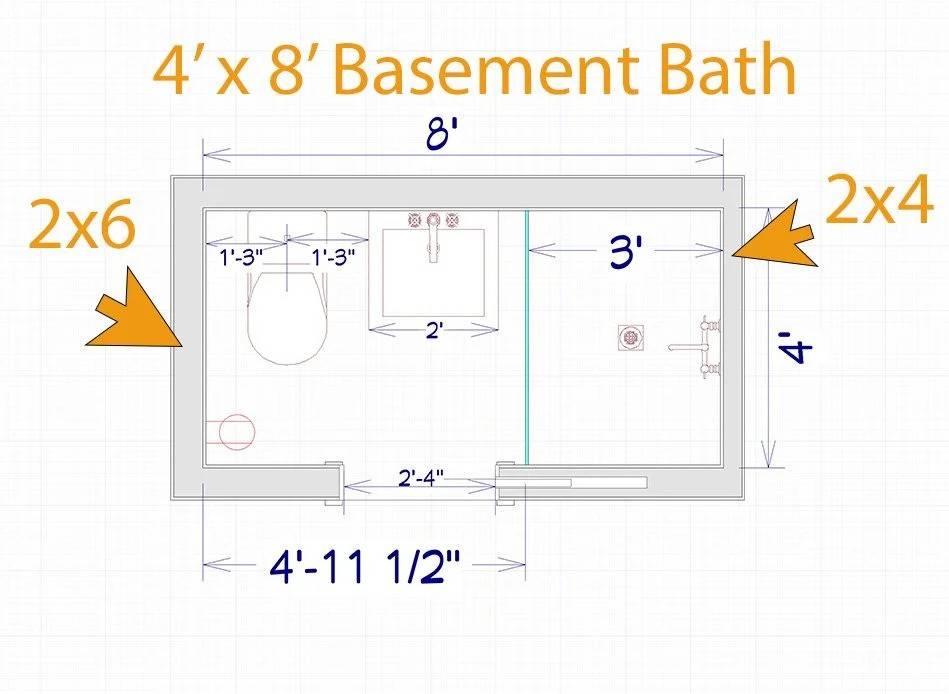
Bathrooms are another common renovation project during basement finishing.
Some homeowners replace older tubs with more accessible shower designs.
Cost to Convert Bathtub Into Shower
The cost to convert bathtub into shower varies depending on materials and plumbing modifications.
Typical price ranges include:
- basic conversion: $1,200–$3,500
- mid-range renovation: $3,500–$7,000
- luxury shower remodel: $8,000 or more
For basement bathrooms, additional plumbing may increase the cost to convert a bathtub into a shower due to pipe relocation or drainage adjustments.
Septic System Maintenance Costs

Homes outside city sewer systems rely on septic tanks. Basement renovations sometimes reveal septic issues that require maintenance.
Septic Pumping Cost
The septic pumping cost generally ranges between $250 and $600 depending on tank size and location.
Regular maintenance prevents backups that can damage finished basements.
Septic Tank Pumping Cost
In rural areas, the septic tank pumping cost may increase slightly if the tank is difficult to access or requires specialized equipment.
Homeowners often pump their tanks every 3–5 years to prevent system failure.
Septic Tank Pumping Prices
The national average for septic tank pumping prices typically falls between $300 and $500.
Regular pumping reduces the risk of costly septic system repairs that could otherwise cost $5,000 to $20,000.
Understanding these maintenance expenses helps homeowners plan for long-term property ownership.
Swimming Pool Ownership Costs

Some homeowners consider installing or maintaining a pool as part of home upgrades.
However, pools require ongoing maintenance expenses.
Pool Upkeep Cost
The average pool upkeep cost varies based on pool size, climate, and cleaning services.
Typical monthly costs include:
- chemical treatment: $30–$60
- cleaning services: $50–$100
- electricity for pumps: $20–$40
Combined, the pool upkeep cost usually ranges between $80 and $150 per month.
Cost to Maintain a Pool
Over a full year, the cost to maintain a pool often reaches $1,000 to $2,000, depending on climate and usage.
While pools increase enjoyment for many homeowners, they rarely produce strong resale value returns. For this reason, some homeowners prioritise basement renovations instead of pool installations.
Hidden Costs Many Homeowners Overlook

Renovation budgets often increase because homeowners overlook certain expenses.
Permit Fees
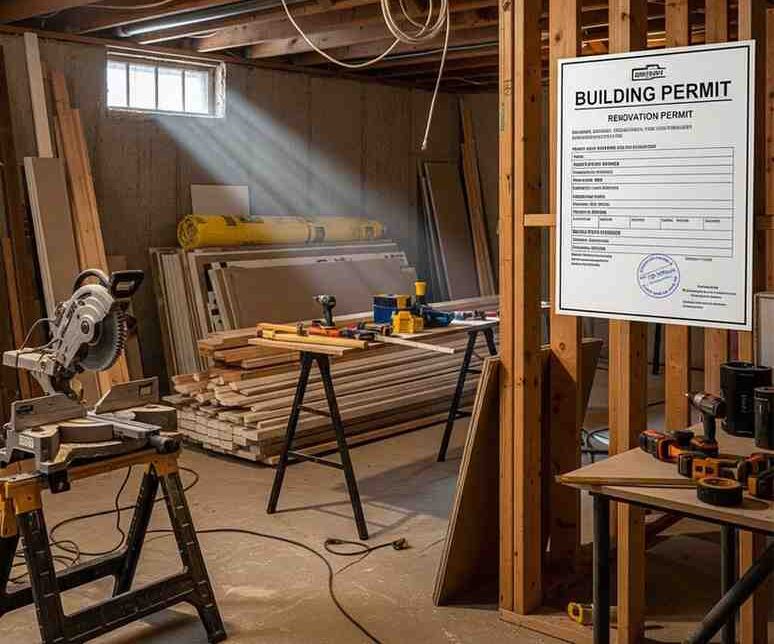
Most basement projects require building permits. Typical permit fees range between $500 and $2,000, depending on project scope.
Inspections
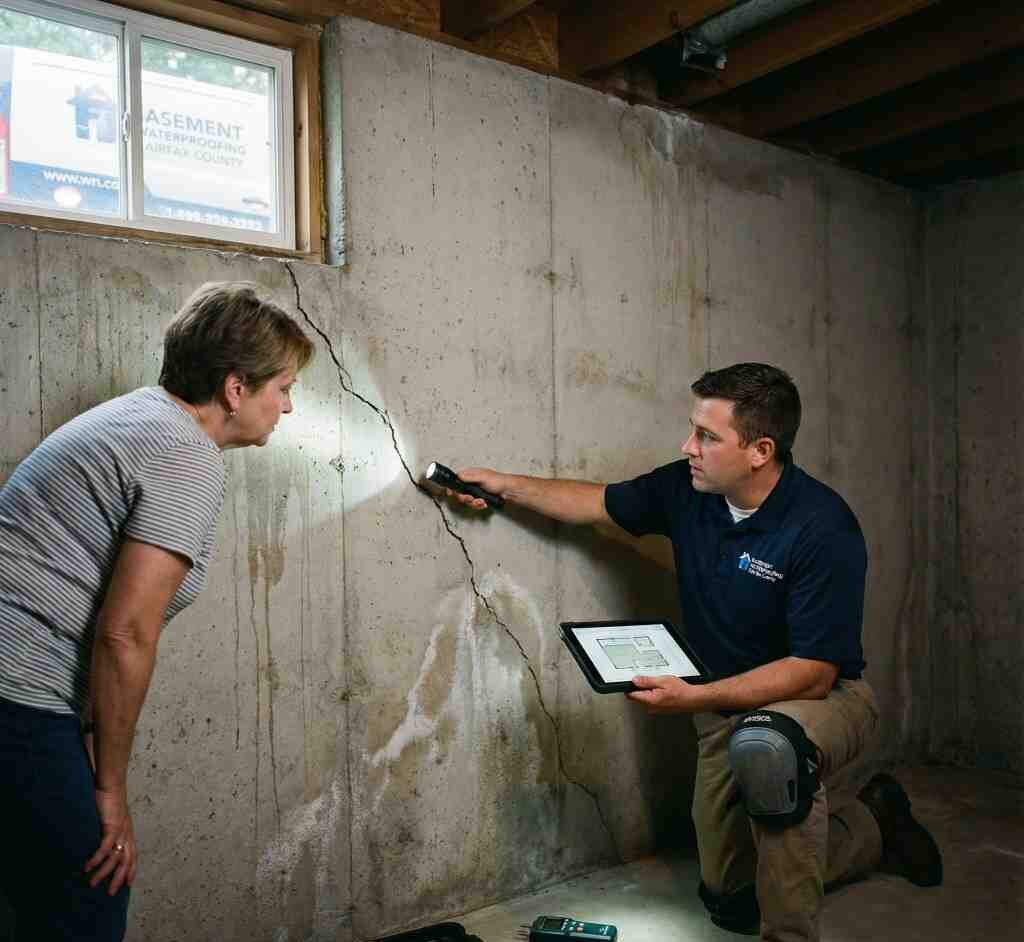
Municipal inspections ensure electrical and structural work meets building codes.
Inspection costs may add several hundred dollars to renovation budgets.
Moisture Control

Waterproofing systems can add $2,000–$10,000 if moisture problems appear during construction.
Ignoring these issues can damage finished basements later.
How to Estimate a Renovation Budget

Homeowners planning renovations should follow a structured approach when estimating costs.
Step 1: Measure the Space
Determine the square footage of the basement. Many contractors estimate projects based on per-square-foot costs, typically $30–$75 per square foot.
Step 2: Identify Structural Upgrades
Evaluate electrical systems, plumbing, and insulation before beginning construction.
Step 3: Collect Multiple Quotes
Homeowners should request at least three contractor estimates before selecting a builder.
Step 4: Add a Contingency Budget
Most renovation experts recommend adding 10–20% contingency funds to account for unexpected expenses.
Renovating vs Moving

Some homeowners debate whether to renovate or purchase a larger home.
Renovation may make sense when:
- housing prices in the area are rising quickly
- the homeowner likes the neighborhood
- additional space can be created economically
However, if renovation costs exceed $70,000 or $80,000, some homeowners may find it more practical to upgrade to a larger property. Evaluating both options carefully helps homeowners make financially sound decisions.
Financing Renovation Projects

Large renovation projects sometimes require financing.
Common funding options include:
- home equity loans
- home equity lines of credit (HELOCs)
- renovation mortgages
- personal savings
Home equity loans often offer lower interest rates because they use the property as collateral.
For example: A homeowner with $200,000 in home equity might borrow $40,000 to fund a basement renovation.
Frequently Asked Questions
Is finishing a basement worth the cost?
For many homeowners, finishing a basement increases usable living space and improves resale appeal. However, returns usually range between 60% and 75% of the renovation cost.
How often should a septic tank be pumped?
Most septic systems require pumping every 3–5 years depending on household size and usage.
What renovation adds the most value to a home?
Kitchen upgrades, bathroom renovations, and finished basements often provide the strongest returns in residential real estate.
How much does it cost to maintain a swimming pool?
The cost to maintain a pool typically ranges between $1,000 and $2,000 per year, depending on cleaning services and equipment.
What is the average cost to finish a basement?
The average cost to finish a basement usually ranges between $20,000 and $70,000, depending on size, materials, and construction complexity.
Conclusion
Renovating a basement can transform unused space into a valuable part of a home. Understanding the average cost to finish a basement helps homeowners plan realistic budgets and avoid financial surprises during construction.
Beyond basement renovations, homeowners should also consider related property expenses such as electrical upgrades, bathroom remodeling, septic system maintenance, and pool upkeep. These additional costs often influence renovation decisions more than homeowners expect.
By evaluating contractor estimates carefully, planning for hidden expenses, and budgeting conservatively, homeowners can turn renovation projects into long-term improvements that enhance both living space and property value.