

A home shows up as available online. You plan a visit, maybe even start thinking about your offer. Then the listing status changes to “contingent.” Suddenly, things feel uncertain. Is the contingent meaning on a house gone? Can you still compete for it? Or is there still a chance to step in?
Understanding the contingent meaning on a house is one of those small details that can completely change how you approach a deal. It’s not just a label—it reflects a specific stage in a real estate transaction, and knowing how to respond can save you time, money, and missed opportunities.
Table of Contents
ToggleWhat Does Contingent Meaning On A House

When a property is marked as contingent meaning on a house. It means the seller has accepted an offer, but the deal is not finalized yet. Certain conditions—called contingencies—must be met before the sale can move forward.
These conditions act like checkpoints. If all of them are satisfied, the deal moves toward closing. If not, the agreement can fall apart.
To simplify:
- The seller has chosen a buyer
- The contract is signed
- The sale depends on specific conditions being fulfilled
That’s the core of what contingent means on a house. It’s not sold yet, but it’s no longer fully available either.
Contingent Meaning On A House In Real Estate Transactions
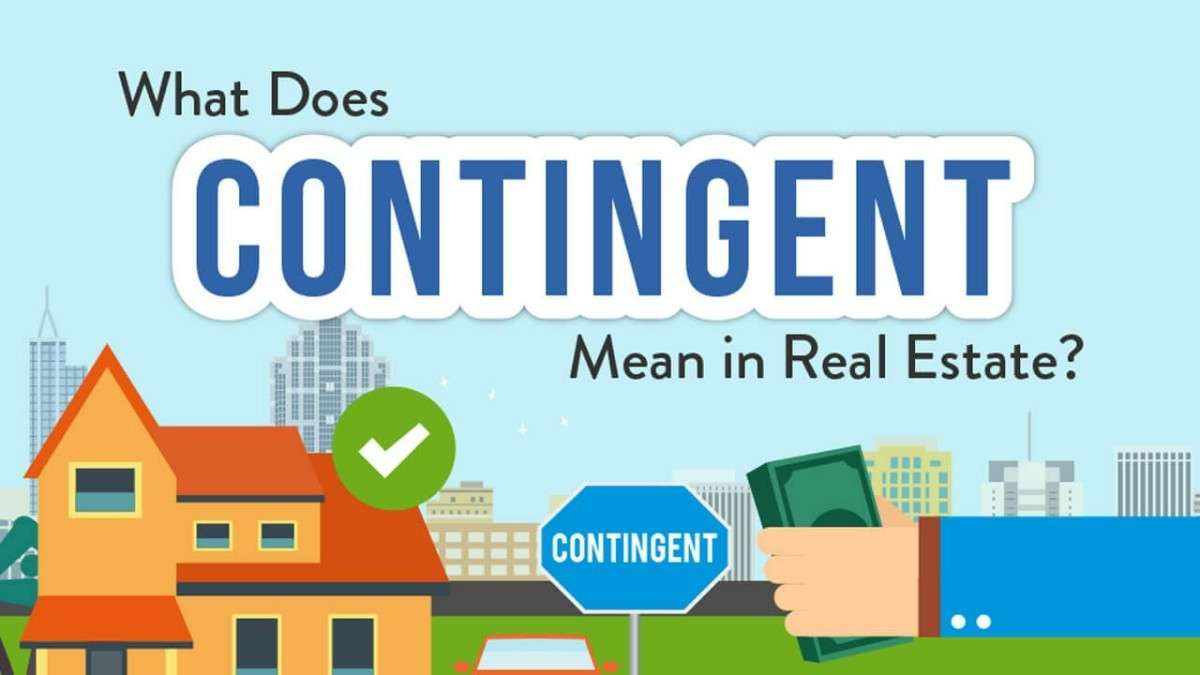
In a broader sense, what contingent means in real estate comes down to conditional agreements. Every transaction involves risk, and contingencies help manage that risk for both buyers and sellers.
Here’s how it works in practice:
- Buyer submits an offer
- Seller accepts the offer
- Both parties agree on conditions
- The property status becomes “contingent.”
At this stage, several things can still go wrong. For example:
- The buyer’s loan may not get approved
- The home inspection might reveal major issues
- The property could appraise for less than the agreed price
Because of these possibilities, a contingent deal is still in progress—not guaranteed.
Types Of Contingencies In A Home Sale

Different deals include different conditions. Understanding these helps clarify what does contingent means on real estate listings you see.
Financing Contingency
This protects the buyer in case they cannot secure a mortgage.
If the lender denies the loan:
- The buyer can walk away
- The deposit is usually refunded
For sellers, this introduces uncertainty. A deal can collapse even after acceptance.
Inspection Contingency

This allows the buyer to inspect the property before committing fully.
Common outcomes:
- Buyer accepts the home as-is
- Buyer requests repairs
- Buyer negotiates a price reduction
- Buyer cancels the deal
Inspection issues are one of the most common reasons contingent deals fail.
Appraisal Contingency
Lenders require the home to be valued at or above the purchase price.
Buyers can also review a comparative market analysis (CMA) to better understand whether the agreed price matches current market conditions.
If the appraisal comes in low:
- The buyer may renegotiate
- The buyer may pay the difference
- The deal may fall apart
This is especially relevant in competitive markets where offers exceed listing prices.
Reviewing recently sold homes in the area can help buyers and sellers understand whether an appraisal reflects realistic market values.
Home Sale Contingency

This means the buyer must sell their current home before finalizing the home purchase.
For example:
- Buyer’s existing property is still on the market
- New purchase depends on that sale closing
This type of contingency can delay or even cancel deals, making sellers cautious.
Contingent Vs Pending – Key Differences Explained
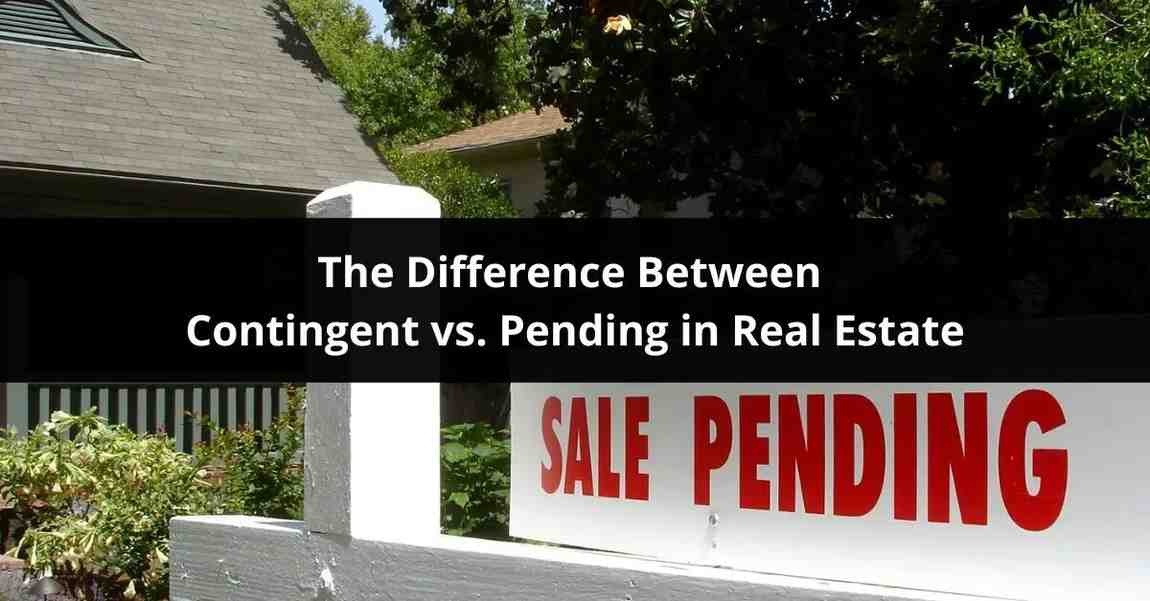
Many buyers confuse these two statuses. However, the difference is important—especially when comparing contingent deals with under contract vs pending situations.
Contingent:
- Conditions still need to be met
- The deal can still fail
- Backup offers may be accepted
Pending:
- All contingencies have been satisfied
- The deal is close to completion
- Lower chance of cancellation
If you’re wondering what does contingent meaning on a house mean on a home sale, think of it as an earlier stage than pending. It’s a deal with conditions still in play.
Can You Still Make An Offer On A Contingent Meaning On A House
Yes, in many cases, you can.
Even when a home is under contract, sellers may:
- Accept backup offers
- Continue showing the property
- Keep options open in case the deal fails
However, your position depends on how attractive your offer is.
To improve your chances:
- Offer a competitive price
- Limit unnecessary contingencies
- Show strong financial readiness
Understanding the contingent meaning on a house meaning on a house meaning helps you recognize that opportunities still exist—even when a property seems taken.
What Happens During The Contingency Period

Once a home enters contingent status, several key activities take place.
For Buyers:
- Schedule inspections
- Finalize financing
- Review property disclosures
Buyers should also review property ownership documents carefully to ensure there are no title issues before closing.
For Sellers:
- Monitor buyer progress
- Keep backup options open
- Prepare for closing
This phase typically lasts 2 to 4 weeks, depending on the agreement.
During this stage, both buyers and sellers should also prepare for home closing costs and other expenses required before ownership transfers.
The process may feel quiet from the outside, but behind the scenes, it’s one of the most critical stages of the transaction.
Risks And Advantages For Buyers

Buying a home under contingency comes with both opportunity and risk.
Advantages:
- Less competition compared to active listings
- Chance to secure a deal if the first buyer backs out
- Potential negotiation leverage
Risks:
- Uncertainty about availability
- Possible wasted time if the deal closes with the original buyer
- Limited negotiating power in a backup position
Understanding contingent meaning in house scenarios helps buyers decide whether to pursue or move on when comparing multiple opportunities in competitive markets.
Risks And Benefits For Sellers

From the seller’s perspective, contingent meaning on a house deal also has trade-offs.
Benefits:
- Agreement secured with a buyer
- Clear path toward closing
- Defined timeline
Risks:
- The buyer may not meet the conditions
- Delays caused by financing or inspections
- Missed opportunities with other buyers
This is why many sellers continue accepting backup offers even after going contingent.
Examples Of Contingent Meaning On A House Deals

To make this clearer, consider a few realistic situations.
Example 1: Inspection Issue
A buyer agrees to purchase a home for $350,000. During inspection, they discover roof damage requiring $15,000 in repairs.
Outcome:
- Buyer negotiates a price reduction
- Seller agrees
- Deal continues
Example 2: Financing Failure
The buyer’s loan application gets rejected due to credit issues.
Outcome:
- Buyer exits the contract
- Seller returns to the market
- Backup offer may be activated
Example 3: Appraisal Gap
Home is under contract for $500,000, but appraises at $470,000.
Outcome:
- Buyer renegotiates
- Seller reduces price
- Deal moves forward
These examples show that contingent meaning in house deals is dynamic, not fixed.
Tips To Strengthen Your Offer In A Contingent Situation

If you want to compete for a home already under contract, strategy matters.
Focus on Certainty
Sellers value reliability. You can stand out by:
- Getting pre-approved
- Offering a larger earnest deposit
- Reducing unnecessary conditions
Be Flexible
Flexibility can make your offer more appealing:
- Adjust closing timelines
- Accept minor repairs
- Show willingness to cooperate
Act Quickly
Timing matters. When a deal falls through, sellers often move fast.
Stay ready to:
- Submit an offer immediately
- Respond quickly to counteroffers
Work with an Experienced Agent
An agent can help you:
- Track contingent listings
- Identify weak deals
- Position your offer effectively
These steps increase your chances of stepping in when an opportunity opens.
FAQ Section
Can a contingent meaning on a house offer fall through?
Yes. If any condition is not met, such as financing approval or inspection results, the deal can collapse.
How long does contingent meaning on a house stay contingent?
Typically,2 to 4 weeks. However, this can vary depending on the agreement and delays in financing or inspections.
Can a seller accept another offer while contingent?
Yes. Sellers can accept backup offers, which become active if the original deal fails.
Is contingent better than pending?
contingent meaning on a house offers more opportunity for new buyers since conditions are still open. Pending means the deal is closer to completion.
Should I wait or move on?
It depends on your timeline and the property’s value. If it’s a strong opportunity, submitting a backup offer can be worthwhile.
Conclusion
Understanding the contingent meaning on a house gives you a clear advantage in real estate decisions. Instead of assuming a property is off the market, you can evaluate whether there’s still a realistic chance to secure it.
For buyers, contingent listings represent hidden opportunities—especially when deals fall through. For sellers, they offer a structured path toward closing, but not without risk.
The next time you see a property marked as contingent:
- Look at the type of contingency involved
- Assess how likely the deal is to close
- Decide whether submitting a backup offer makes sense
Real estate decisions are rarely black and white. Contingent status sits right in that gray area—and knowing how to navigate it can make all the difference.