

How to assume a mortgage becomes a critical question when mortgage rates don’t usually double in a short span, but when they do, buyers start looking for creative ways to avoid paying today’s higher interest rates. One option quietly gaining traction is taking over an existing loan instead of starting from scratch. If you’re trying to understand how this process works, this guide breaks down the steps, costs, risks, and tools involved without the usual confusion.
Table of Contents
ToggleWhat It Means to Assume a Mortgage (Simple Explanation)

When you assume a mortgage, you take over the seller’s existing home loan. That means:
- You inherit the current interest rate
- You continue the remaining loan term
- You take responsibility for payments
For example, if a seller locked in a 3% interest rate a few years ago, assuming that the loan allows you to keep that low rate, even if current rates are 7%.
However, this is not as simple as swapping names on paperwork. The lender must approve you, and you must meet financial requirements.
How to Assume a Mortgage Step-by-Step

Understanding how to assume a mortgage becomes easier when broken into clear steps.
Step 1: Confirm the Loan Is Assumable
Not all mortgages qualify. Most conventional loans are not assumable, but government-backed loans often are.
Step 2: Get Seller Cooperation
The seller must agree to the transfer. Without their approval, the process cannot begin.
Step 3: Apply With the Lender
You’ll go through underwriting—similar to applying for a new loan. Expect checks on:
- Credit score
- Income
- Debt-to-income ratio
Step 4: Cover the Equity Gap
If the home value is higher than the remaining loan, you must pay the difference.
Example:
- Home price: $400,000
- Remaining loan: $300,000
- You must cover $100,000
Step 5: Final Approval and Transfer
Once approved, the lender transfers the loan into your name, and you take over payments.
Types of Loans That Are Assumable (FHA, VA, USDA)
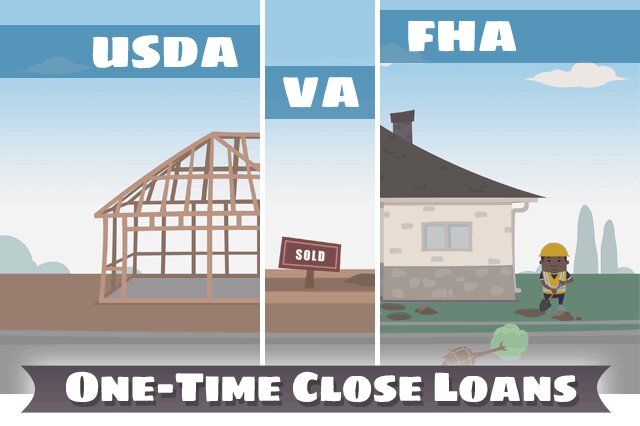
Most assumable mortgages fall under government-backed programs.
FHA Loans
- Easier qualification
- Lower down payment requirements
- Common for first-time buyers
VA Loans
- Available to eligible military borrowers
- May require substitution of entitlement
USDA Loans
- Designed for rural properties
- Income restrictions apply
These loans are structured to allow transfer, making them ideal for assumption scenarios.
Where to Find Assumable Mortgage Listings

Finding properties with assumable loans takes more effort than browsing typical listings.
Common Sources:
- Specialized real estate platforms
- Local agents familiar with assumption deals
- Direct seller inquiries
Some platforms specifically highlight assumable mortgage listings, but inventory is limited. You may need to ask sellers directly if their loan qualifies.
Example Scenario (Minnesota Case Study)
Consider a buyer exploring a Minnesota assumable mortgage.
- Seller purchased the home in 2020
- Interest rate: 2.9%
- Remaining balance: $280,000
- Current market rate: 6.8%
The buyer assumes the loan and saves over $800 per month compared to a new mortgage.
However, they must bring $120,000 upfront to cover the price difference.
This example shows both the opportunity and the challenge—lower monthly costs but higher initial cash.
How to assume a Mortgage Assumption in Costs Involved

: How to assume a mortgage: Assuming a loan is not free, but it’s often cheaper than a new mortgage.
Typical Costs:
- Assumption fee: $500–$1,500
- Closing costs: 2%–5% of loan value
- Title and legal fees
- Equity payment to the seller
Compared to traditional loans, you may avoid:
- Origination fees
- Discount points
Overall, savings depend on how much equity you must cover upfront.
Comparing Mortgage Assumption vs New Loan Options

It’s important to compare the assumption with other financing methods.
Mortgage Assumption
Pros:
- Lower interest rate
- Reduced long-term cost
Cons:
- High upfront cash requirement
- Limited property availability
New Mortgage

Pros:
- Flexible loan options
- Lower upfront equity payment
Cons:
- Higher interest rate
- Higher monthly payments
Alternative Financing
Some buyers consider options like a hard money loan for a primary residence. These loans:
- Close quickly
- Require less documentation
But they often come with:
- Interest rates above 10%
- Short repayment terms
This makes them useful only in specific situations, not long-term solutions.
Tools Used in Mortgage Processing

Behind the scenes, lenders rely on digital systems to process loans efficiently.
Loan Origination Systems Explained
A loan origination system is software that manages:
- Application intake
- Document verification
- Credit checks
- Approval workflows
These systems reduce manual errors and speed up approvals. For buyers, this means faster processing and clearer communication.
Lenders and Platforms to Know
When navigating mortgage assumption or new financing, you may encounter platforms like:
- The Loan Store
- Fairway Mortgage
Some lenders provide online portals, such as Fairway Mortgage login, where borrowers can:
- Track applications
- Upload documents
- Monitor loan status
Similarly, services like the loan store offer streamlined lending experiences, especially for brokers and digital-first users.
How to Remove PMI and Reduce Loan Costs

Private Mortgage Insurance (PMI) increases monthly payments. Removing it can significantly reduce costs.
When Can You Remove PMI?
- When equity reaches 20%
- After a formal appraisal
- Through refinancing (if needed)
Using a Calculator
A PMI removal calculator helps estimate when you qualify for removal. It considers:
- Loan balance
- Property value
- Payment history
Using such tools can save hundreds of dollars monthly over time.
Common Mistakes Buyers Make
Mortgage assumption sounds simple, but mistakes can be costly.
1. Ignoring the Equity Gap
Many buyers underestimate how much cash they need upfront.
2. Not Checking Loan Eligibility
Assuming all loans are transferable leads to wasted time.
3. Skipping Financial Comparison
Sometimes a new loan may actually be better, especially with incentives.
4. Overlooking Approval Requirements
Even though you’re taking over a loan, you still need strong financials.
5. Not Planning for Future Flexibility
Assumed loans may limit refinancing or modification options.
When Mortgage Assumption Is a Smart Strategy

Assuming a loan makes sense in specific situations:
- Interest rates are significantly higher than the existing loan rates
- You have enough cash to cover the equity difference
- The seller is motivated and cooperative
It’s especially useful for buyers focused on long-term savings rather than short-term liquidity.
FAQ Section
Can anyone know how to assume a mortgage?
No. You must meet the lender’s credit and income requirements.
Do you need lender approval?
Yes. The lender must approve the transfer before it can proceed.
How to assume a mortgage more cheaply?
In many cases, yes—especially when interest rates are much lower than current market rates.
What credit score is required?
Requirements vary, but most lenders expect a score similar to standard mortgage approvals.
How long does the process take?
Typically 30–60 days, depending on the lender’s processing speed.
Conclusion
Learning how to assume a mortgage opens up a financing option many buyers overlook. It can deliver significant savings, especially in high-rate environments, but it comes with trade-offs—mainly upfront costs and limited availability.
If you’re considering this route, start by:
- Identifying assumable properties
- Evaluating your available cash
- Comparing total costs with a new loan
- Working with a lender familiar with assumption
Done correctly, mortgage assumption isn’t just an alternative—it can be a strategic advantage in the right market conditions.