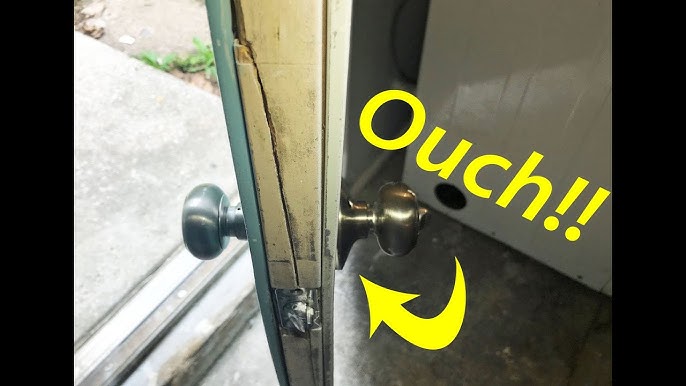
A homeowner might notice small cracks forming around the door frame after years of daily use. At first, it seems like normal wear. But then the lock begins to feel loose, and the frame creaks when the door closes. In some cases, these small issues can eventually lead to larger problems, such as forced entry vulnerabilities or costly repairs. Front doors experience constant stress. Like many common household repairs, addressing small issues early can prevent larger and more expensive problems later. Every time the door is opened, slammed shut, or exposed to weather, the surrounding hardware absorbs the impact. Over time, wood splinters, hinges loosen, and the door frame weakens. One simple upgrade that many homeowners overlook is installing a Door Protector, a piece of hardware designed to reinforce vulnerable areas of the door and frame.
This guide explains what these devices are, how they work, and why they can significantly improve both durability and security in residential homes. Along with security, creating a comfortable home involves improving both indoor and outdoor living spaces.
What a Door Protector Is and How It Works
A Door Protector is a hardware component designed to reinforce key parts of a door that are vulnerable to damage or forced entry. It typically consists of metal plates, edge guards, or reinforcement brackets installed around the lock area or along the door frame.
These devices serve two main purposes:
- Strengthening weak structural areas
- Preventing physical damage from daily use
For example, a homeowner might install a steel plate around the deadbolt area if the wood around the lock begins to crack. A typical reinforcement plate costs between $15 and $40 and can extend the lifespan of the door significantly.
Many homeowners invest in Door Protection upgrades after noticing wear around the lock or hinge areas.
Why Homeowners Need Door Protection
Doors are one of the most heavily used features of a home. Maintaining essential home systems alongside entry points helps keep a house safe, functional, and comfortable. A front door might open and close 10–20 times per day in a busy household.
Over time, this repeated stress can cause several issues:
- Loosening of hinges
- Cracks around the lock plate
- Frame splitting near the strike plate
- Cosmetic damage to door edges
Installing Door Protection hardware helps distribute the force from these daily impacts across a stronger surface.
This reinforcement is especially important for older wooden doors, which may weaken after decades of use.
Common Causes of Door Damage
Understanding how doors get damaged helps homeowners choose the right reinforcement hardware, especially when evaluating broader structural upgrades like major capital improvements.
Weather Exposure
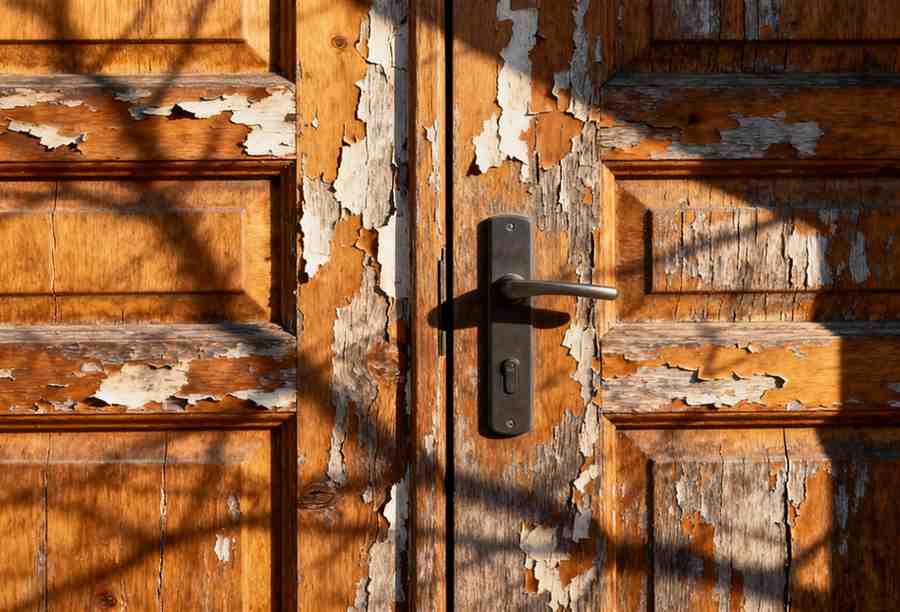
Outdoor doors face rain, humidity, and temperature changes. Homeowners investing in screen enclosures should also protect nearby entry doors from long-term weather exposure. Wood expands and contracts with weather cycles.
This movement gradually weakens door frames and lock areas.
Repeated Slamming

Heavy doors or strong wind gusts can slam doors against frames. This repeated impact eventually cracks wood around hinges or locks.
Forced Entry Attempts
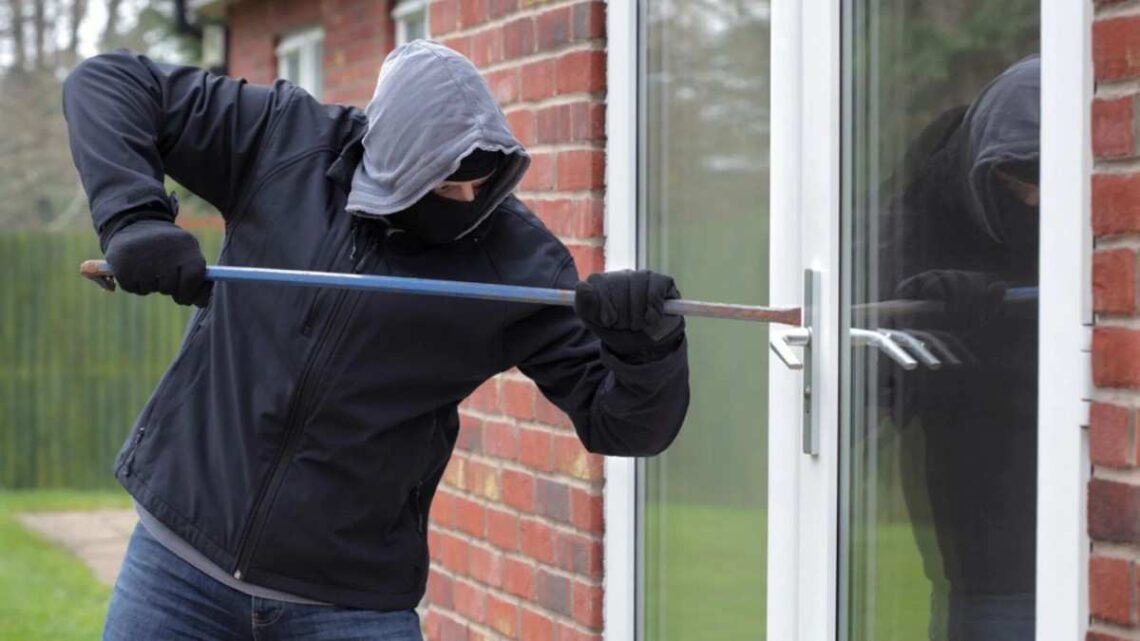
Unfortunately, many break-ins occur through front doors. According to several home security studies, roughly 30% of burglars enter through the front door.
In these cases, reinforcing the door with a Door Protector may help prevent the frame from splitting during an attempted kick-in.
Lock Hardware Wear

Deadbolts and strike plates loosen over time. If screws become loose or stripped, the surrounding wood may deteriorate.
Types of Door Protectors

Several different hardware options exist depending on the type of damage or reinforcement needed.
Door Edge Protectors
Edge protectors cover the outer edge of the door near the latch area. Benefits include:
- Preventing wood splitting
- Protecting against scratches
- Strengthening the latch area
Many homeowners install these when they want to protect the door from damage caused by frequent closing.
Reinforcement Plates
Reinforcement plates strengthen the area around the lock. They are typically installed between the door and the deadbolt hardware. Prices range between $15 and $50, depending on thickness and design. These plates provide additional Door Frame Protection by distributing pressure from the lock.
Door Frame Shields
Frame shields are long metal plates that reinforce the door frame itself. They usually extend 12–48 inches vertically along the frame near the strike plate. This design strengthens the weakest point of many residential doors. Installing these shields improves Front Door Protection against forced entry.
Door Security Guards
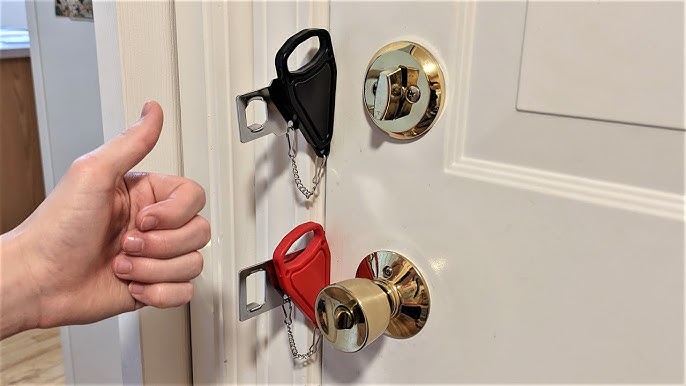
A Door Security Guard is a latch-based reinforcement device mounted on the inside of the door. It allows the door to open slightly while preventing someone from forcing it open. Many homeowners install a Door Security Guard as an additional safety measure along with a deadbolt. These devices cost between $10 and $25 and are easy to install.
How Door Frame Protection Improves Home Security
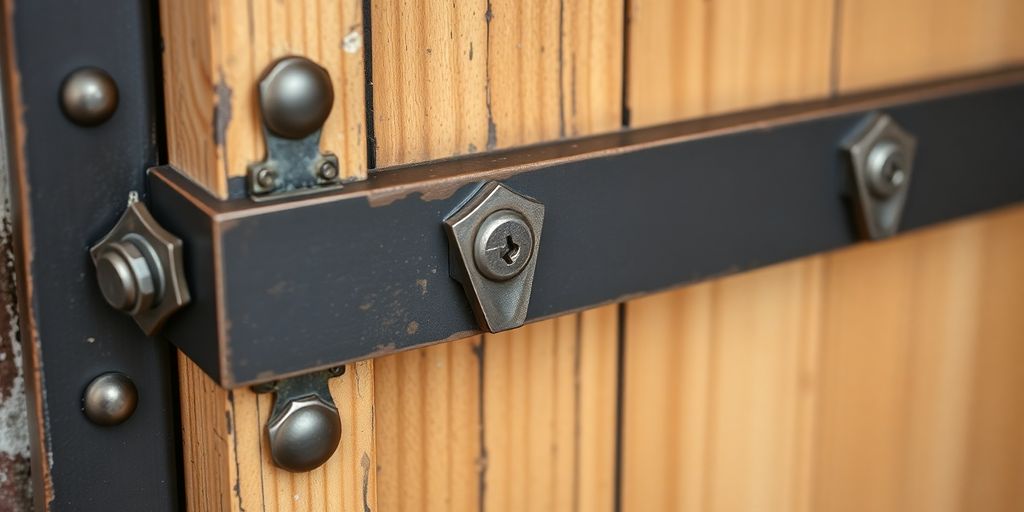
Most forced entry attempts occur at the door frame rather than the door itself. This happens because wooden frames often split when force is applied near the strike plate. Strengthening the frame improves overall security.
Reinforcing the Strike Plate Area
Upgrading the strike plate screws from short factory screws to 3-inch steel screws can dramatically increase resistance to kick-ins.
Adding reinforcement plates provides additional Door Frame Protection.
Hinge Reinforcement
Door hinges are another weak point.
Security hinge screws or hinge reinforcement kits help distribute stress across the door frame.
These small upgrades significantly improve overall door strength.
Installation Options for Door Protectors

Most reinforcement hardware can be installed with basic tools. Homeowners who enjoy DIY home repairs can often complete this project without hiring a contractor.
DIY Door Protector Installation
Many homeowners choose to install reinforcement hardware themselves.
Typical tools include:
- Drill or Screwdriver
- Measuring tape
- Level
- Wood screws
Installing a Door Protector usually takes 20–40 minutes, depending on the hardware type.
Professional Door Protector Installation
Some situations require professional help.
Examples include:
- Metal door installations
- Damaged door frames requiring repair
- Complex security systems
Professional installation may cost between $80 and $200 depending on labor rates.
Cost Ranges for Door Protection Hardware
Reinforcement hardware is one of the most affordable home security upgrades available.
Typical cost ranges include:
- Door edge protectors: $10–$30
- Reinforcement plates: $15–$50
- Frame shields: $30–$90
- Latch guards: $10–$25
A homeowner can significantly improve Front Door Protection for under $100 in many cases.
How to Choose the Right Door Protector
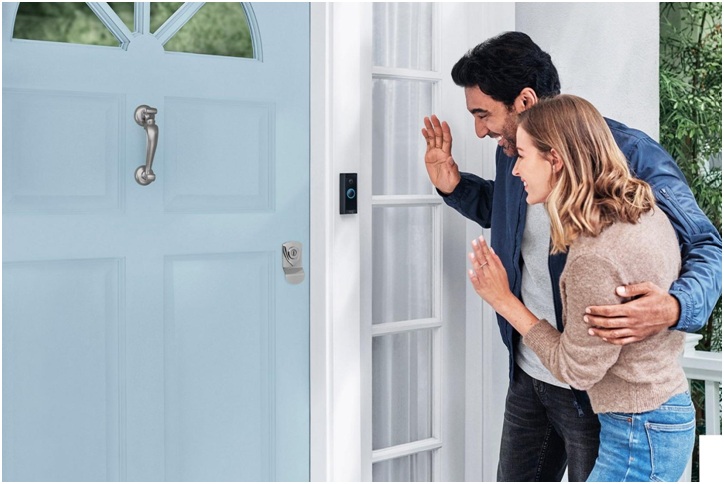
Selecting the right hardware depends on the type of door and existing damage.
Wood Doors
Wood doors benefit from reinforcement plates and edge guards that help Protect Door From Damage caused by expanding wood.
Metal Doors
Metal doors often require heavy-duty reinforcement kits designed specifically for steel construction.
Exterior Entry Doors
Front entry doors require the strongest protection. The same attention should be given to every screened porch entrance, where durable doors help improve both security and usability. Combining a Door Protector with a deadbolt and a Door Security Guard provides layered security.
Step-by-Step Guide to Installing a Door Protector

Installing reinforcement hardware can usually be done with a few simple steps.
- Remove the existing strike plate or latch plate.
- Align the reinforcement plate with the lock area.
- Mark screw holes carefully.
- Drill pilot holes if necessary.
- Secure the plate using longer screws.
Proper alignment is critical for effective Door Protection.
Common Mistakes Homeowners Make

Even simple upgrades can fail if installed incorrectly.
Using Short Screws
Many factory door screws are only ½ inch long. These screws do not reach the structural framing behind the door frame.
Upgrading to longer screws dramatically improves Door Frame Protection.
Ignoring Frame Damage
If the frame is already cracked, reinforcement hardware alone may not fix the problem.
The damaged wood must be repaired before installing protection hardware.
Installing Hardware Incorrectly
Improper alignment can prevent doors from closing correctly.
Measuring carefully helps avoid these problems.
Real-World Scenario
A homeowner in Texas noticed their front door frame splitting near the deadbolt area. After researching solutions, they installed a steel reinforcement plate costing $35 and replaced the strike plate screws with 3-inch security screws.
The entire project took less than an hour.
Several months later, the homeowner reported that the door felt significantly stronger and closed more securely. This simple upgrade improved both durability and Front Door Protection.
When to Replace a Door Protector

Although reinforcement hardware lasts many years, it may eventually need replacement. Signs include:
- Visible bending or damage
- Loose screws that no longer tighten
- Rust on metal components
- Continued door movement despite reinforcement
Replacing damaged hardware helps maintain proper Door Protection.
Frequently Asked Questions
Do door protectors stop forced entry?
Reinforcement hardware significantly increases resistance to kick-ins, especially when combined with longer screws and strong deadbolts.
Can you install a door protector without drilling?
Some latch-style guards require minimal installation, but most reinforcement plates need screws for proper support.
How much does a door protector cost?
Basic hardware typically ranges between $10 and $50, making it one of the most affordable security upgrades.
Are door protectors compatible with smart locks?
Yes. Most reinforcement plates work with standard deadbolts, including many smart lock systems.
Do door protectors damage the door frame?
When installed correctly, they actually strengthen the frame rather than damage it.
How long does installation take?
Most installations take 20–40 minutes with basic tools.
Conclusion
Front doors experience constant wear from daily use, weather exposure, and potential security risks. Over time, even strong doors can develop weak points around locks, hinges, and frames.
Installing a Door Protector is a simple and cost-effective way to reinforce these vulnerable areas. If you’re preparing to sell a home, improving your front entry can also leave a stronger first impression on buyers. Whether homeowners want to Protect Door From Damage, strengthen their entryway against forced entry, or simply extend the lifespan of their door, reinforcement hardware offers a practical solution. If you’re buying or selling property, understanding ownership costs beyond physical improvements is equally important.
With the right tools and a small investment, homeowners can dramatically improve both the durability and safety of their entry doors. These upgrades may also support a future home sale, making it worthwhile to understand the tax considerations involved.