Most homeowners don’t plan for screen enclosures—they end up needing one after a few frustrating evenings outside. You set up your patio furniture, maybe even invest in lighting, and then reality hits: mosquitoes swarm, dust settles overnight, and cleaning becomes routine. What looked like a relaxing outdoor space suddenly feels impractical. That’s usually the moment people start looking for a better solution.
This guide walks you through everything you need to know—from types and materials to costs and installation—so you can make a smart, long-term decision.
What Are Screen Enclosures

Screen enclosures are framed structures fitted with mesh screening to create a protected outdoor space. They’re commonly built around patios, decks, and pools to keep out insects, debris, and sometimes even harsh sunlight. Homeowners considering porch screening often use similar materials and installation methods to create comfortable outdoor living spaces.
But the real reason people install them isn’t just comfort—it’s usability. Creating comfortable living spaces, both indoors and outdoors, can make a noticeable difference in everyday life. An outdoor space that’s hard to maintain or unpleasant to sit in simply doesn’t get used.
Here’s what homeowners typically gain:
- Insect protection without using sprays or repellents
- Reduced cleaning effort thanks to debris control
- Shade and UV reduction, especially in hotter climates
- Improved home value, particularly for well-designed installations
If you’re preparing a home for resale, outdoor improvements like screened living areas can enhance buyer appeal alongside other selling strategies.
A well-built enclosure often turns a rarely used area into one of the most used spaces in the home. Improving overall home comfort also means keeping essential systems, like hot water, operating efficiently throughout the year.
Types Of Patio Screen Enclosures

Not all patio screen enclosures are built the same. The right choice depends on how you use your space, your budget, and how permanent you want the structure to be.
Removable Systems
Removable or modular systems offer flexibility.
- Panels can be removed or replaced.
- Easier to maintain or upgrade
- Lower initial investment
For homeowners who want a semi-permanent solution, modular systems are a practical middle ground.
Aluminum vs Wood Frames
The frame material affects durability, maintenance, and overall appearance.
Aluminum frames
- Lightweight and rust-resistant
- Minimal maintenance required
- Common in modern builds
Wood frames
- Warmer, traditional look
- Can be customized easily
- Requires regular sealing or painting
Most modern installations lean toward aluminum for longevity, especially in humid or coastal areas.
Screen Enclosures for Patio: Material Options

Choosing the right screen for patio applications is just as important as the structure itself. The material determines visibility, airflow, durability, and maintenance.
Fiberglass Screens
This is the most common option for residential use.
- Affordable and widely available
- Good visibility and airflow
- Flexible and easy to install
However, fiberglass can tear more easily than other materials, especially in high-traffic areas.
Aluminum Mesh

Aluminum offers more strength compared to fiberglass.
- Resistant to sagging
- Better durability in extreme conditions
- Slightly less flexible
It’s often used in areas where the screen needs to withstand stronger winds or minor impacts.
Pet-Resistant Screens
Designed for homes with dogs or cats, these screens are reinforced.
- Thicker material prevents tearing
- Ideal for lower panels
- Slightly reduced airflow due to density
If pets regularly interact with the enclosure, this upgrade can save you frequent repairs.
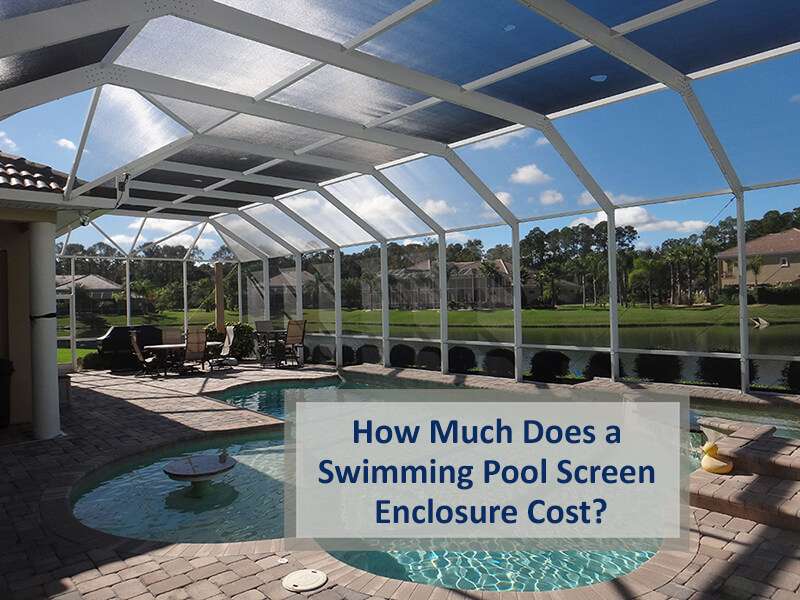
Pool Screen Systems: Protection And Maintenance

A pool screen setup is one of the most popular upgrades in warmer climates. It transforms pool areas into cleaner, safer, and more usable spaces.
Why Install a Pool Screen
- Keeps leaves and insects out of the water
- Reduces chemical usage due to less contamination
- Provides partial shade, lowering water evaporation
Many homeowners notice a clear difference in maintenance effort within weeks of installation.
Maintenance Requirements
Even the best systems need regular care. Routine home maintenance also helps identify electrical and structural issues before they become expensive repairs.
- Rinse screens monthly to remove dust and pollen
- Inspect for small tears before they expand
- Clean frames to prevent buildup
With basic upkeep, a pool screen can last well over a decade.
Screened-In Deck Vs Open Deck
If you’re deciding between a screened-in deck and an open design, the choice comes down to how you plan to use the space.
Screened Deck

Advantages
- Comfortable in all seasons
- Fewer insects and less debris
- Extended usability during evenings
Drawbacks
- Higher upfront cost
- Slightly reduced open-air feel
Open Deck

Advantages
- Lower cost to build
- Full outdoor experience
- Easier to modify later
Drawbacks
- Requires more cleaning
- Limited usability during certain seasons
If your deck currently sits unused for large parts of the year, screening it often makes more sense than expanding it.
Cost Breakdown Of Screen Enclosures
Understanding costs upfront helps avoid surprises and keeps your project realistic.
Patio Enclosure Costs
- Basic setups: $1,200 – $3,000
- Mid-range designs: $3,000 – $7,000
- Large custom builds: $7,000 – $10,000+
Pool Enclosure Costs
- Standard installations: $5,000 – $12,000
- Larger or custom structures: $12,000 – $20,000+
Cost Per Square Foot
- Average: $6 – $25 per sq ft
- Higher-end materials or complex designs push this upward
Labor typically accounts for 40–60% of total cost, especially for larger structures.
Factors That Affect Installation Cost
Costs vary significantly depending on several key factors. Regional living costs can also influence labor rates and the overall price of outdoor improvement projects.
- Size of the area
- Frame material
- Screen type
- Design complexity
- Location and labor rates
A simple rectangular structure is always more affordable than a custom-shaped enclosure.
Step-By-Step Installation Process
Even if you hire professionals, understanding the process helps you manage the project better.
- Planning and measurement
Accurate dimensions determine material requirements and cost. - Frame installation
The structural frame is anchored securely. - Screen enclosures attachment
The mesh is stretched and fixed into the frame. - Door and access setup includes reinforcing entry points for daily use. It’s also worth taking steps to protect exterior doors from weather damage and potential security risks.
Entry points are added with reinforced edges. - Final inspection
Ensures there are no gaps, loose panels, or alignment issues.
For DIY installations, smaller patio projects are manageable. Larger structures usually require professional help.
Common Mistakes Homeowners Make

Avoiding a few common mistakes can save both time and money.
- Choosing the cheapest material without considering durability
- Ignoring local weather conditions
- Skipping proper drainage planning
- Underestimating maintenance needs
- Not checking local building codes
A slightly higher upfront investment often reduces long-term repair costs.
Maintenance Tips To Extend Lifespan

Proper care keeps your enclosure looking and performing like new.
- Clean screens every 4–6 weeks
- Check for tears after storms
- Trim nearby plants to prevent damage
- Wash frames to avoid buildup
- Replace worn sections early
Most systems last 10–20 years with consistent maintenance.
FAQ
How long do screen enclosures last?
Most installations last between 10 and 20 years, depending on materials, weather conditions, and maintenance.
Are pool screens worth it?
Yes, especially if you use your pool regularly. They reduce cleaning time, protect water quality, and improve comfort.
Can I install a screen enclosure for the patio myself?
Small, simple projects are manageable for DIY homeowners, while larger or more complex designs usually require professional installation.
Do screened decks add home value?
In many cases, yes. If you’re buying or selling property, understanding ownership costs beyond renovations is equally important. Additionally, they increase usable living space and appeal to buyers looking for low-maintenance outdoor areas. If you’re selling a home, understanding potential tax implications is just as important as making value-boosting improvements.
What is the best material for outdoor screens?
Fiberglass works well for most homes. For durability, aluminum or pet-resistant screens are better options.
Conclusion
Choosing the right enclosure comes down to how you use your outdoor space and how much maintenance you’re willing to handle. A simple patio setup may only need basic screen enclosures, while larger upgrades often require planning similar to using a home addition cost calculator to estimate total project costs.
If your outdoor space already feels underused, adding screening is one of the most practical upgrades you can make. Even rental home outdoor spaces can benefit from removable or landlord-approved screening solutions where permitted. Start by evaluating your space, setting a realistic budget, and deciding whether you want a temporary or permanent solution. From there, the right system becomes much easier to choose.