
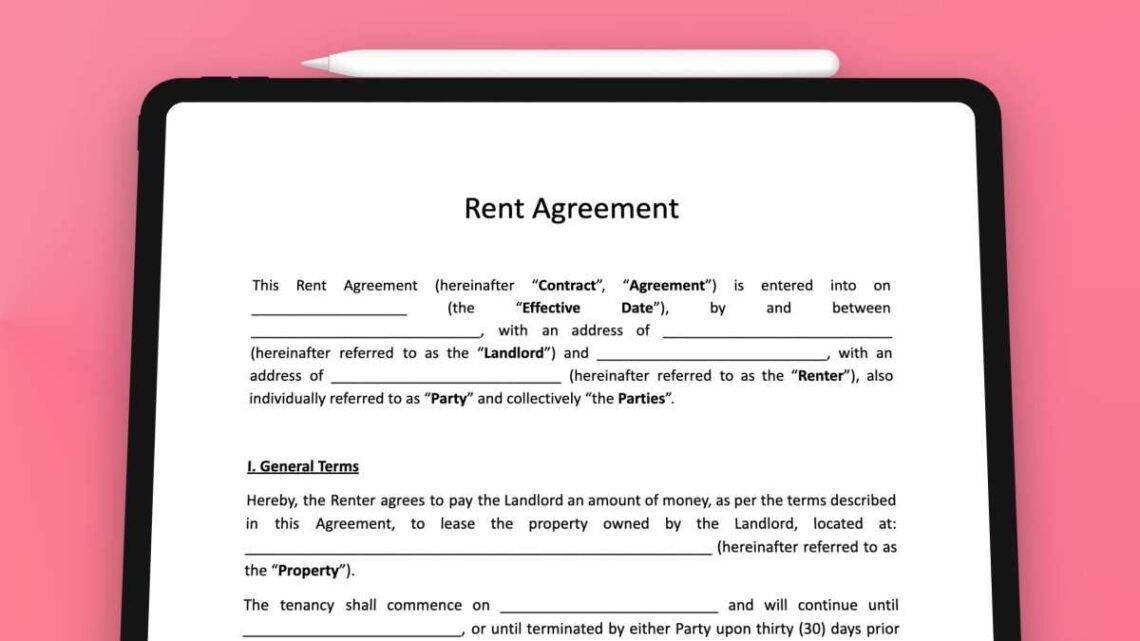
Traditional mortgage approvals have become stricter, and many buyers with decent incomes still struggle to qualify. That’s exactly where rent to own contract template steps in. Instead of waiting years to fix your credit or save a large down payment, you move into the home first and buy it later, but understanding deed vs title is important because legal ownership doesn’t transfer until the purchase is completed. But before anything else, understanding a rent to own contract template is critical—it determines whether this path works in your favor or quietly drains your money.
Table of Contents
ToggleWhat Is a Rent-to-Own Agreement

A rent-to-own agreement is a hybrid deal. You rent a home for a fixed period, but you also get the option—or obligation—to buy it later.
Here’s the simplest way to think about it:
- First, you live in the property like a tenant.
- Meanwhile, you pay a slightly higher rent.
- At the same time, a portion of that rent may count toward buying the house.
- Ultimately, you lock in a future purchase price—similar to how deal conditions affect outcomes in contingent sales.
It’s not just renting. It’s not fully owning either. It sits in between, much like active contingent listings, where a property remains under certain conditions before the sale is finalized.
This structure is especially useful for:
- Buyers with low credit scores
- Self-employed individuals
- People relocating who need time before committing
How a Rent to Own Contract Template Works
At the center of the deal is the agreement itself. A well-written rent to own contract template outlines everything from payment structure to purchase terms.
Typically, the process works like this:
- You pay an upfront option fee
- You sign a contract locking the future purchase terms
- You rent the property for a fixed period (usually 1–3 years)
- A portion of the rent may go toward the purchase
- You decide to buy—or walk away
There are two main types of agreements:
Lease-Option Agreement

- You have the choice to buy
- You can walk away at the end
Lease-Purchase Agreement
- You are legally required to buy
- Backing out can lead to penalties
For beginners, lease-option agreements are usually safer.
Key Terms Inside a Rent to Own Contract Template

Understanding contract terms is where most beginners either win or lose.
Option Fee
This is your entry ticket.
- Typically, 1%–5% of the property value
- Paid upfront
- Often non-refundable
Example:
For a $200,000 home, you might pay $2,000–$10,000.
Rent Credits
This is the extra value built into your monthly rent.
- You may pay $1,500 instead of $1,200
- The extra $300 could go toward a purchase
However, this only applies if:
- The contract clearly states it
- You complete the purchase
Purchase Price Lock

One major advantage of a rent to own contract template is price protection.
- Price is fixed at the start
- You benefit if market prices rise
- You risk overpaying if prices fall
Example:
- Locked price: $220,000
- Market value after 2 years: $250,000 → you gain
- Market value drops to $200,000 → you lose Rent to Own contract template vs Traditional Buying (Clear Comparison)
Let’s compare both paths side by side.
Rent-to-Own
- Lower upfront requirements
- No immediate mortgage approval needed
- Flexible entry point
- Higher monthly costs
Traditional Buying
- Requires strong credit
- Needs down payment (often 10%–20%)
- Lower long-term cost
- Faster ownership
In short, rent-to-own trades convenience now for potential cost later.
Step-by-Step: Process to Enter a Rent-to-Own Deal

If you’re serious about this route, follow a structured approach.
Step 1: Check Your Financial Position
Know your:
- Credit score
- Monthly income
- Debt obligations
Step 2: Research Property Value
Never rely only on the seller.
- First, check recently sold homes in the area to determine whether the seller’s asking price reflects current market value.
- Next, compare similar homes using a comparative market analysis (CMA) to better understand whether the future purchase price is fair.
- Finally, avoid overpaying upfront.
Step 3: Review the Contract Carefully

A proper rent to own contract template should include:
- Clear rent credit terms
- Defined purchase price
- Repair responsibilities
- Exit conditions
Step 4: Negotiate Terms
Everything is negotiable:
- Option fee
- Monthly rent
- Purchase price
Step 5: Get Legal Review
Even a basic legal consultation can prevent major mistakes.
Where to Find Rent-to-Own Homes

Finding these properties requires more effort than standard listings.
Online Platforms
Look for:
- Real estate marketplaces
- Investment property websites
- Owner-direct listings
Local Market Search
Some areas have stronger availability.
For example:
- Buyers exploring houses for rent-to-own in Lexington, SC, for example, often find suburban options with lower entry costs and growing neighborhoods.
- Similarly, houses for rent to own contract template in st louis mo may offer better price flexibility due to a wider inventory and older housing stock.
These examples highlight how location affects opportunity.
Direct Owner Deals
Many rent-to-own homes are not publicly listed.
You can:
- Contact landlords directly
- Look for “for rent” signs
- Ask about purchase options
Pros and Cons of Rent to Own

Every strategy comes with trade-offs.
Pros
- Easier entry into homeownership
- Time to improve credit
- Lock in price early
- Test the home before buying
Cons
- Non-refundable option fees
- Higher monthly payments
- Risk of losing rent credits
- Limited legal protection in some cases
The key is not whether it’s good or bad—it’s whether it fits your situation.
Legal and Financial Risks (Explain Clearly)
Rent-to-own agreements are not as regulated as traditional mortgages.
Key risks include:
- Losing the option fee if you don’t buy
- Losing accumulated rent credits
- Unclear maintenance responsibility
- Seller default or foreclosure
For example:
If the seller stops paying their mortgage, the property could still be repossessed—even if you paid consistently.
That’s why reviewing your rent to own contract template with a professional is not optional—it’s essential.
Tips to Negotiate a Better Rent-to-Own Deal

You have more power than you think.
Focus on These Areas:
- Lower the option fee
- Increase the rent credit percentage
- Lock a fair purchase price
- Add inspection clauses
Smart Negotiation Insight
If the market is slow:
- Push for lower pricing
- Ask for flexible terms
If the market is hot:
- Focus on locking the price early
Add Protection Clauses
Ensure your agreement includes:
- Refund conditions
- Repair responsibility clarity
- Exit options
These small details can protect thousands of dollars.
FAQ Section
Is rent-to-own a good idea?
It can be, especially if you need time to qualify for a mortgage. Once you’re ready to finance the purchase, you may also consider strategies to buy down your interest rate and reduce long-term borrowing costs. However, it depends heavily on contract terms and property pricing.
Do you lose money if you don’t buy the house?
Yes, in most cases. However, the option fee and rent credits are usually non-refundable.
Can you negotiate the purchase price?
Absolutely. The price is agreed upon upfront, so negotiation is key before signing, just as buyers should understand what contingent means on a house before making offers in the traditional market.
Who pays for repairs in rent-to-own?
It depends on the contract. For example, in some cases, agreements shift maintenance to the tenant, which is why, ultimately, clarity is critical, especially when preparing for closing costs that become due once the purchase option is exercised.
Is a rent-to-own contract legally binding?
Yes. A properly drafted rent to own contract template is legally enforceable, so reviewing it carefully is essential.
Conclusion
Rent-to-own can open doors that traditional financing keeps closed. It allows you to step into a home now and figure out ownership later. But the flexibility comes with risk.
However, the biggest factor isn’t the property—it’s the agreement itself.
A well-structured rent to own contract template can:
- Protect your investment by completing a final walk-through checklist before ownership officially transfers to ensure the home’s condition matches the agreement.
- Clarify your path to ownership
- Reduce unexpected losses
A poorly written one can do the opposite.
Next Steps:
- Review your financial readiness
- Study local property markets
- Analyze contract terms in detail
- Seek legal advice before signing
Approached carefully, rent-to-own can be more than a workaround—it can be a strategic entry into homeownership.