A buyer signs closing papers, collects the keys, and assumes everything is done. Weeks later, a notice arrives about an old lien attached to the property. Suddenly, ownership isn’t as clear as it seemed. Situations like this are exactly why understanding deed vs title matters more than most people realize. Understanding ownership documents is also an important part of the closing process, where buyers review legal paperwork, fees, and transfer requirements.
The difference isn’t just technical—it directly affects whether you truly own your home, whether you can sell it smoothly, and whether legal problems appear later. This guide breaks down how ownership works, where risks hide, and how to protect yourself before issues become expensive.
Table of Contents
ToggleDeed vs Title: Understanding the Core Difference

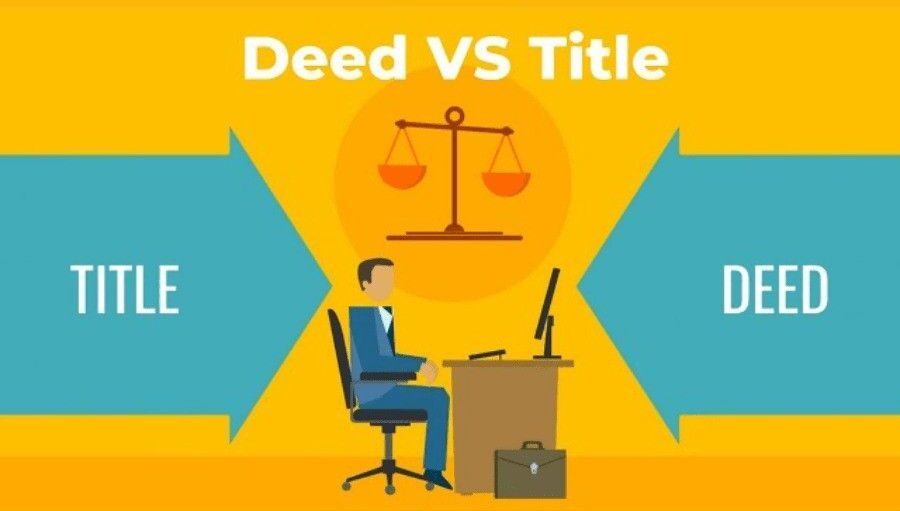
The confusion around deed vs title usually stems from the terms being used interchangeably. However, they represent two different parts of ownership.
What is a deed
A deed is a physical legal document. It proves that ownership has been transferred from one party to another.
It includes:
- Names of buyer and seller
- Property description
- Signatures and notarization
Think of it as the “receipt” of the transaction. Without it, the transfer is not legally recorded, and issues like pricing accuracy or ownership verification often connect back to concepts like property valuation methods, such as CMA real estate meaning.
What is a title
A title isn’t a document—it’s a legal concept. It represents the actual ownership rights to a property.
When you hold the title, you have the right to:
- Use the property
- Sell or transfer it
- Take legal action regarding ownership
This distinction becomes clearer when comparing a title vs deed. One proves transfer; the other defines ownership.
Why confusion happens (title vs deed explained simply)
Most people don’t deal with property documents regularly. During a closing, they sign paperwork quickly, often without noticing the difference.
A simple way to remember:
- Deed = proof of transfer
- Title = ownership rights
Understanding this avoids confusion when reviewing contracts or resolving disputes.
Property Title vs Deed: Legal Ownership Explained

The phrase “property title vs deed” often comes up when buying or selling. Knowing how they work together helps prevent legal surprises.
Who actually owns the property
Ownership depends on the title, not just the deed. Buyers should also compare property records and market information, including recently sold homes, to understand the broader history of a property before purchasing. A deed transfers ownership, but the title must be clear.
A “clear title” means:
- No unpaid liens
- No ownership disputes
- No unresolved claims
Without a clear title, ownership is legally uncertain—even if you have a signed deed.
What happens during transfer
During a property transfer:
- Seller signs the deed
- Buyer receives the deed
- The deed is recorded with the local authorities
- The title is updated to reflect new ownership
These steps usually happen after a property moves through under contract vs pending stages such as inspection, financing, and final approval.
However, issues arise if the title has hidden problems. This is why buyers often perform checks before completing a transaction.
Quit Claim Deed Loopholes and Risks

A quit claim deed is one of the simplest ways to transfer property—but also one of the riskiest.
When they are used
Quit-claim deeds are commonly used for:
- Transferring property between family members
- Divorce settlements
- Adding or removing someone from ownership
They’re fast and inexpensive, which makes them appealing.
Common mistakes and risks
The problem lies in what they don’t guarantee.
Key risks include:
- No warranty of ownership
- Existing liens may remain
- Unknown claims can surface later
These gaps create potential quit-claim deed vs title loopholes that many people overlook.
Real-world example of misuse
Consider a case where one partner transfers property to another after separation. Years later, a previous mortgage surfaces that was never cleared. The new owner becomes responsible—even though they didn’t create the debt.
This highlights why understanding legal documentation is essential before signing anything.
How to Do a Title Search Step-by-Step
Before buying property, learning how to do a title search can save you from costly surprises.
Where to find records
Title records are typically available at:
- County recorder’s office
- Land registry databases
- Online public record systems
Many regions now offer digital access, making searches easier.
What to look for (liens, claims, errors)
A proper title search checks for:
- Outstanding mortgages
- Tax liens
- Easements or shared access rights
- Clerical errors in ownership records
Even small discrepancies can delay a sale or create legal complications.
When to hire a professional
While basic checks are possible, complex cases require experts.
Consider hiring:
- A title company
- A real estate attorney
They can identify issues that aren’t obvious to first-time buyers.
How to Find My Property Line Accurately

Boundary disputes are more common than most homeowners expect. Knowing how to find my property line helps prevent conflicts with neighbors.
Using surveys and maps
The most reliable method is a property survey.
A survey includes:
- Exact boundary measurements
- Property corners
- Structures and encroachments
If your home purchase included a survey, review it carefully.
Online tools and county records
If you’re wondering how to find your property line without hiring someone, start with:
- County GIS maps
- Property tax records
- Plat maps
These provide a general idea, though they may not be precise.
Official land documents such as a plat can provide additional information about property boundaries, lot divisions, and recorded measurements.
Hiring a surveyor vs DIY
DIY methods can work for basic understanding. However, for legal disputes or construction projects, accuracy matters.
Hiring a licensed surveyor ensures:
- Legal validity
- Accurate measurements
- Protection against disputes
Legal Risks Homeowners Often Miss

Many ownership problems don’t show up immediately. They develop over time.
Common overlooked risks include:
- Undisclosed liens
- Boundary encroachments
- Errors in public records
- Incomplete transfers
For example, a homeowner might build a fence assuming the boundary is correct, only to discover later that part of it sits on a neighbor’s land.
These issues often cost more to fix than they would have to prevent.
Step-by-Step Checklist Before Buying or Transferring Property

A structured approach reduces risk and confusion.
1: Verify ownership
- Confirm seller’s legal right to transfer property
2: Review the deed
- Check names, legal description, and signatures
3: Conduct a title search
- Look for liens or claims
4: Confirm boundaries
- Use surveys or official maps
5: Consult professionals
- In complex cases, get legal advice
Following these steps ensures that ownership is clear and protected.
Buyers should also understand all financial responsibilities before signing final documents, including fees and expenses involved during closing costs.
Common Mistakes to Avoid

Even experienced buyers make errors. Avoid these:
1. Assuming the deed guarantees ownership
A deed alone doesn’t ensure a clean title.
2. Skipping a title search
This is one of the biggest risks in property transactions.
3. Ignoring boundary details
Small mistakes can lead to legal disputes.
4. Misusing quit-claim deeds
They’re not suitable for all situations.
5. Rushing the process
Taking time to verify documents prevents future problems.
Tips to Protect Your Property Ownership

Protecting ownership doesn’t require complex strategies. It requires consistency.
Keeping accurate ownership records can also make future transactions easier, especially when calculating potential capital gains tax obligations after selling a property.
- Keep copies of all legal documents
- Record deeds promptly
- Monitor property records periodically
- Address issues early
Additionally, consider title insurance. It protects against hidden problems that may not appear during initial checks.
FAQ
What is the difference between a deed vs title?
A deed is a document that transfers ownership, while a title represents the legal ownership itself.
Is a quit-claim deed vs title safe?
It can be safe in limited situations, such as transfers between trusted parties. However, it offers no guarantees about ownership or existing claims.
How do I verify property ownership?
You can verify ownership through public records, title searches, or by consulting a professional.
How do I find my property boundaries legally?
Use a licensed surveyor or official land records. Online tools provide estimates but may not be legally accurate.
Can title issues delay selling a home?
Yes. Any unresolved claims, liens, or ownership disputes must be cleared before a sale can proceed.
Conclusion
Property ownership isn’t just about signing paperwork. It’s about understanding what those documents represent and how they protect—or fail to protect—your rights.
The difference between deed vs title plays a central role in every real estate transaction. Overlooking it can lead to disputes, financial loss, or delayed sales.
The smartest approach is straightforward:
- Verify ownership before buying
- Check for hidden risks
- Confirm boundaries accurately
When you take these steps early, you avoid expensive problems later. A well-informed decision today ensures your property remains secure, transferable, and valuable in the future.