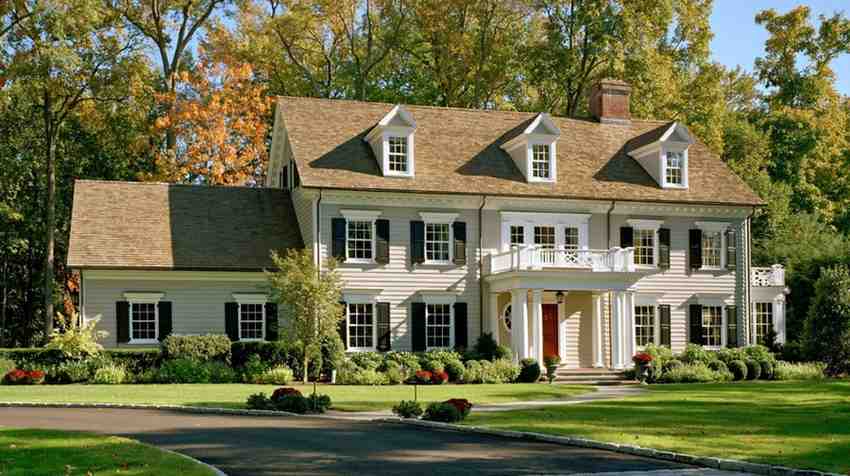
Georgian Colonial Walk through a well-preserved 18th-century house in Virginia or Massachusetts, and you’ll notice something unusual right away: everything feels balanced. Windows line up perfectly. The front door sits exactly at the centre. Even the roof seems to follow a quiet sense of order. That visual discipline is not accidental—it’s the defining signature of Georgian colonial architecture, a style that continues to influence how homes are built and renovated today.
This guide breaks down what makes this architectural style distinct, why it still appeals to homeowners, and how modern features like rooftop living spaces can be integrated without losing its character.
Table of Contents
ToggleWhat Is Georgian Colonial Architecture

The term Georgian colonial refers to a style that developed during the reigns of British monarchs from George I to George IV (1714–1830). It spread widely across the American colonies, shaping many of the early homes that still stand today.
Origins and Historical Context
This design approach draws heavily from classical Greek and Roman architecture. Builders emphasized proportion, symmetry, and restraint rather than decoration-heavy styles seen later in Victorian homes.
In early America, this style became a standard for wealthy households. Materials varied by location—brick in the South, wood in New England—but the layout principles remained consistent.
Core Philosophy
At its core, the style values:
- Balance over excess
- Geometry over randomness
- Function wrapped in elegance
This is why even centuries-old homes still feel visually pleasing—they follow proportions that humans naturally respond to.
Key Features Of Georgian Colonial Homes

To recognize a Georgian colonial home, you don’t need technical training. The features are distinct and consistent.
Symmetrical Layout
The most noticeable characteristic is symmetry.
- Front doors are centered
- Windows are evenly spaced
- Rooflines are balanced
If you draw a line down the middle of the house, both sides typically mirror each other.
Multi-Pane Windows
Traditional homes often include:
- 9-over-9 or 12-over-12 window panes
- Uniform spacing
- Decorative shutters
These windows are not just aesthetic—they maximize natural light while maintaining structural integrity.
Central Hallway Plan
Inside, most homes follow a central hallway layout.
- Rooms are placed on either side
- Staircases are often positioned in the center
- Clear navigation improves functionality
This layout is still widely used in modern home design because it’s practical and intuitive. Many 1500 sq ft house blueprints continue to use similar floor plan principles while adapting them for modern lifestyles.
Brick or Wood Construction
Materials vary by region:
- Brick homes dominate in southern areas
- Wooden clapboard siding is common in colder climates
Regardless of material, the exterior maintains clean lines and minimal ornamentation.
Why This Style Is Still Popular Today

Despite being over 200 years old, the Georgian colonial style continues to attract buyers, architects, and developers.
Timeless Visual Appeal
Symmetry doesn’t go out of fashion. It creates a sense of order that feels calm and structured.
In real estate listings, homes with balanced facades often photograph better, which directly impacts buyer interest.
Adaptability
While the exterior remains traditional, interiors can be easily modernized.
- Open kitchens can replace older layouts, while refinishing hardwood floors is another popular upgrade that preserves the home’s traditional character without sacrificing modern appeal
- Smart home features can be added without structural disruption
- Energy-efficient windows can mimic traditional designs in Georgian colonial
This flexibility allows homeowners to preserve the look while upgrading the function.
Strong Resale Value
Homes built in this style tend to maintain value over time.
Buyers often associate this architecture with:
- Stability
- Heritage
- Quality construction
That perception translates into higher demand in many markets. Investing in major capital improvements can further preserve both the character and resale value of historic-style homes.
Modern Adaptations: Blending Tradition With Rooftop Design

One of the most interesting shifts in recent years is how classic homes are being adapted for modern lifestyles. This includes integrating outdoor living spaces at higher levels.
Incorporating Design on Rooftop Spaces
Adding a design on a rooftop feature to a traditionally structured home requires careful planning, especially when considering how modern refinishing of hardwood floors and interiors.
Because the original style emphasizes symmetry and proportion, any rooftop addition must respect those elements.
Common Rooftop Additions
- Flat terrace seating areas
- Garden decks with low-profile planters
- Outdoor dining spaces
- Solar panel installations
The goal is to enhance usability without disrupting the visual balance.
Structural Considerations

Older homes were not originally built to support rooftop usage.
Before adding a design to a rooftop feature, homeowners should:
- Reinforce structural beams
- Check load-bearing capacity
- Ensure proper waterproofing
Skipping these steps can lead to long-term damage.
Maintaining Architectural Integrity
Modern additions should blend in rather than stand out.
Tips include:
- Use neutral materials that match the exterior
- Keep railings minimal and unobtrusive
- Avoid bulky structures that break symmetry in Georgian colonial
When done correctly, a rooftop space can feel like a natural extension of the home rather than an afterthought.
Pros And Cons Of Georgian Colonial
Like any architectural style, this one comes with advantages and limitations.
Advantages
1. Predictable Layouts
Rooms are arranged logically, making planning and furnishing easier.
2. Strong Aesthetic Identity
The design is instantly recognizable and widely appreciated.
3. Long-Term Durability
Many original homes have lasted centuries, proving structural reliability.
4. Flexibility for Upgrades
Modern systems can be integrated without altering the overall look.
Disadvantages
1. Limited Open Spaces
Traditional layouts can feel compartmentalized compared to modern open plans.
2. Renovation Complexity
Preserving symmetry during renovations can be challenging.
3. Higher Maintenance Costs
Older materials and detailing may require specialized repairs.
4. Rooftop Limitations
Adding a design to the rooftop feature may require significant structural upgrades.
Cost And Practical Considerations

Understanding costs helps set realistic expectations.
Construction Costs
Building a new home in this style can cost:
- $150 to $300 per square foot (varies by region)
- Higher costs for brick exteriors and detailed finishes
Building a new home in this style can cost significant amounts, and understanding the cost per square foot to build a house helps homeowners create a realistic construction budget.
Custom symmetry often increases labor expenses.
Renovation Costs
Updating an existing home may involve:
- Structural reinforcement: $10,000–$50,000
- Window replacement: $500–$1,200 per window
- Roof modifications for terrace use: $15,000+
Updating an existing home may involve multiple structural improvements, so using a home addition cost calculator can help estimate renovation expenses before work begins.
Adding a design to the rooftop area increases both structural and waterproofing costs.
Energy Efficiency Upgrades
Older homes often lack insulation.
Common upgrades include:
- Double-glazed windows
- Roof insulation
- HVAC system modernization is one of the most valuable upgrades in older homes, and choosing the right HVAC system can improve both comfort and long-term energy efficiency
These changes improve comfort while also reducing energy bills.
Design Tips For Homeowners
Whether you’re building or renovating, these tips can help maintain authenticity while improving functionality.
Respect Symmetry
Even small changes can disrupt the balance.
- Align new windows with existing ones
- Keep door placements centered in Georgian Colonial
- Maintain proportional spacing
Blend Old and New Materials
Mixing materials can work if done carefully.
- Pair brick exteriors with modern glass interiors
- Use wood accents to soften rigid lines
Plan Rooftop Spaces Carefully
If you’re adding a design to the rooftop area:
- Keep furniture low-profile
- Use neutral tones
- Avoid clutter
This, in turn, ensures the rooftop doesn’t overpower the structure.
Focus on Lighting
Traditional homes benefit from layered lighting.
- Wall sconces for ambiance
- Chandeliers for central spaces
- Recessed lighting for modern functionality
Common Mistakes To Avoid

Even experienced homeowners make avoidable errors when working with this style. Proper planning home repairs before starting any renovation can prevent costly mistakes and preserve the home’s original character.
Ignoring Proportions
However, adding features without considering scale can ruin the aesthetic.
For example, oversized windows or uneven extensions can disrupt visual balance.
Overdecorating
This style thrives on restraint.
Avoid:
- Excessive trim
- Bold, clashing colors
- Overly ornate fixtures
Poor Rooftop Integration
A poorly planned design on a rooftop addition can:
- Look disconnected from the house
- Cause structural stress
- Lead to water leakage
Always consult structural experts before proceeding.
Skipping Inspections
Older homes may have hidden issues.
- Foundation cracks aren’t the only hidden concern in older homes. Knob and tube wiring is another issue that homeowners should inspect before beginning renovation work
- Outdated wiring is common in historic properties, and rewiring an older house is often necessary to improve both safety and code compliance before major renovations
- Roof damage
Ignoring these can increase renovation costs later.
FAQ Section
1. What defines a Georgian colonial home?
A Georgian colonial home is defined by symmetry, balanced proportions, and classical design elements such as evenly spaced windows and a centered entrance.
2. Can modern interiors fit within this style?
Yes. Interiors can be updated with open layouts, modern kitchens, and smart systems while maintaining the traditional exterior.
3. Is it expensive to build a home in this style?
Costs can be higher due to precise symmetry and detailed construction, but long-term value often justifies the investment.
4. Can I add a rooftop terrace to this type of house?
Yes, but adding a design on a rooftop feature on a Georgian colonial requires structural reinforcement and careful design to maintain visual balance.
5. Are these homes energy efficient?
Older homes may not be, but upgrades like insulation and modern windows can significantly improve efficiency.
6. What materials are commonly used?
However, brick and wood are the most common, depending on the region and climate.
7. Does this style work for small homes?
Yes, even compact homes can adopt symmetrical layouts and proportional design principles to achieve a similar aesthetic.
Conclusion
The lasting appeal of this architectural approach lies in its discipline. Instead, it doesn’t rely on trends or flashy elements. Instead, it follows a clear set of principles—balance, proportion, and simplicity—that continue to resonate with homeowners.
Modern additions, including thoughtful rooftop spaces, show that even centuries-old designs can evolve. Comparing different home styles can also help homeowners decide which architectural features best fit their lifestyle and budget. The key is respecting the original structure while adapting it to current needs.
When done right, the result isn’t just a house—it’s a design that feels grounded, functional, and enduring.